![Takeru Eye Clinic | Takatori Shopping Street, Sawara-ku, Fukuoka City [Nishijin Station / Fujisaki Station]](https://takeru-eye.com/wp-content/uploads/2022/10/takeru_logo_for-WP-header.png)
[An easy-to-visit setting for children and careful testing]
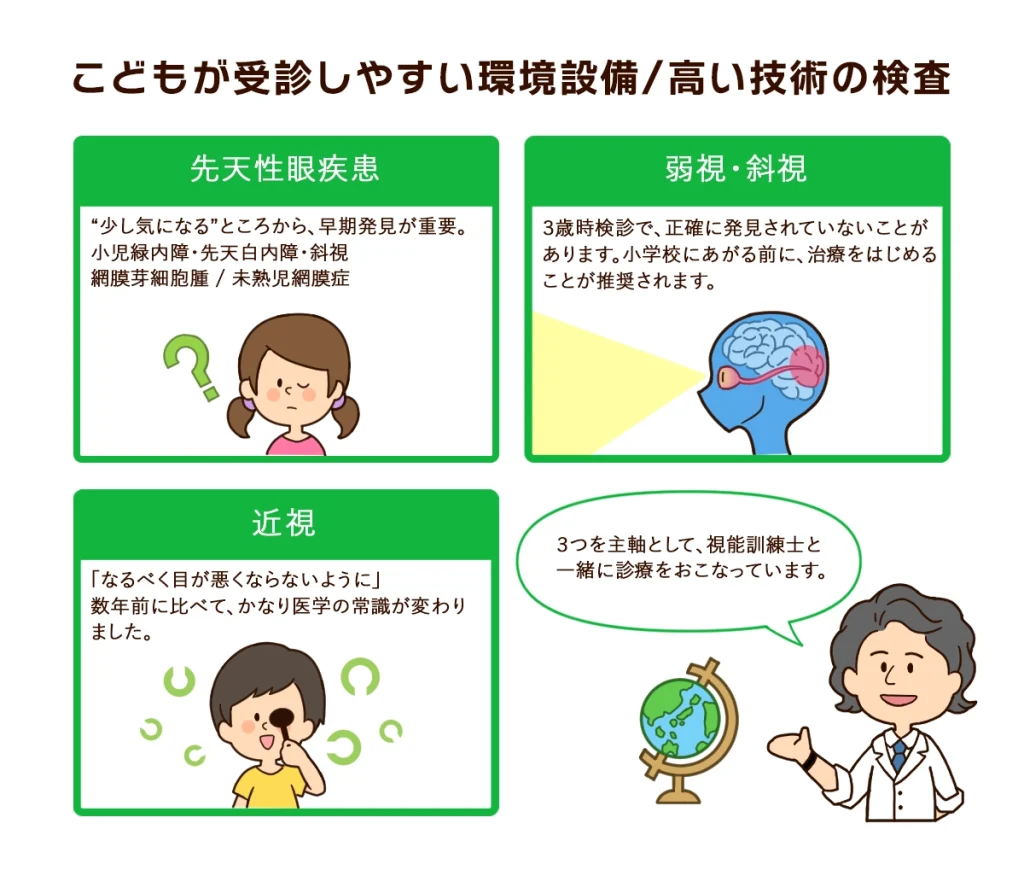
Together with a full-timeorthoptist, we provide eye care for children (pediatric ophthalmology) every day.
We focus on the following three areas:
○ Congenital eye diseases
Early detection matters, starting from the point where something seems “a little off.”
Pediatric glaucoma, congenital cataract, strabismus, retinoblastoma, and retinopathy of prematurity
○ Amblyopia and strabismus
These are sometimes not detected accurately at the 3-year-old checkup.
We recommend starting treatment before entering elementary school.
(school entrance checkup)
○ Myopia
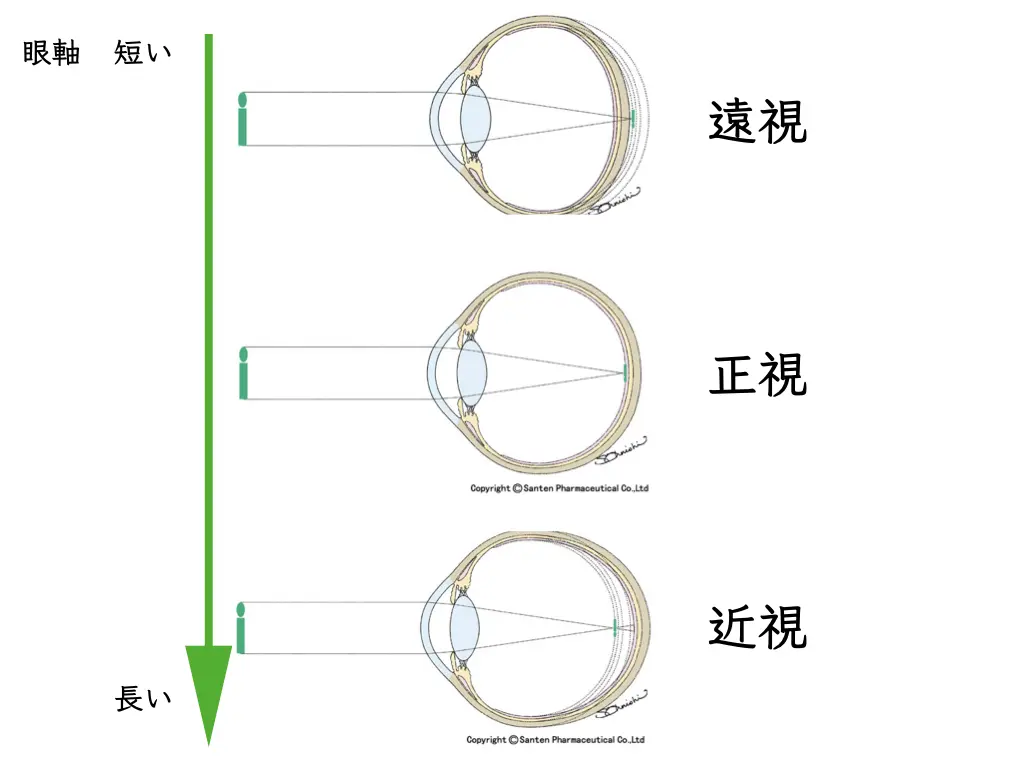
“Keeping eyesight from getting worse if at all possible”: medical common sense has changed considerably compared with a few years ago.
→Myopia control (prevention)
If you have any concerns about testing small children, please contact us directly byLINE message.

Home vision test for the 3-year-old checkup (video by the Japanese Orthoptic Association; in Japanese)
This video explains the home vision test performed for the 3-year-old checkup. It covers preparing the environment and the tools needed, and guides parents on how to test their child’s vision. The key point is to cover one eye with tissue paper or tape so that the child looks at the chart from the specified distance. The result is judged by whether the child can see three or more directions, and repeating the test several times is recommended.
Don’t miss amblyopia (video by the Japan Ophthalmologists Association; 48 seconds; in Japanese)
Did you know? One in 50 children has amblyopia.
But most cases are missed at the 3-year-old checkup.
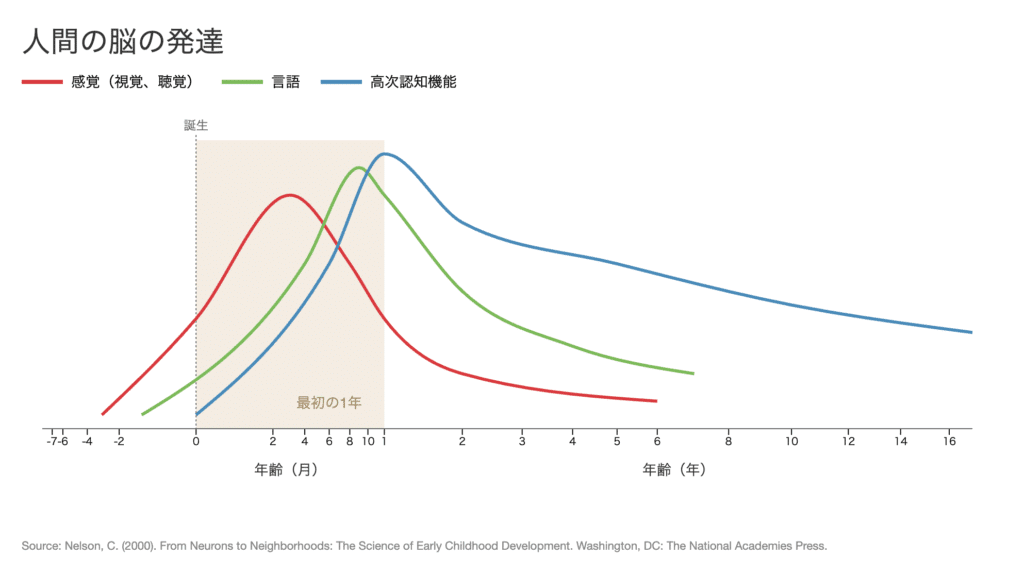
A child’s vision develops rapidly up to age 3,
and is complete by around age 6 to 8.
A major reason for missed cases is how hard the test is to do at home.
But amblyopia can be treated if it is found early.
A proper 3-year-old checkup for every child.
STOP! Missed amblyopia
Supervised by the Japan Ophthalmologists Association
Amblyopia
A newborn baby can perceive brightness and has vision of about 0.01, and the ability to see develops as the baby looks at many things.
Vision is thought to reach about 0.05 at 3 months and about 0.1 at 6 months.
It then develops rapidly, and by age 3 to 3.5, about 70% of children reach vision of about 1.0.
The ability to see in three dimensions with both eyes (stereopsis) is thought to be completed a little earlier, by age 2 to 3.
If an eye disease or injury during this period of visual development interferes with the opportunity to “see clearly,” the development of vision is delayed: “amblyopia”
・The size, shape, or position of the eyes looks abnormal
・The eyes shake
・The pupil looks white
・The gaze looks odd
・Sensitivity to glare
・Constant discharge or tearing
・The head is tilted
However, there are often no obvious symptoms.
A child with amblyopia in only one eye has no trouble in daily life, and the poor vision may be noticed only when the child dislikes having the good eye covered.
To find eye abnormalities in children early, the3-year-old checkupis very important.
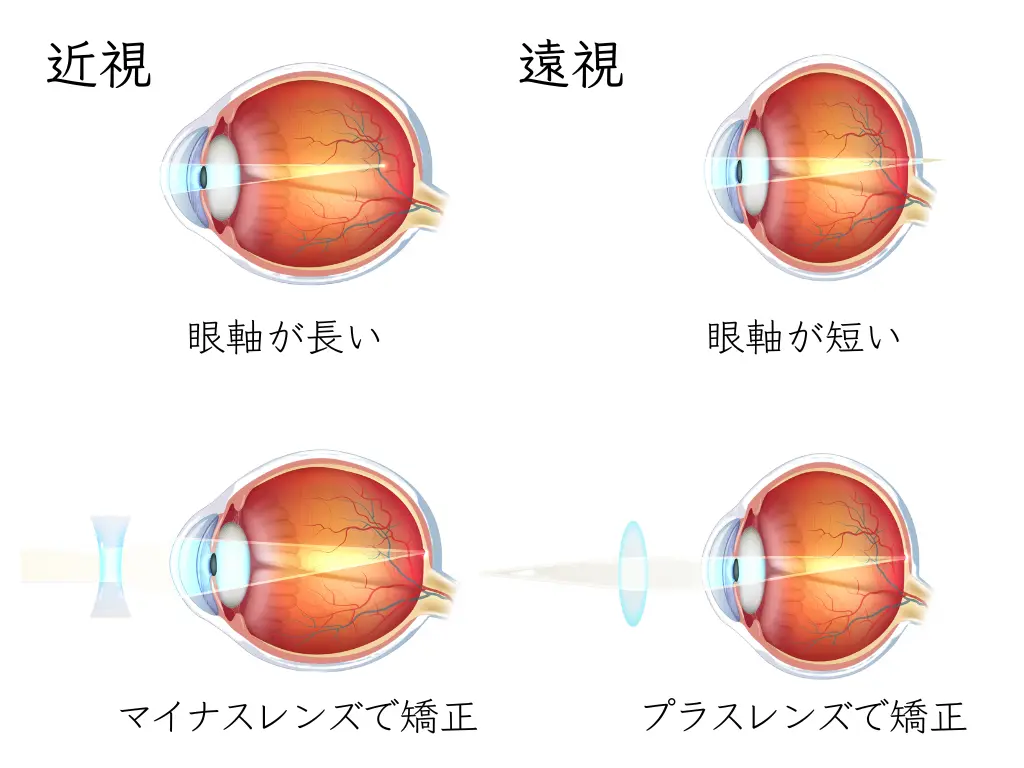
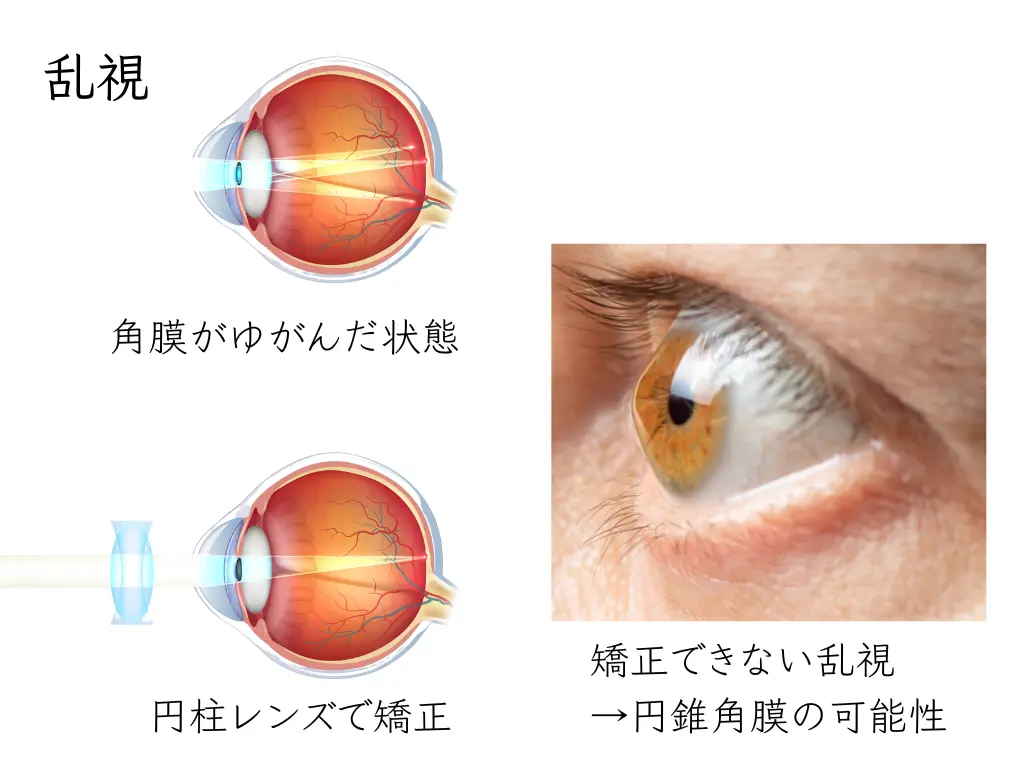
To know the accurate refractive error, the eye clinic performs the exam with a cycloplegic drug (atropine) as needed.
For amblyopia caused by refractive error and for accommodative esotropia, it is important to wear treatment glasses every day.
* Amblyopia glasses prescribed by an ophthalmologist are eligible for the medical expense deduction.
We may also cover the better eye with an eye patch to create time for using the weaker eye.
We provide care in cooperation with a full-timeorthoptist.
To test carefully and reliably, we may ask you to visit several times.
Thank you for your understanding.

