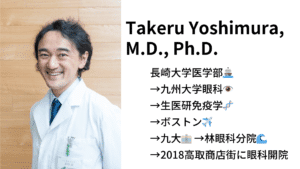
Here is an introduction from this month’s Nature Medicine.
(It contains no personal opinion.)
As of August 2021, this appears to be the most scientifically reliable information.
Choosing Wisely for COVID-19: ten evidence-based recommendations for patients and physicians
“Choosing Wisely” for COVID-19: 10 “Wise Choices” with strong scientific evidence
Most importantly, this list emphasizes the critical role that evidence-based medicine should serve, even during a raging pandemic.
Most importantly, this list highlights the important role that evidence-based medicine must play even during a raging pandemic.
Choosing Wisely refers to care that is
・supported by evidence (evidence based)
・not duplicative of other tests or procedures already received (not duplicative)
・free from harm (free from harm)
・truly necessary (truly necessary)
It is an initiative launched in 2012 by the American Board of Internal Medicine Foundation (ABIM).
This time, a Choosing Wisely group was formed for the coronavirus disease (COVID-19).
Choosing Wisely for COVID-19 Task Force
April 2021, 18 members:
chosen from public health, epidemiology, general medicine, primary care, infectious diseases, virology, critical care, internal medicine, pulmonology, pediatrics, oncology, health economics, clinical research, implementation science, and health policy.
* The multistakeholder approach (Cabinet Office)
https://www5.cao.go.jp/npc/sustainability/concept/index.html
“Choosing Wisely” for COVID-19: 10 “Wise Choices” with strong scientific evidence

The following is a translation of the paper below.
Pramesh, C.S., Babu, G.R., Basu, J., Bhushan, I., Booth, C.M., Chinnaswamy, G., Guleria, R., Kalantri, S.P., Kang, G., Mohan, P., Mor, N., Pai, M., Prakash, M., Rupali, P., Sampathkumar, P., Sengar, M., Sullivan, R., Ranganathan, P., 2021. Choosing Wisely for COVID-19: ten evidence-based recommendations for patients and physicians. Nat Med 27, 1324–1327. https://doi.org/10.1038/s41591-021-01439-x
The Choosing Wisely recommendations on prevention, treatment, and appropriate control of COVID-19 incorporate the best evidence available at present.
They address practices that are common in the COVID-19 response in some countries but ineffective, of low value, or harmful.
All of the recommendations are based on robust scientific evidence and could improve the results of the global pandemic response.
For the general public:
(1) In public, use a well-fitting mask properly.
A systematic review and meta-analysis of 10 adjusted (n = 2,647) and 29 unadjusted (n = 10,170) observational studies
showed that face masks significantly reduce the risk of infection.
Adjusted studies: adjusted odds ratio (aOR) 0.15, 95% confidence interval (CI) 0.07–0.34,
Unadjusted studies: odds ratio (OR) 0.34, 95% CI 0.26–0.45
N95 masks were associated with a greater reduction in infection risk than surgical masks and other masks.
If it is not an N95 mask, two masks are preferable to one.
(2) Avoid crowds, and be especially careful of crowds indoors.
A systematic review and meta-analysis of 9 adjusted (n = 7,782) and 29 unadjusted (n = 10,736) observational studies
showed that keeping a physical distance of 1 meter or more significantly reduces the risk of infection.
Adjusted studies: aOR 0.18, 95% CI 0.09–0.38,
Unadjusted studies: OR 0.30, 95% CI 0.20–0.44
The greater the physical distance, the lower the likelihood of infection.
Keeping good ventilation by opening doors and windows is an important measure for reducing the spread of infection.
(3) If you have symptoms of COVID-19, get tested; if symptoms are mild, isolate at home.
If you have symptoms of COVID-19 such as fever, sore throat, cough, or loss of smell or taste,
it is desirable to get tested early and isolate at home.
A strategy of testing, tracing, and isolation becomes possible, which is effective in curbing further spread.
Even with these symptoms, if a reliable testing facility is not available, a syndromic diagnosis can be made.
Most patients can be managed at home and recover well with regular monitoring of body temperature and oxygen saturation.
The only interventions needed are keeping hydrated (drinking plenty of fluids) and acetaminophen (paracetamol) for fever and body aches.
(4) If you have difficulty breathing or your oxygen saturation drops to 92% or below, seek a doctor’s help.
Patients who are short of breath at rest or after exertion, patients with oxygen saturation below 92%, or patients whose oxygen saturation drops by 4% or more after an exercise testa should seek a doctor’s help.
Whether in hospital or outside it (such as home care), appropriate triage should be done so that medical care is received.
Lying on the stomach (prone position) can raise oxygen saturation.
a. Examples of exercise tests: a 1-minute sit-to-stand test or a 6-minute walk test.
(5) Even if you have had COVID-19 before, get vaccinated as soon as you become eligible.
Several randomized trials have demonstrated the efficacy of the various approved vaccines
in preventing SARS-CoV-2 infection and severe illness and death from COVID-19.
As a population-level strategy, vaccination is extremely effective for preventing and mitigating COVID-19.
This recommendation applies even to people who have had COVID-19 before.
For healthcare professionals:
(6) Do not prescribe unproven or ineffective treatments for COVID-19.
At present there are no data supporting the use of favipiravir, ivermectin, azithromycin, doxycycline, oseltamivir, lopinavir/ritonavir, hydroxychloroquine, itolizumab, bevacizumab, IFN-α2b, fluvoxamine, convalescent plasma, or Kampo (traditional herbal) preparations in the treatment of COVID-19.
None of the above is currently recommended by the WHO.
This list should be revised as new evidence emerges.
(7) Do not use drugs such as remdesivir and tocilizumab except in the specific circumstances where they can be used.
Tocilizumab (anti-IL-6 antibody) is useful only in patients who are severely ill and receiving steroids, who show signs of inflammation, or whose oxygen requirement is rapidly increasing.
Its use in other clinical situations is not beneficial and is probably harmful.
When given early to adults needing oxygen, remdesivir shortened the time to recovery slightly in some trials but showed no such effect in others.
It does not lower mortality and is not indicated in other clinical situations.
(8) Use steroids carefully, only in patients with hypoxemia, and monitor to keep blood glucose within the normal range.
Randomized trials have shown that short courses (5–10 days) of steroids such as dexamethasone (6 mg a day) are effective in COVID-19 patients who need oxygen.
The more severely ill the patient, the greater the benefit.
Other steroid equivalents, such as methylprednisolone (16 mg twice a day) or prednisolone (20 mg twice a day), may also be used.
Steroids are not beneficial in patients who do not need oxygen and may even be harmful.
There are no data supporting the use of steroids for a long time (10 days or more) or at high doses.
In patients on steroids, keeping blood glucose under control is important to reduce the risk of secondary fungal infections such as mucormycosis.
After 5–10 days of steroids, there is no need to taper them.
(9) Do not routinely perform tests that do not guide treatment, such as CT scans and inflammatory biomarkers.
There are no data supporting the routine use of chest CT scans, CT scores, or inflammatory biomarkers such as ferritin, IL-6, LDH, and procalcitonin to assess the severity of COVID-19 or to guide treatment protocols.
(10) Management of important diseases other than COVID-19 should not be neglected even during a pandemic
Many studies show that care for diseases such as cancer, tuberculosis, heart disease, and kidney disease, as well as mental health, childbirth, perinatal care, and childhood vaccinations, was often compromised during the pandemic.
This has also had serious effects on later outcomes.
Essential medical services should continue to be provided even when a pandemic occurs.
For example, it is estimated that if cancer treatment were suspended during a pandemic, cancer deaths would exceed COVID-19 deaths.
References (Nat Med 27, 1324–1327. )
- Choosing Wisely. https://www.choosingwisely.org/our-mission/ (accessed 20 May 2021).
- Choosing Wisely Campaigns. Choosing Wisely https:// choosingwiselycanada.org/perspective/cw-covid-19/ (accessed 25 April 2021).
- Pramesh, C. S. et al. Lancet Oncol. 20, e218–e223 (2019).
- 4. Chu, D. K. et al. Lancet 395, 1973–1987 (2020).
- He, B. et al. R. Soc. Open Sci. 8, 201491 (2021).
- Directorate General of Health Services, Ministry of Health
and Family Welfare, Government of India.
https://www.dghs.gov.in/WriteReadData/News202105270436027770348ComprehensiveGuidelinesforManagementofCOVID-1927May2021DteGHS.pdf(accessed 9 June 2021). - National Institutes of Health. https://www.covid19treatmentguidelines.nih.gov/ (accessed 20 May 2021).
- McDonald, I. et al. Vaccines (Basel) 6, 74 (2021).
- Rochwerg, B. et al. Br. Med. J. 370, m3379 (2020).
- Ranganathan, P. et al. Lancet Oncol. https://doi.org/10.1016/S1470-2045(21)00240-0 (2021).