![Takeru Eye Clinic | Takatori Shopping Street, Sawara-ku, Fukuoka City [Nishijin Station / Fujisaki Station]](https://takeru-eye.com/wp-content/uploads/2022/10/takeru_logo_for-WP-header.png)

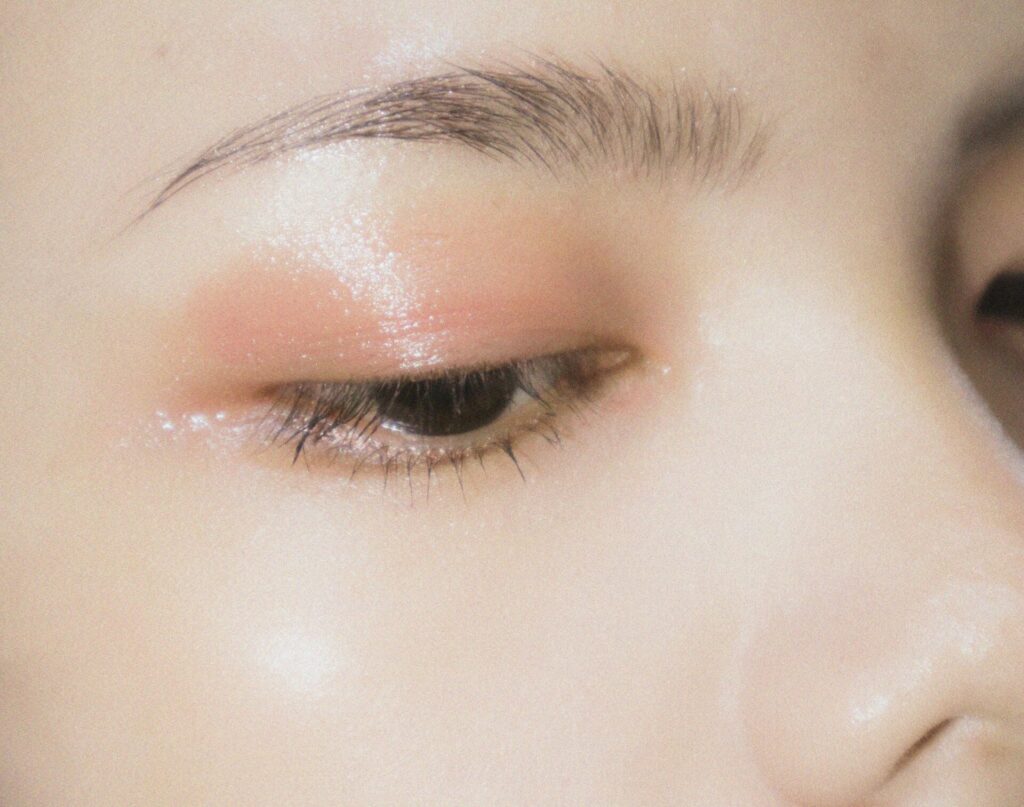
For beauty or massage purposes,
applying vibration, ultrasound, or light to the eyelids and the area around the eyes
can inflict irreversible damage on the eyes, such as cataract, uveitis, and retinal disease.
How Cosmetic Procedures Around the Eyelids Can Leave Serious Vision Loss
○ Traumatic cataract from applying a massage device to the eyes
○ Corneal opacity, optic nerve damage, and newly acquired myopia after high-intensity focused ultrasound (HIFU)
○ Uveitis and retinal disease after intense pulsed light (IPL)
Below, I introduce three methods and real cases of eye damage from cosmetic procedures (case reports), drawing on the references listed at the end.
Traumatic cataract from applying a massage device to the eyes
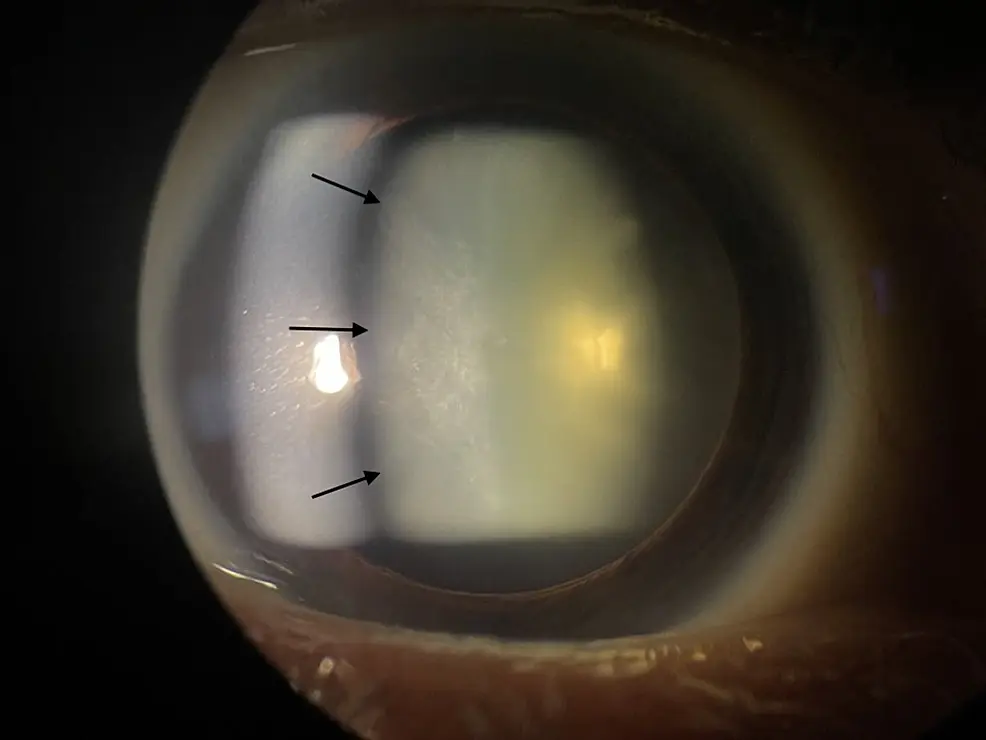
Traumatic cataract is a cataract that develops after an eye injury.
It is known that applying a massage device (an “eye massager” and the like) to the eyes can also cause traumatic cataract.
Two cases involving 25-year-old men: when their eyes were tired, one used a handheld electric massager directly on the eye area for several years, and the other for 2 weeks.
In both cases the cataracts were in both eyes, and no other cause could be identified.
The vibration from the massager was presumed to be the cause of the cataracts 1。
There have been several other reports of traumatic cataract from massager use 2,3。
None of these is thought to lead to blindness.
Even so, needing cataract surgery is a heavy burden.
Addendum:
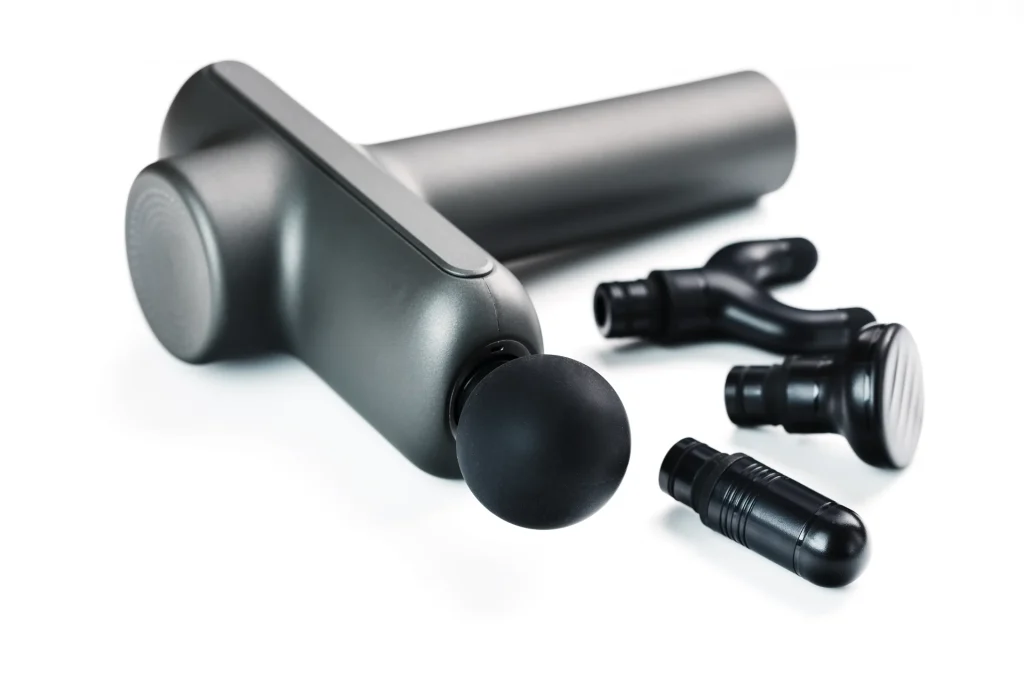
Cataract occurs when a relatively large “massage gun” is applied to the eyelid:
There appear to be no reports (records) so far of eye damage from “eye massagers.”
(No case of blindness from an eye massager has been reported.)
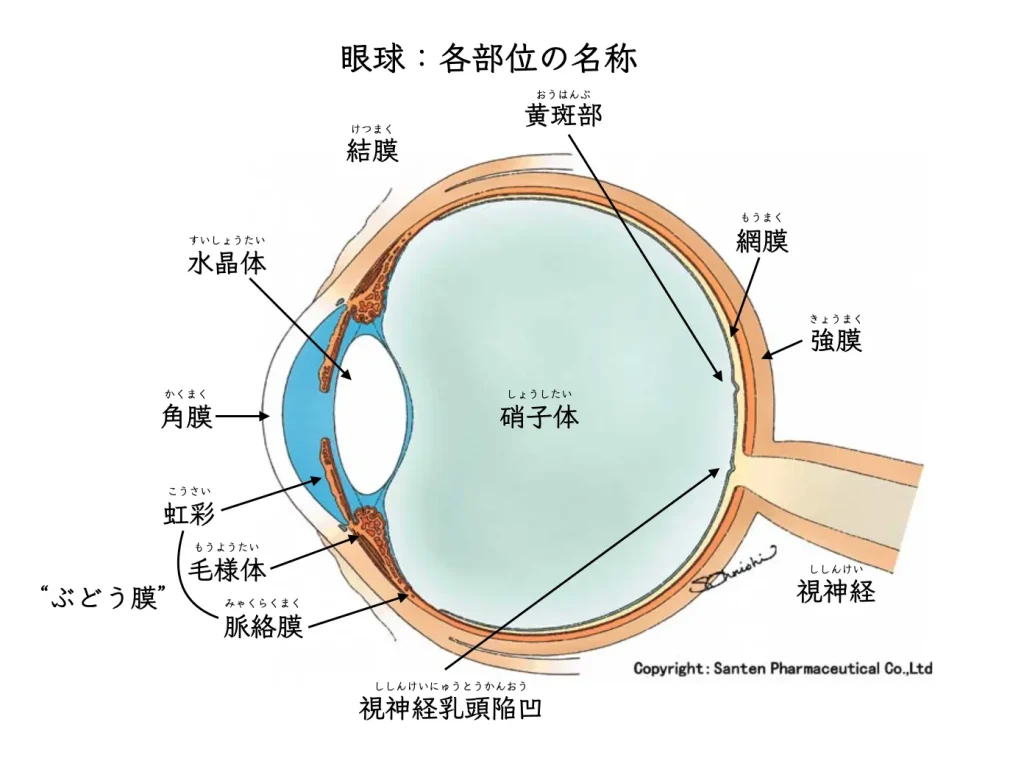
Even so, “eye massagers” that vibrate the eyes could have unexpected effects on the lens, vitreous, and retina.
Corneal stromal opacity, optic nerve damage, and newly acquired myopia after high-intensity focused ultrasound (HIFU)
Rejuvenating the eyelids is a major aim of cosmetic medicine.
HIFU (high-intensity focused ultrasound), which applies focused ultrasound to the skin, is said to make a “facelift without cutting” possible.
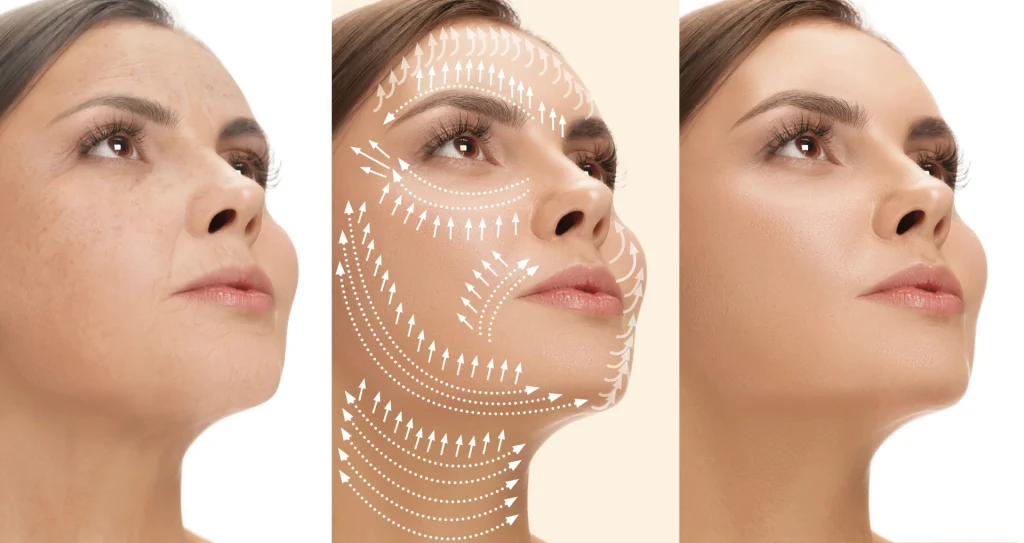
With HIFU applied to the face for “small-face treatment” or “skin-tightening effects,” reports keep appearing that ultrasound passing through the eyelid causes permanent damage to the eyeball.
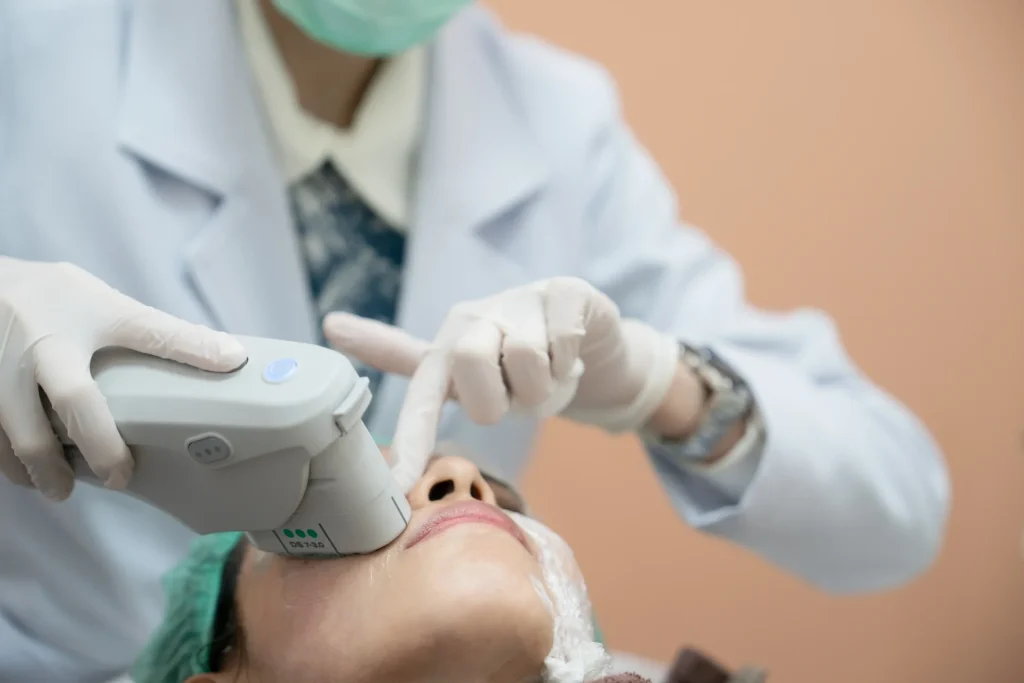
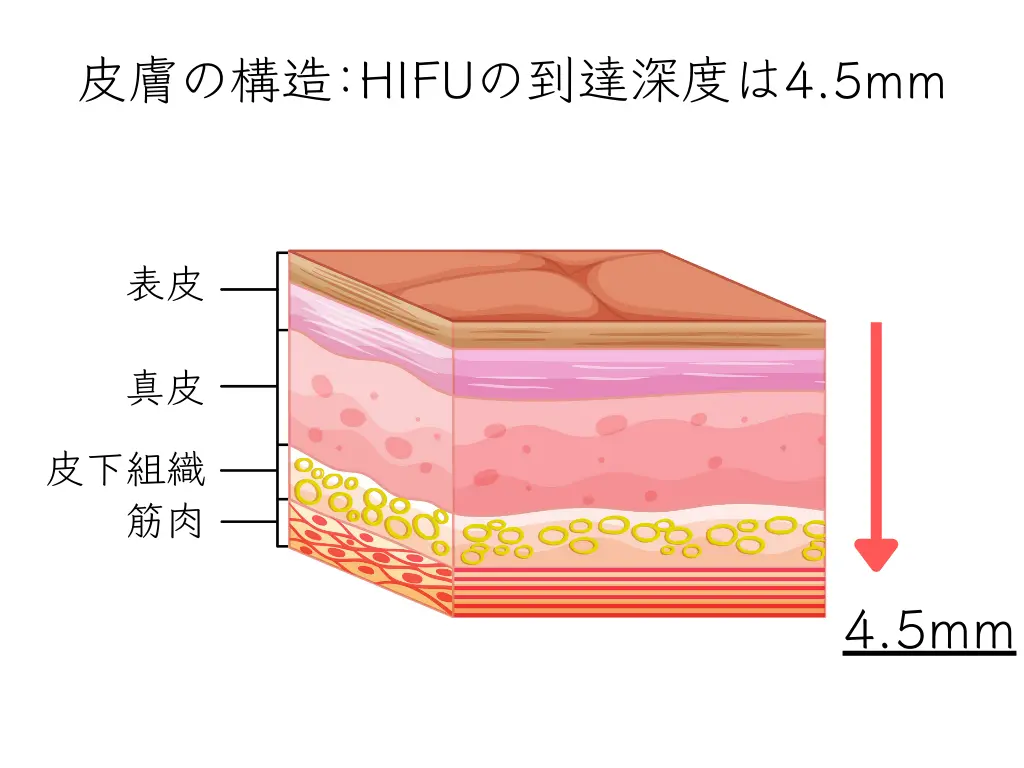
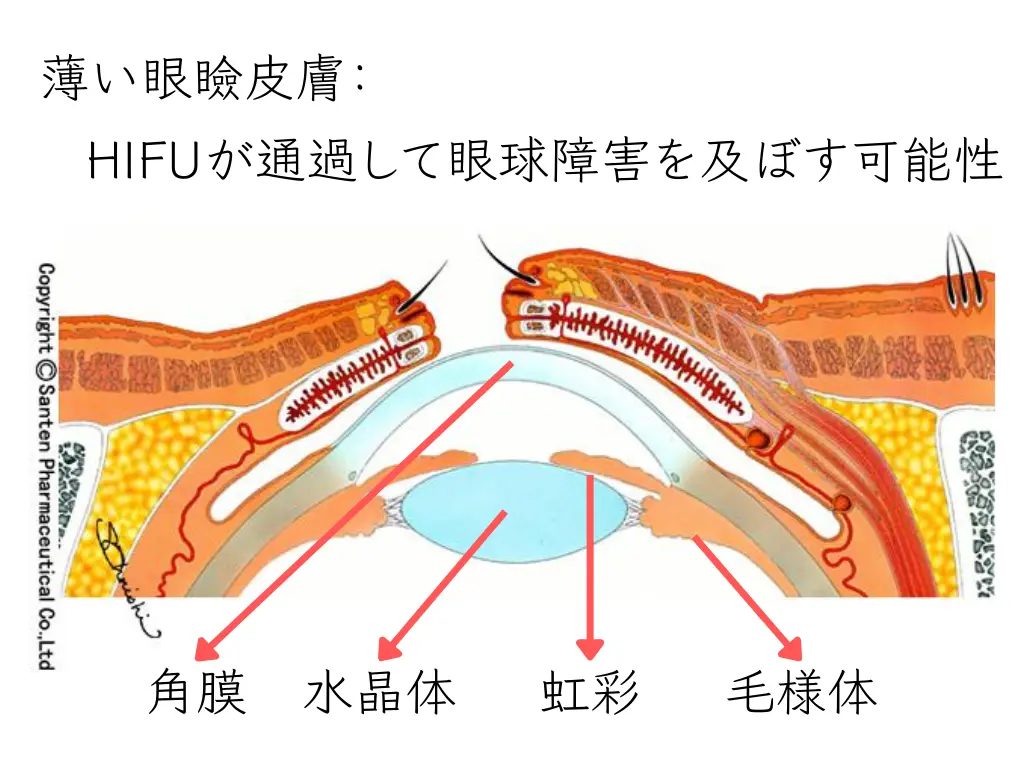
○ The eyelid has the thinnest skin in the body and little connective tissue, so it is difficult to aim precisely at the target of intense focused ultrasound (IFUS).
○ The eyeball and eyelids are very delicate tissues, so even minute damage can lead to clear symptoms.
○ During HIFU treatment, a device to protect the eyeball (the area around the eyes), including the cornea and conjunctiva, is essential.
(1) A healthy 32-year-old woman.
After a cosmetic procedure (HIFU) in which ultrasound was applied to the eyebrow area for rejuvenation,
she developed symptoms such as eye pain, glare, and blurred vision.
She had raised eye pressure (31 mmHg), reduced uncorrected vision (0.1), and loss of iris pigment (pigment from the iris came off inside the eye),
as well as mild dilation of the pupil and other findings suggesting optic nerve damage 4。
The report concludes that tissue damage from heat
✔ damaged the ciliary muscle (the muscle that focuses the eye) and caused myopia,
✔ damaged the iris and scattered iris pigment inside the eye,
✔ damaged the optic nerve and affected the pupil, and
✔ is likely to cause traumatic cataract later.
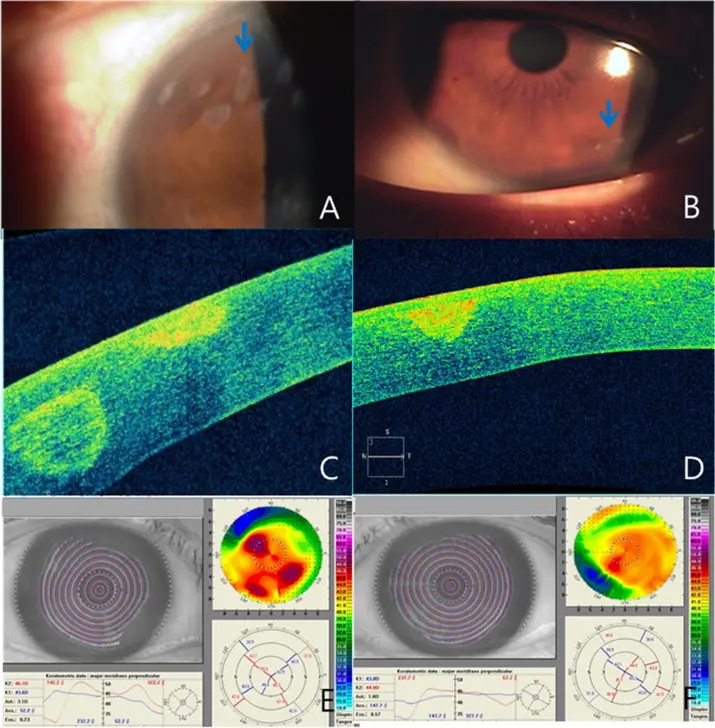
(2) A 50-year-old woman, 3 weeks after IFUS treatment.
She saw an eye doctor with “blurred vision.”
She had reduced uncorrected vision,
and corneal astigmatism and opacity beneath the corneal epithelium were found.
Corneal cross-section imaging (anterior segment OCT) showed marked opacity in the corneal stroma.
Steroid eye drops cleared the opacity, but the astigmatism remained 5。
The corneal stroma is a tissue rich in collagen.
In this case,
✔ coagulation of the collagen fibers made the collagen shrink overall, and
✔ inflammation caused the collagen to contract,
and the authors hypothesize that these two factors made the corneal tissue contract.
In addition,
(3) the eyebrow-lifting treatment (browlifting) approved by the FDA in 2009
is described,
along with a link between HIFU and traumatic cataract 6。
Uveitis and retinal disease after intense pulsed light (IPL)
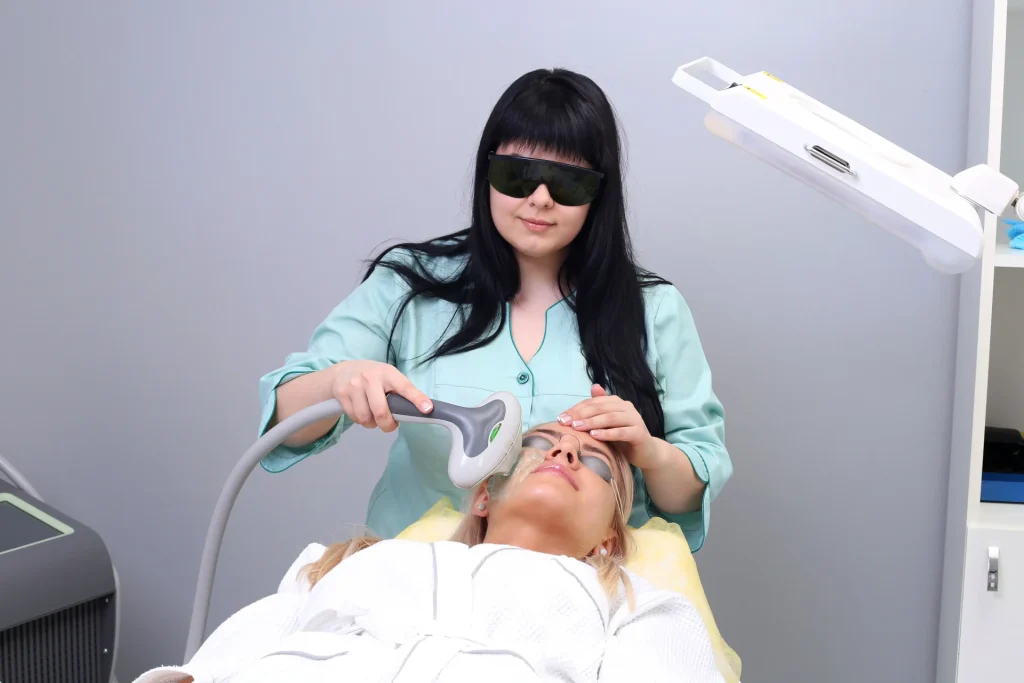
Intense pulsed light (IPL) is a treatment that uses wavelengths of light absorbed by pigment cells.
The light is absorbed in the deeper skin without affecting the surface, so skin damage is low.
For age spots, freckles, sunburn marks, birthmarks, varicose veins, purpura, rosacea, hair removal, and more,
it was first reported in 1996 and has been widely used for more than 20 years 7。
The light energy absorbed by pigment cells turns into heat.
○ The pigment of the iris inside the eye absorbs the same wavelengths of light as IPL.
○ As a result, IPL treatment can severely damage the iris.
○ The mistaken belief that “IPL is safe because it is not a laser” has led to eye injuries.
○ IPL treatment around the orbit (that is, near the eyeball) can permanently affect all the pigment-containing tissues of the eye.
(1) A 36-year-old woman.
One hour after IPL treatment of the face, she developed eye pain, a constricted pupil, and anterior uveitis.
The uveitis led to
• adhesion of the iris to the lens (posterior synechiae)
• persistent severe glare caused by iris atrophy
(2) A 27-year-old woman.
Three days after IPL treatment for spots and freckles on the eyelid, she noticed severe eye pain and reduced vision.
She had abnormal pupil reactions and anterior uveitis.
After two months of follow-up, the abnormal iris and pupil reactions remained.
Strong glare and eye pain were still present 8。
✔ Physicians and clinics offering cosmetic treatments need to be alerted, and appropriate protective equipment must be used to prevent eye damage.
(3) A 27-year-old woman who works for a medical device manufacturer.
After IPL treatment she developed choroidal neovascularization from retinal pigment epithelium damage, and is now being treated with intravitreal anti-VEGF antibody injections (injected directly into the eyeball) 9。
✔ Pigment is also present in the choroid and retina, so IPL can also cause serious retinal damage and vision loss.
IPL is marketed asphotofacialsand photo-aesthetic treatments,home hair removal devices(light-based beauty devices).
HIFU is marketed as“HIFU” (self-HIFU),and for the area around the eyes as “HIFU eye.”
Any of these can leave serious vision loss.
Including “self-aesthetic” treatments,
I believe great caution is needed when undergoing cosmetic medical procedures.
I wrote this after a patient asked me about it during today’s appointments.
(References)
1. Two cases of cataract thought to be caused by vibration stimulation from a massage device
Masayo Oshita 1 , Norio Usui 1 , Masahiko Usui 1
Rinsho Ganka (Japanese Journal of Clinical Ophthalmology), Vol. 56, No. 1 (January 2002)pp.45-48
2. Tang, J., Salzman, I.J., Sable, M.D., 2003. Traumatic cataract formation after vigorous ocular massage. Journal of Cataract & Refractive Surgery 29, 1641–1642. https://doi.org/10.1016/S0886-3350(03)00120-2
3. Khan, H., Kharsa, A., 2021. Massager-Induced Anterior Subcapsular Cataracts and Keratoconus in a Patient With Multiple Epiphyseal Dysplasia. Cureus 13. https://doi.org/10.7759/cureus.19095
4. Chen, Y., Shi, Z., Shen, Y., 2018. Eye damage due to cosmetic ultrasound treatment: a case report. BMC Ophthalmology 18, 214. https://doi.org/10.1186/s12886-018-0891-2
5. Kyung Jung, S., Yang, S.-W., Soo Kim, M., Chul Kim, E., 2015. Corneal stromal damage through the eyelid after tightening using intense focused ultrasound. Canadian Journal of Ophthalmology 50, e54–e57. https://doi.org/10.1016/j.jcjo.2015.04.010
6. Strauss, R.W., Bolz, M., 2020. Lens Opacity Following High-Intensity Focused Ultrasound. JAMA Ophthalmol 138, 215–216. https://doi.org/10.1001/jamaophthalmol.2019.4963
7. Goldberg, D.J., 2012. Current Trends in Intense Pulsed Light. J Clin Aesthet Dermatol 5, 45–53.
8. Lee, W.W., Murdock, J., Albini, T.A., O’Brien, T.P., Levine, M.L., 2011. Ocular Damage Secondary to Intense Pulse Light Therapy to the Face. Ophthalmic Plastic & Reconstructive Surgery 27, 263–265. https://doi.org/10.1097/IOP.0b013e31820c6e23
8. Chang, C.-Y., Sheu, S.-J., 2018. Choroidal Neovascularization Secondary to Intense Pulsed Light Injury. Ophthalmic Plast Reconstr Surg 34, e129–e131. https://doi.org/10.1097/IOP.0000000000001142
Hyaluronic acid injections in cosmetic medicine: blindness can occur even when the injection is not around the eyes.