![Takeru Eye Clinic | Takatori Shopping Street, Sawara-ku, Fukuoka City [Nishijin Station / Fujisaki Station]](https://takeru-eye.com/wp-content/uploads/2022/10/takeru_logo_for-WP-header.png)

The term “dry eye” may make you imagine “eyes that are dry because there are not enough tears.”
However, current knowledge in ophthalmology greatly overturns the common image of “dry eye.”
Surprisingly,
about 80% of patients diagnosed with dry eye actually have a normal amount of tears, or even more than normal.
Being diagnosed with “dry eye” even though the eyes are overflowing with tears—this seemingly contradictory phenomenon is due to a condition called “evaporative dry eye (EDE).”
“Evaporative dry eye (EDE)”: the heart of the problem is not the “quantity” of tears but their “quality.”
The root cause is dysfunction of the meibomian glands, small oil glands lined up along the edges of the eyelids; tears evaporate excessively, producing various kinds of eye discomfort.
In 2019, the concept of dry eye underwent a major paradigm shift*, and today “tear film instability” is at the center of diagnosis.
What matters is not “how many tears there are” but“how stable the tears are on the surface of the eye.”
The direction has changed greatly, from the traditional treatment of “increasing tears” to treatment that “improves tear quality”1.
*Paradigm shift: a fundamental, revolutionary change in a conventional way of thinking or conceptual framework.
Here it refers to the shift from the traditional concept of dry eye as a “condition of too few tears” to a new understanding of it as “a problem of tear film stability.”
This article explains, on a scientific basis, the truth about “dry eye without dryness” in modern ophthalmology and the current treatment approach centered on meibomian gland care.
I hope it helps those troubled by eye discomfort find the right understanding and ways to cope.
Paradigm Shift: From the “Quantity” to the “Quality” of Tears
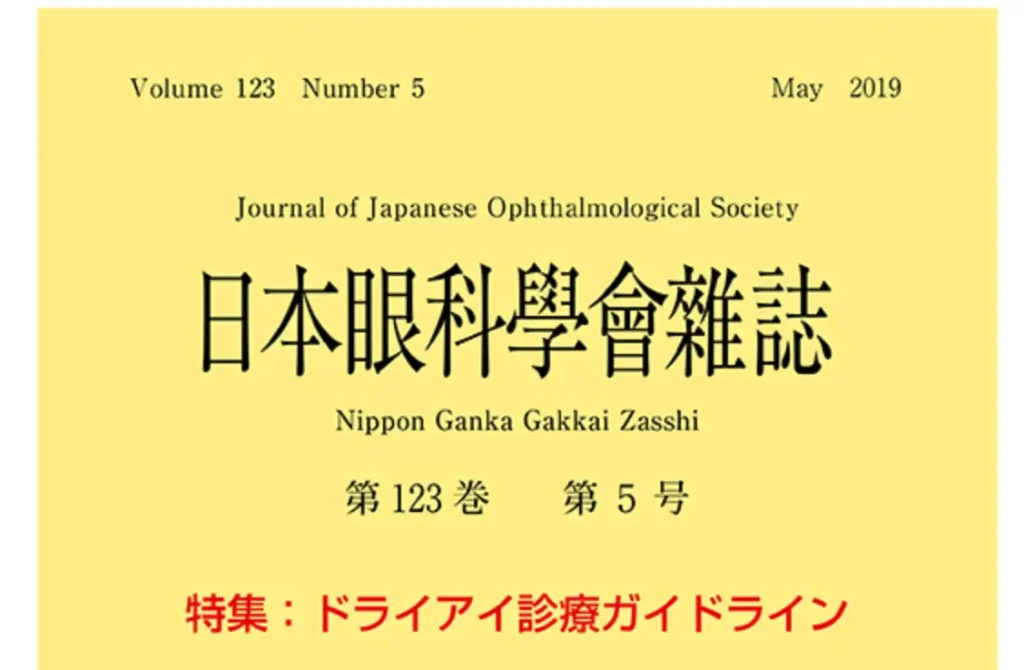
In 2019, the diagnostic criteria for dry eye changed revolutionarily.
The definition shifted from the traditional “disease of too few tears” to a “multifactorial disease characterized mainly by tear film instability.”
Behind this change was an accumulation of scientific evidence that the essence of dry eye is not simple lack of water but a qualitative problem of the tear film as a whole.
The Core of the New Dry Eye Diagnosis: Tear Film Break-Up Time (BUT)
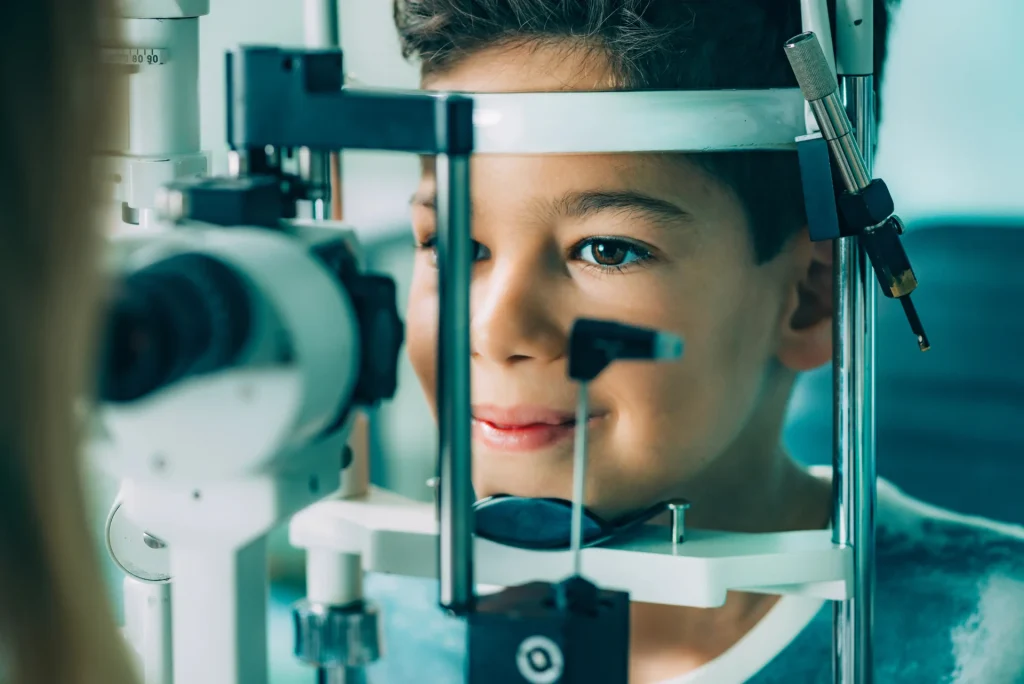
The index most emphasized in diagnosing dry eye today is tear film break-up time (BUT)2.
BUT measures, in seconds, the time from a blink until the first break (dry spot) appears in the tear film.
In a normal eye it stays intact for 10 seconds or more; in dry eye it shortens to 5 seconds or less.
This is a test that can be done right away in the examination room.
What matters is that
because the BUT test measures “tear stability,” it provides different information from tests such as the Schirmer test, which measure the “quantity of tears.”
Evaporative Dry Eye: A Condition Rapidly Increasing in Modern Society
In clinical ophthalmology, dry eye is broadly divided into two types: “aqueous-deficient dry eye (ADDE)” and “evaporative dry eye (EDE)”3.
The former is the traditional “too few tears” type, whereas the latter is the type in which “there are enough tears, but they evaporate easily.”
Evaporative dry eye is rapidly increasing in modern society, driven by factors such as reduced blinking from long hours of digital device use, living in air-conditioned environments, the spread of contact lenses, and population aging.
All of these are risk factors for meibomian gland dysfunction (MGD), which lowers tear quality.
Main symptoms of evaporative dry eye:
- Common dry eye symptoms: a dry feeling, a foreign-body sensation, eye fatigue, blurred vision, redness
- Characteristic tear abnormalities: a sensation of dryness even though tears overflow, reflex tearing, temporary relief after blinking
- Variation with time and environment: worse in the evening than in the morning, worse after using digital devices, worse in air-conditioned environments
- Eyelid-related findings: redness and swelling of the eyelid margin, dandruff-like debris at the base of the eyelashes (collarettes), increased eye discharge
- Effects on daily life: difficulty with long hours of computer work, contact lenses that used to be fine now feel uncomfortable, reduced work efficiency from eye discomfort
A treatment approach that focuses not only on the “quantity” but also on the “quality” of tears is important.
The Three-Layer Structure of the Tear Film: The Oil Layer Holds the Key to Stability
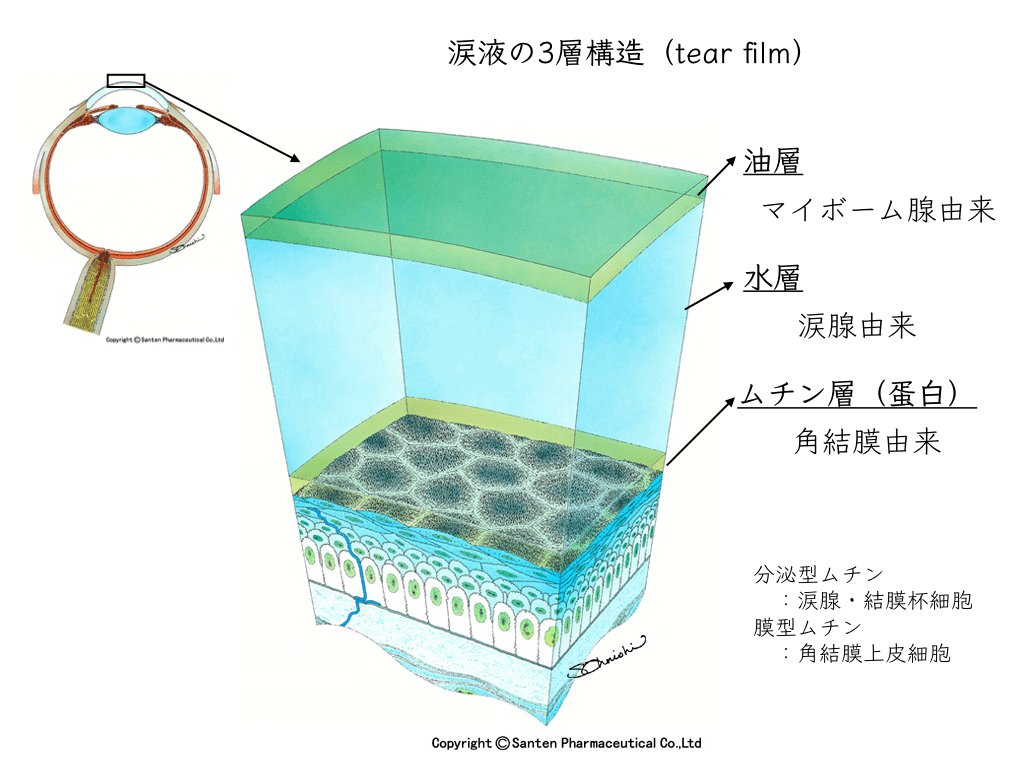
The tear film consists of three layers—the oil (lipid) layer (outermost), the aqueous layer (middle), and the mucin layer (innermost)—and a healthy ocular surface environment is maintained only when these are properly balanced.
The oil layer is formed by lipids secreted from the meibomian glands and functions as a barrier that prevents tear evaporation.
When the oil layer becomes thin because of meibomian gland dysfunction, evaporation of the aqueous layer is accelerated. As a result, even if tear production is normal, the stability of the tear film as a whole is lost, and various dry eye symptoms appear.
This phenomenon is also called “dry eye without dryness,” and it is the core of the new understanding of dry eye that goes beyond the traditional concept.
Meibomian Gland Dysfunction: The Core Condition of “Evaporative Dry Eye”
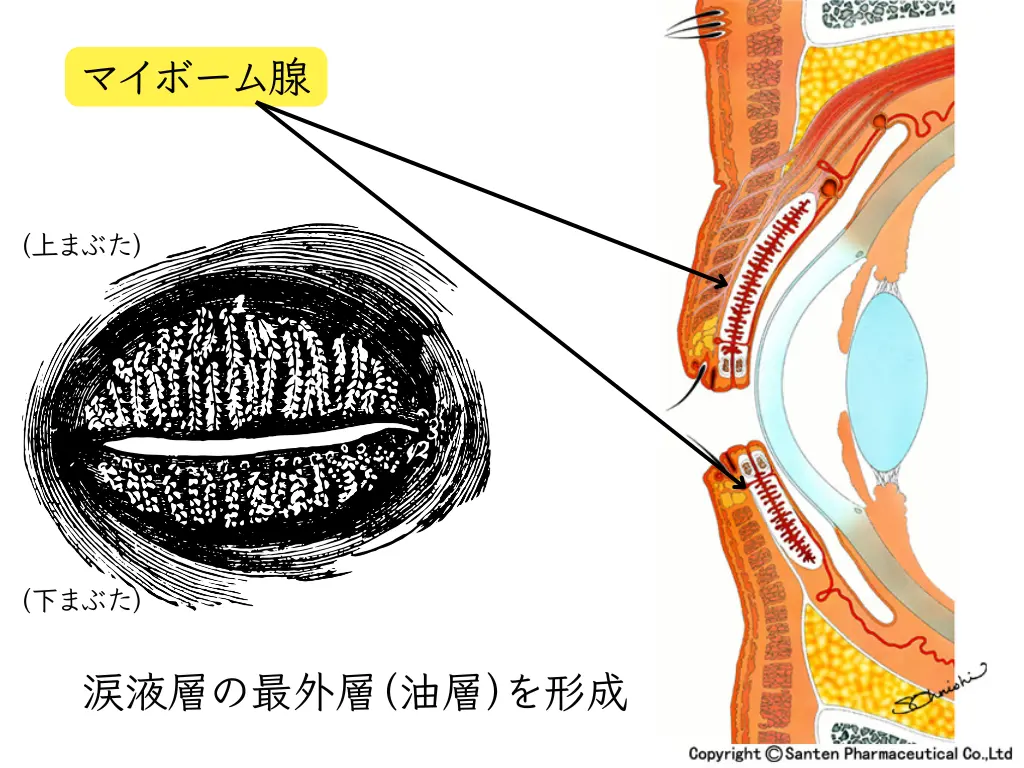
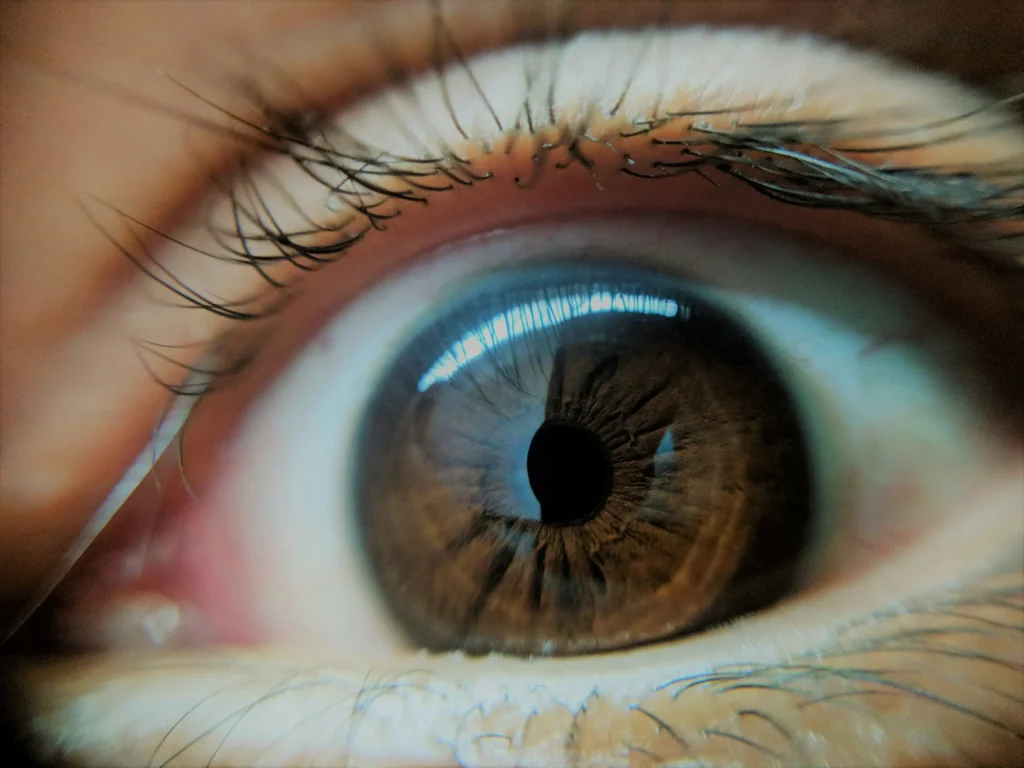
At the root of evaporative dry eye is dysfunction of the meibomian glands lined up along the edges of the eyelids.
Meibomian gland dysfunction (MGD) has come to be recognized as one of the most important ocular surface diseases in modern ophthalmology4.
What Are the Meibomian Glands? Oil Glands That Support Tear Stability
The meibomian glands are specialized oil glands, about 25 in the upper eyelid and about 20 in the lower eyelid, that secrete lipids of complex composition called meibum. These lipids form the outermost layer (the oil layer) of the tear film and play the following important roles:
- Preventing tear evaporation: covers the aqueous layer like a lid and prevents excessive evaporation of tears
- Stabilizing the tear film: helps tears spread evenly over the surface of the eye
- Preventing tear overflow: makes the eyelid margin hydrophobic and keeps tears from spilling over
- Protecting the ocular surface: acts as a barrier against irritants from outside
Healthy meibomian glands secrete a clear oil like olive oil.
However, when meibomian gland function declines for various reasons, the quality of the secretion changes and its quantity decreases.
As a result, the stability of the tear film is lost, leading to dry eye symptoms.
How Meibomian Gland Dysfunction Progresses
MGD progresses through a chain of processes like the following5:
- Obstructive changes: the openings of the meibomian glands become blocked by keratinized material, bacterial biofilm, eyelash mites, and so on. This hinders the outflow of lipids.
- Changes in the secretion: lipids stagnating inside the gland because of the blockage gradually become more viscous and their melting point rises. The melting point of normal meibum is about 32–35°C, but in MGD it can rise to 40°C or higher (it does not melt unless warmed considerably).
- Gland atrophy: long-term blockage and rising pressure eventually cause the meibomian glands to atrophy. Once atrophied, glands are difficult to recover, so early detection and early treatment are extremely important.
- Formation of a vicious cycle: a shortage of the oil layer promotes tear evaporation and induces inflammation of the ocular surface. The inflammation further lowers meibomian gland function, forming a vicious cycle.
Causes and Risk Factors of Meibomian Gland Dysfunction
It has become clear that many factors are involved in the onset of meibomian gland dysfunction (MGD)6.
Changes with aging
- With increasing age, natural atrophy of the meibomian glands progresses7. Age is an independent predictor of abnormal meibomian gland scores, and the risk increases by about 3% with each additional year of age (odds ratio = 1.03 per year).
- Hormonal changes with aging also have an effect. In particular, the risk of reduced meibomian gland function is higher in postmenopausal women10.
Use of digital devices
The association between digital device use and meibomian gland dysfunction (MGD) is supported by multiple studies8:
- People who use digital devices for 2 hours or more a day have been shown to have significantly more meibomian gland atrophy than those who do not.
- In studies of children, prolonged screen use has been shown to be associated with meibomian gland atrophy.
- While using digital devices, the blink rate decreases (by about 70%), causing excessive evaporation of tears.
Contact lens use
The association between contact lens wearers and meibomian gland dysfunction (MGD) is clear9:
- The meibomian glands play an important role in stabilizing the lipid layer of the tear film.
- A decrease in meibomian glands has been observed in contact lens wearers.
- A decrease in meibomian glands promotes tear film instability and causes dry eye symptoms.
- Tear film instability causes symptoms such as a foreign-body sensation, dryness, and discomfort.
Hormonal factors
- Women receiving postmenopausal hormone therapy have been found to have greater loss of meibomian glands (odds ratio = 4.98)10.
- Reduced androgen levels are also thought to be associated with meibomian gland dysfunction11.
Other risk factors
- Smoking (odds ratio = 2.05)10
- Use of antiallergic drugs (odds ratio = 5.85)10
- Drugs such as beta-blockers and carbonic anhydrase inhibitors 12
- Overgrowth of eyelash mites (Demodex)13
- Inadequate eyelid hygiene
Environmental factors

- Low-humidity environments (especially air-conditioned rooms)14
- Exposure to wind and pollutants15
- Long hours of VDT (visual display terminal) work 16
These factors may act alone, but in many cases several act together to cause meibomian gland dysfunction. For proper prevention and management, it is important to recognize these risk factors and control them as much as possible.
Effective treatment of MGD requires a comprehensive approach that takes these causes and risk factors into account. Particularly important is appropriate eyelid care to promote recovery of meibomian gland function.
Meibomian Gland Dysfunction (MGD): Treatment in Practice
In the treatment of meibomian gland dysfunction (MGD), eyelid care plays the central role.
A three-step approach of “warm, melt, and wash away” is especially recommended12.
Practiced correctly, this method is thought to promote recovery of the function of blocked meibomian glands and improve the stability of the tear film.
Step 1: “Warm”—the Science of the Warm Compress
A warm compress is essential for softening the solidified secretions of the meibomian glands.
Warming the eyes for a set time at a temperature above the melting point of meibomian gland lipids (about 32–35°C) makes the lipids fluid17.
Optimal conditions for a warm compress:
- Appropriate temperature: 40–45°C is considered most effective. If it is too low, the lipids will not soften sufficiently; if it is too high, it may damage the ocular surface.
- Duration: continuous warming for at least 5–10 minutes is needed. A short time does not soften the lipids sufficiently.
- Frequency: twice a day in the acute phase and once a day after symptoms stabilize is recommended.
Choosing an effective warming device:
- Plastic-bag method: putting a warmed towel in a plastic bag retains heat well. It prevents rapid cooling from evaporation of water from the towel and prevents the meibomian gland lipids from re-solidifying.
- Steam eye masks: disposable steam eye masks such as Megrhythm® can maintain a temperature of about 40°C for about 10 minutes. Their advantages are convenience and constant temperature; the drawback is cost.
- Microwave-heated eye masks: eye masks such as “Azuki no Chikara” can be heated in a microwave and reused. Temperature control requires care, but this is an economical and environmentally friendly choice.
- Dedicated heating devices: specialized equipment such as “LipiFlow®” and similar devices19 offer precise temperature control and a simultaneous massage function, but they are difficult to use at home.
Step 2: “Melt and Wash Away”—the Role of Eyelid Shampoo
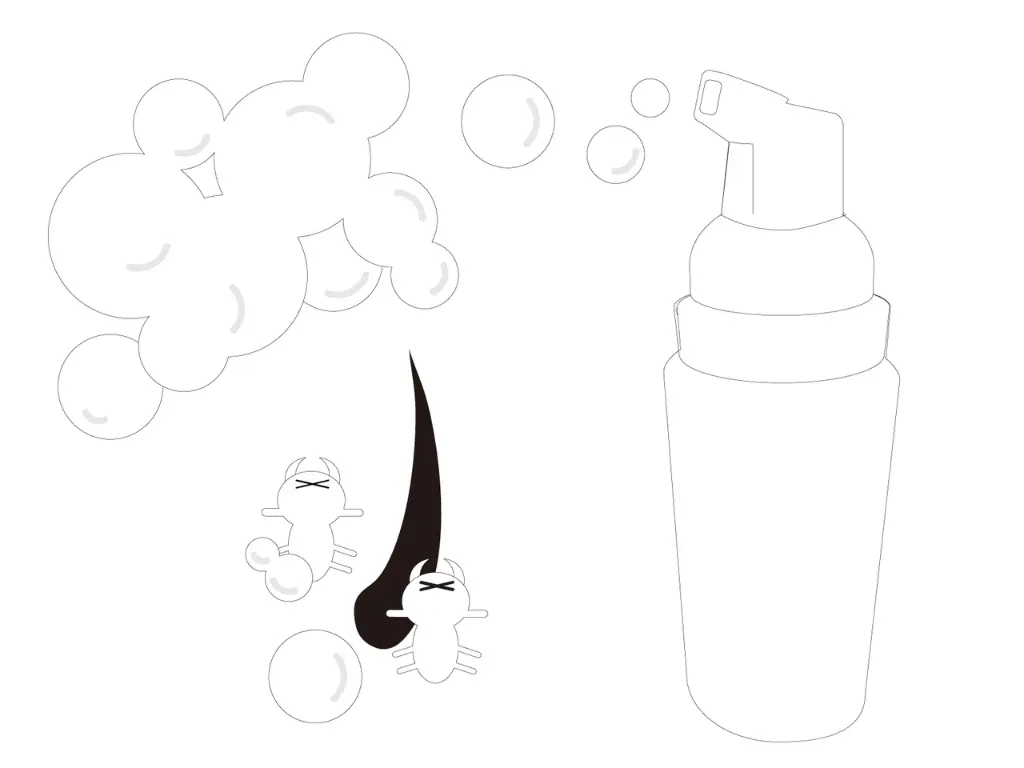
Washing the meibomian gland secretions softened by heat therapy with an eyelid shampoo, a cleanser made specifically for the eyelids, keeps the eyelids clean and clears blockage at the meibomian gland openings20.
How to use eyelid shampoo correctly:
- Preparation: Wash your hands thoroughly and take about 5–6 pumps of eyelid shampoo onto your fingertips.
- Timing: Using it immediately after heat therapy increases the efficiency of removing the softened lipids.
- Proper washing technique: With your eyes closed, gently massage along the meibomian gland openings, focusing on the base of the eyelashes. Avoid strong rubbing, which may damage the ocular surface.
- Washing time: Wash carefully for about 30 seconds per eye.
- Rinsing: Rinse thoroughly with clean water and pat lightly with a clean towel.
Criteria for choosing an eyelid shampoo:
According to clinical studies, an effective eyelid shampoo has the following characteristics20:
- Low irritation (ingredients that are safe even if they get into the eye)
- Appropriate cleansing power (neither too strong nor too weak)
- Effect in clearing blockage at the meibomian gland openings
- Control of eyelash mites (Demodex)
- Long-term safety
Meibomian Gland Care: What Matters for Maximum Effect
To maximize the effect of meibomian gland care, it is important to pay attention to the following points21:
- Continuity: Recovery of meibomian gland function requires continuous care for at least 6 months. Continuing as maintenance therapy even after temporary improvement prevents recurrence.
- Appropriate pressure: Aim for pressure on the eyelids that is “gentle but effective.” Too strong, and it damages the ocular surface; too weak, and the effect is insufficient.
- An individualized approach: The condition of the meibomian glands varies greatly from person to person, so the frequency and method need to be adjusted to symptoms and severity. In severe cases with advanced atrophy in particular, more frequent care may be required.
- Considering combination therapy: In severe or chronic cases, combining eyelid care with appropriate eye drops (such as anti-inflammatory drugs) is effective. It is desirable to make a comprehensive treatment plan in consultation with an ophthalmology specialist.
Meibomian gland care looks like a simple procedure, but its scientific background is complex. Carried out correctly and continuously, it can be expected to improve symptoms in many patients with evaporative dry eye. In early to moderate MGD in particular, it has the effect of suppressing the progression of symptoms and promoting recovery of healthy meibomian gland function.
The Effects and Limits of Eyelid Shampoo, Seen Through Research
The effectiveness of meibomian gland care, especially eyelid care combining warm compresses and eyelid shampoo, has been examined in several studies in recent years.
Clinical Effects of Eyelid Care
Multiple clinical studies have reported that appropriate eyelid care brings about the following effects22:
- Improved tear film stability: Continuous eyelid care has been shown to lengthen tear film break-up time (BUT) and improve tear film stability.
- Improved subjective symptoms: In many patients, continued eyelid care has been reported to improve dry eye symptom scores.
- Control of eyelash mites: Appropriate eyelid care has been suggested to reduce eyelash mite density and, along with it, improve meibomian gland function.
Effects and Limits
The effects of eyelid care vary from person to person, and the following points need attention23:
- Individual differences in effect: Studies suggest that the effect differs depending on the condition of the meibomian glands (such as the degree of atrophy). In severe cases with advanced atrophy in particular, standard eyelid care alone may not be sufficient.
- Effect on corneal staining scores: Some studies have also reported that eyelid care may not produce significant improvement in some ocular surface parameters (such as corneal staining scores).
- Importance of continuing: Many studies show that continuous care for at least 6 months is needed to obtain an effect. In addition, symptoms often recur when treatment is stopped, so continuing as maintenance therapy is recommended.
Combined Effect with Eye Drops
In dry eye treatment, a synergistic effect can be expected by combining eyelid care with eye drop therapy:
- It has been reported that the rate of symptom improvement is higher when eye drops and eyelid care are combined than with eye drops alone.
- In Europe and the United States, the immunosuppressant cyclosporine eye drops (Restasis®) and the molecularly targeted drug lifitegrast (Xiidra®) are used24, but they are not covered by insurance in Japan.
In practice, weak steroid eye drops such as fluorometholone (Flumetholon®) are used.
Eyelid care is a simple procedure, but it is a treatment based on scientific evidence.
In evaporative dry eye caused by early to moderate meibomian gland dysfunction in particular, continuing it in the proper way can be expected to improve symptoms. However, optimizing the treatment plan to each person’s condition and regular evaluation are important.
Summary: A New Understanding of “Dry Eye Without Dryness” and How to Cope
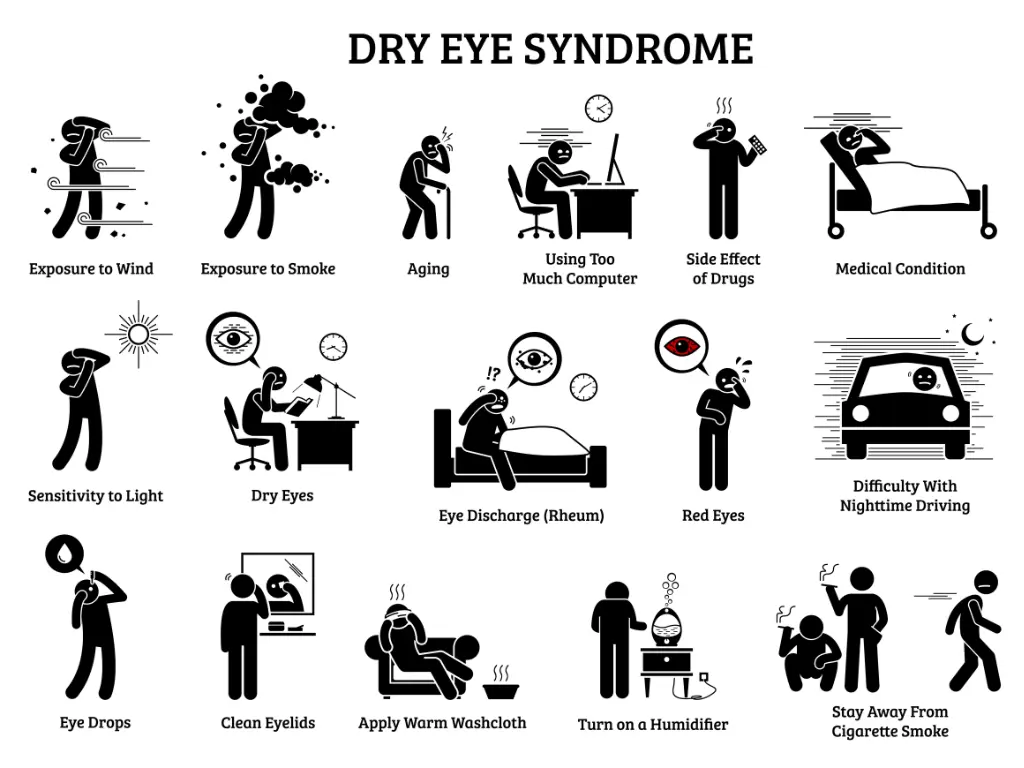
Our understanding of dry eye has changed revolutionarily over the past 20 years. It has evolved from the simple traditional idea of “too few tears” to a composite understanding of “a problem of tear film stability.” The following points are especially important:
- Tear quality matters more than quantity: About 80% of dry eye patients have enough tears, or even an excess. The problem lies not in the “quantity” of tears but in their “quality.”
- The central role of meibomian gland care: Restoring the function of the meibomian glands lined up along the eyelid margins is the foundation of treating evaporative dry eye. The “warm, melt, and wash away” method can normalize the oil layer and prevent tear evaporation.
- The importance of continuous care: Recovery of meibomian gland function requires at least 6 months of continuous care. Do not be satisfied with a temporary effect; continuing it as maintenance therapy is the key to improving symptoms.
- The value of early intervention: Once the meibomian glands atrophy, they are difficult to regenerate. Active intervention while symptoms are still mild is important for long-term eye health.
- Reviewing lifestyle habits: Preventive efforts in daily life are also effective, such as limiting digital device use, managing indoor humidity, and using contact lenses appropriately.
Evaporative dry eye is rapidly increasing in modern society, but with proper understanding and ways of coping, symptoms can be managed effectively in many cases. An approach that appropriately evaluates tear film instability and improves meibomian gland function brings new hope to people troubled by the seemingly contradictory symptom of “dry eyes even though tears overflow.”
I hope that by continuing care based on current ophthalmological knowledge, many people can regain comfortable vision.
References
- Dry Eye Disease Practice Guideline. Nippon Ganka Gakkai Zasshi (J Jpn Ophthalmol Soc) 123 (5): 489-592, 2019 http://journal.nichigan.or.jp/PastContent?mag=0&vol=123&year=2019&number=5
- Wu, Y., Wang, C., Wang, X., Mou, Y., Yuan, K., Huang, X., Jin, X., 2022. Advances in Dry Eye Disease Examination Techniques. Front. Med. 8. https://doi.org/10.3389/fmed.2021.826530
- Vidal-Rohr, M., Craig, J.P., Davies, L.N., Wolffsohn, J.S., 2024. Classification of dry eye disease subtypes. Cont Lens Anterior Eye 47, 102257. https://doi.org/10.1016/j.clae.2024.102257
- Chhadva, P., Goldhardt, R., Galor, A., 2017. Meibomian gland disease: the role of gland dysfunction in dry eye disease. Ophthalmology 124, S20–S26. https://doi.org/10.1016/j.ophtha.2017.05.031
- Du, Y.-L., Peng, X., Liu, Y., Wang, J.-S., Ye, Y.-F., Xu, K.-K., Qu, J.-Y., Chen, H., Xie, H.-T., Zhang, M.-C., 2023. Ductal Hyperkeratinization and Acinar Renewal Abnormality: New Concepts on Pathogenesis of Meibomian Gland Dysfunction. Curr Issues Mol Biol 45, 1889–1901. https://doi.org/10.3390/cimb45030122
- Kaur, K., Stokkermans, T.J., 2025. Meibomian Gland Disease, in: StatPearls. StatPearls Publishing, Treasure Island (FL).
- Moreno, I., Verma, S., Gesteira, T.F., Coulson-Thomas, V.J., 2023. Recent advances in age-related meibomian gland dysfunction (ARMGD). Ocul Surf 30, 298–306. https://doi.org/10.1016/j.jtos.2023.11.003
- Kocamiş, Ö., Temel, E., Aşikgarip, N., Örnek, K., 2021. Electronic Device Screen Time and Meibomian Gland Morphology in Children. J Ophthalmic Vis Res 16, 531–537. https://doi.org/10.18502/jovr.v16i4.9741
- Kojima, T., 2018. Contact Lens-Associated Dry Eye Disease: Recent Advances Worldwide and in Japan. Invest Ophthalmol Vis Sci 59, DES102–DES108. https://doi.org/10.1167/iovs.17-23685
- Machalińska, A., Zakrzewska, A., Safranow, K., Wiszniewska, B., Machaliński, B., 2016. Risk Factors and Symptoms of Meibomian Gland Loss in a Healthy Population. J Ophthalmol 2016, 7526120. https://doi.org/10.1155/2016/7526120
- Krenzer, K.L., Reza Dana, M., Ullman, M.D., Cermak, J.M., Tolls, D.B., Evans, J.E., Sullivan, D.A., 2000. Effect of Androgen Deficiency on the Human Meibomian Gland and Ocular Surface1. The Journal of Clinical Endocrinology & Metabolism 85, 4874–4882. https://doi.org/10.1210/jcem.85.12.7072
- Kaur, K., Stokkermans, T.J., 2024. Meibomian Gland Disease, in: StatPearls. StatPearls Publishing, Treasure Island (FL).
- Hao, Y., Zhang, X., Bao, J., Tian, L., Jie, Y., 2022. Demodex folliculorum Infestation in Meibomian Gland Dysfunction Related Dry Eye Patients. Front. Med. 9. https://doi.org/10.3389/fmed.2022.833778
- Song, M.-S., Lee, Y., Paik, H.J., Kim, D.H., 2023. A Comprehensive Analysis of the Influence of Temperature and Humidity on Dry Eye Disease. Korean J Ophthalmol 37, 501–509. https://doi.org/10.3341/kjo.2023.0077
- Hao, R., Wan, Y., Zhao, L., Liu, Y., Sun, M., Dong, J., Xu, Y., Wu, F., Wei, J., Xin, X., Luo, Z., Lv, S., Li, X., 2022. The effects of short-term and long-term air pollution exposure on meibomian gland dysfunction. Sci Rep 12, 6710. https://doi.org/10.1038/s41598-022-10527-y
- Bilgic, A.A., Kocabeyoglu, S., Dikmetas, O., Tan, C., Karakaya, J., Irkec, M., 2023. Influence of video display terminal use and meibomian gland dysfunction on the ocular surface and tear neuromediators. Int Ophthalmol 43, 1537–1544. https://doi.org/10.1007/s10792-022-02549-2
- Borchman, D., 2019. The Optimum Temperature for the Heat Therapy for Meibomian Gland Dysfunction. Ocul Surf 17, 360–364. https://doi.org/10.1016/j.jtos.2019.02.005
- Kwiecien, S.Y., Mathew, S., Howatson, G., McHugh, M.P., 2019. The effect of varying degrees of compression from elastic vs plastic wrap on quadriceps intramuscular temperature during wetted ice application. Scand J Med Sci Sports 29, 1109–1114. https://doi.org/10.1111/sms.13430
- Hu, J., Zhu, S., Liu, X., 2022. Efficacy and safety of a vectored thermal pulsation system (Lipiflow®) in the treatment of meibomian gland dysfunction: a systematic review and meta-analysis. Graefes Arch Clin Exp Ophthalmol 260, 25–39. https://doi.org/10.1007/s00417-021-05363-1
- Kobayashi, A., Ide, T., Fukumoto, T., Miki, E., Tsubota, K., Toda, I., 2016. Effects of a New Eyelid Shampoo on Lid Hygiene and Eyelash Length in Patients with Meibomian Gland Dysfunction: A Comparative Open Study. J Ophthalmol 2016, 4292570. https://doi.org/10.1155/2016/4292570
- Knop, E., Knop, N., Millar, T., Obata, H., Sullivan, D.A., 2011. The International Workshop on Meibomian Gland Dysfunction: Report of the Subcommittee on Anatomy, Physiology, and Pathophysiology of the Meibomian Gland. Investigative Ophthalmology & Visual Science 52, 1938–1978. https://doi.org/10.1167/iovs.10-6997c
- Alghamdi, Y.A., Camp, A., Feuer, W., Karp, C.L., Wellik, S., Galor, A., 2017. Compliance and Subjective Patient Responses to Eyelid Hygiene. Eye & Contact Lens 43, 213. https://doi.org/10.1097/ICL.0000000000000258
- Lam, P.Y., Shih, K.C., Fong, P.Y., Chan, T.C.Y., Ng, A.L.-K., Jhanji, V., Tong, L., 2020. A Review on Evidence-Based Treatments for Meibomian Gland Dysfunction. Eye Contact Lens 46, 3–16. https://doi.org/10.1097/ICL.0000000000000680
- Wei, Y., Asbell, P.A., 2014. The Core Mechanism of Dry Eye Disease (DED) Is Inflammation. Eye Contact Lens 40, 248–256. https://doi.org/10.1097/ICL.0000000000000042