![Takeru Eye Clinic | Takatori Shopping Street, Sawara-ku, Fukuoka City [Nishijin Station / Fujisaki Station]](https://takeru-eye.com/wp-content/uploads/2022/10/takeru_logo_for-WP-header.png)
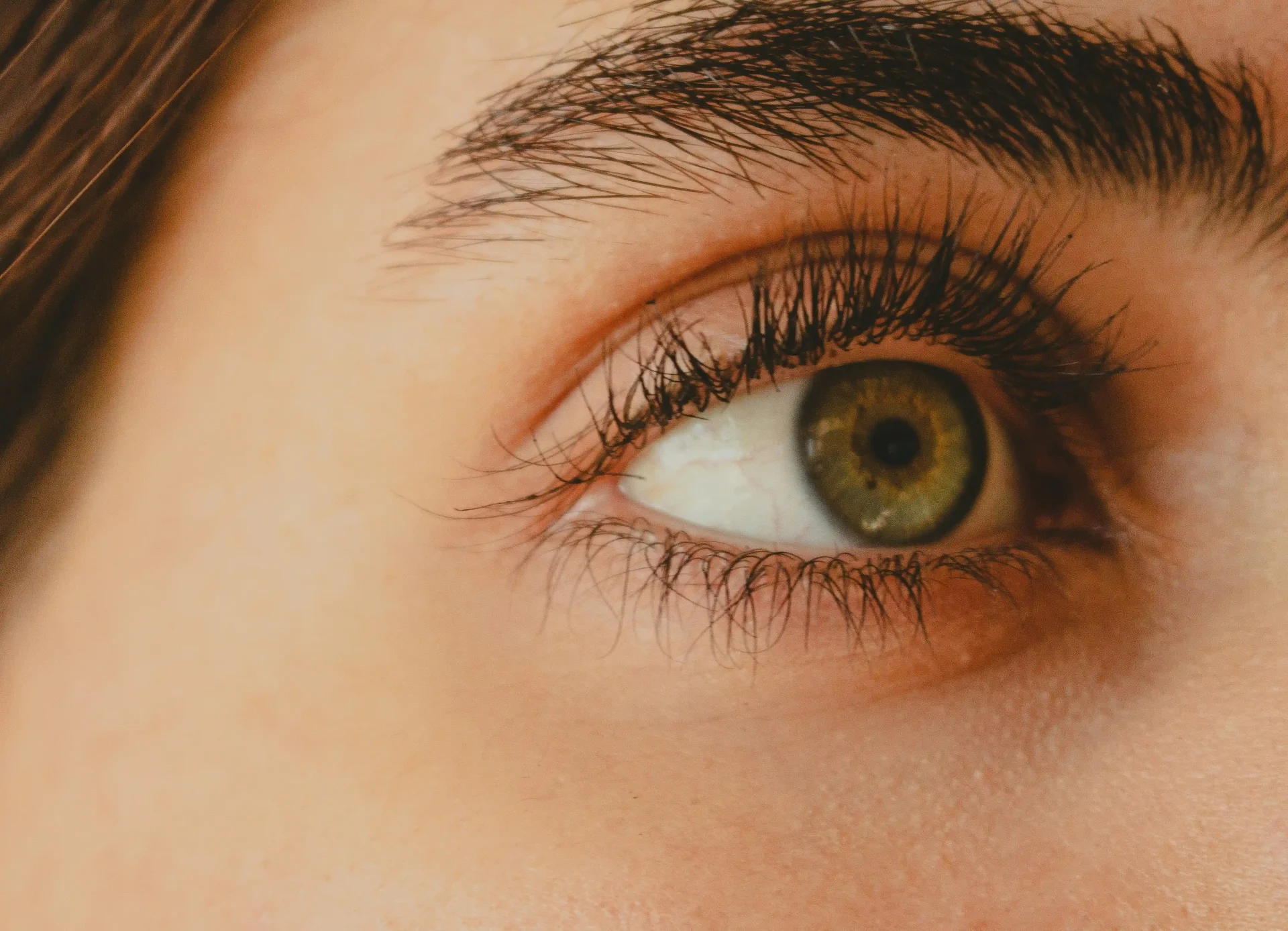
Did you know that tiny creatures too small to see with the naked eye live around our eyes?
A typical example is the “eyelash mite,” a microorganism called Demodex in medical terms.
Eyelash mites (Demodex) are “resident organisms” that naturally exist as part of the human skin ecosystem.
Their prevalence rises with age, and they are extremely common, especially in older people.
When I spoke on television in the autumn of 2024,
I said that 100% of people aged 70 and over have eyelash mites,
and since then I have been asked many questions during consultations.
October 10, 2024
The cause of “gritty eyes” may be “eyelash mites”: beware of forgetting to remove your makeup!https://newsdig.tbs.co.jp/articles/-/1486868?display=1
RKB Mainichi Broadcasting – Tadaima!
https://rkb.jp/tv/tadaima
Yahoo! JAPAN News
https://news.yahoo.co.jp/articles/e380e97ffd51819a4a5651dd33717a2e9ad82b91
In fact, it has been reported that the carrier rate of eyelash mites (Demodex mites) rises with age, and1 they are said to be present in most older people.
Tiny “Cleaners” Living in the Eyelashes
What is important is that the presence of eyelash mites itself is not a problem at all.
But when eyelash mites cause blepharitis, they can be deeply involved in dry eye as well.3, 4。
What Are Eyelash Mites (Demodex)? Basic Knowledge
Size and types
Two main types are known:4:
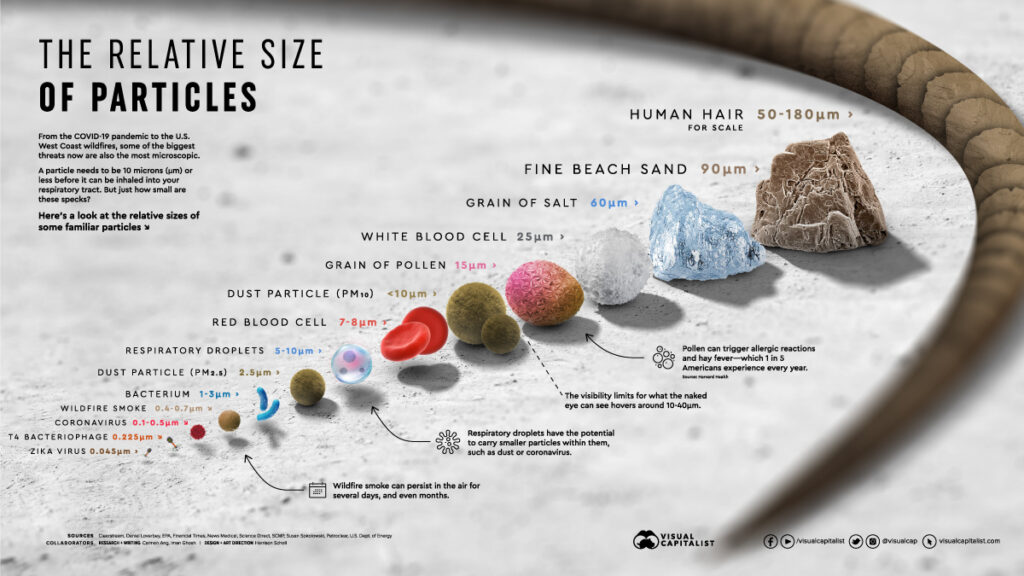
- Demodex folliculorum: 0.3–0.4 mm (lives in the hair follicle)
- Demodex brevis: 0.15–0.2 mm (shorter, lives deep in the sebaceous glands)
By comparison:
- About the same as, or slightly thicker than, the thickness of a human hair (about 0.08–0.1 mm)
- About one-fifth to one-twentieth the diameter of a sesame seed (about 2 mm)
- About 100 times the size of a typical bacterium (about 0.001 mm)
Characteristics and ecology
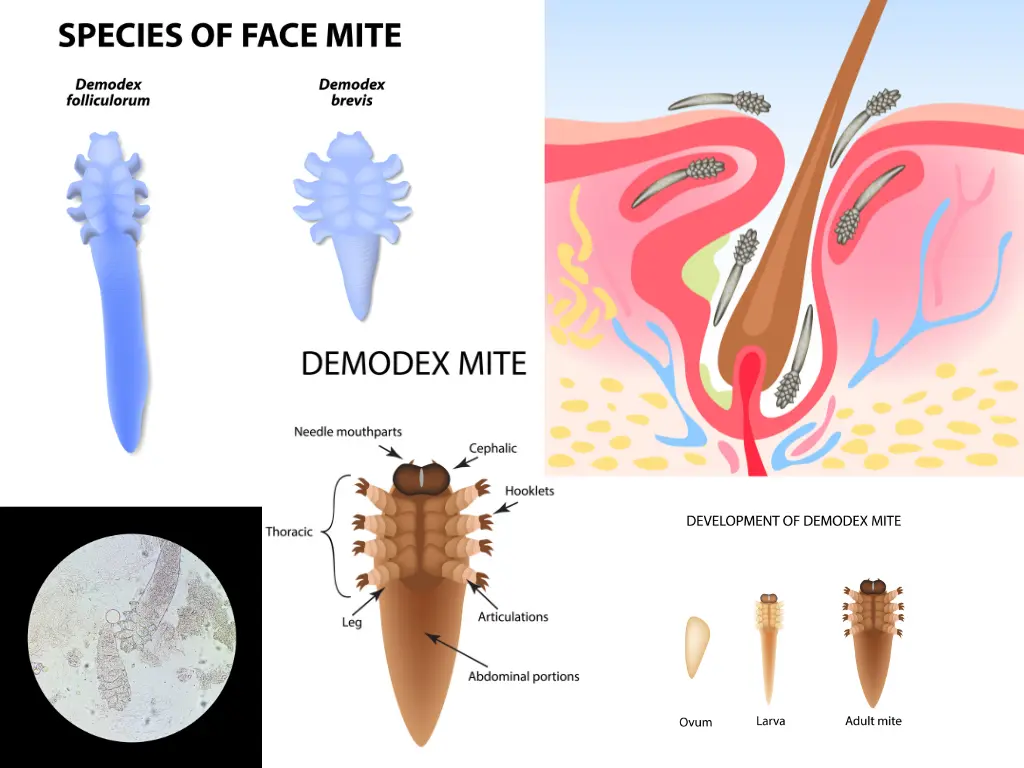
Body structure
- A translucent, elongated body shape
- Eight short, jointed legs
- A scaly body surface to attach firmly to the hair follicle
- Needle-like mouthparts for feeding on skin cells and sebum
Habitat
They live mainly on the face and are especially common in the following areas:
- The base of the eyelashes
- Around the eyebrows
- Around the nose
- Near the sebaceous glands
Activity
- Can move about 8–16 mm per hour
- More active at night
- Tend to avoid bright light and retreat into the hair follicle
- When moving over the skin surface, they crawl out of the hair follicle
Eyelash Mites (Demodex): Beneficial Roles and Symptoms

Beneficial roles
A moderate number of eyelash mites play roles such as the following:4:
- Removal of old skin cells
- Disposal of excess sebum
- Maintaining the balance of the skin ecosystem
Self-Check for Eyelash Mites: Symptoms to Watch For
.webp)
Only when they multiply excessively may the following symptoms appear:
Acute symptoms
- Itching or burning of the eyes
- Redness and inflammation of the eyelids
- Abnormal eyelashes (loss or abnormal growth)
- Greasy or dry, rough eyelashes
- A foreign-body sensation in the eyes
Chronic effects
- Dysfunction or atrophy of the meibomian glands
- Chronic blepharitis that is hard to improve with usual treatment
- Recurrent eye inflammation or infection
Factors behind overgrowth
Symptoms appear when factors such as the following overlap:
Main factors
- Reduced immune function due to illness or medications
- Physiological changes with aging
- Poor eyelid hygiene
Related factors
- Excessive sebum secretion, common in people in their 20s and 30s
- Difficulty keeping the eyelids clean because of facial shape
- Other conditions that affect immune function
Blepharitis Caused by Eyelash Mites (Demodex): How It Is Diagnosed
Characteristic findings5
Cylindrical dandruff (collarettes)
- Cylindrical dandruff seen at the base of the eyelashes strongly suggests the presence of eyelash mites
- It contains undigested material, keratin, eyelash mite eggs, and so on
- When this finding is confirmed, eyelash mites are present with almost 100% probability
Examination methods
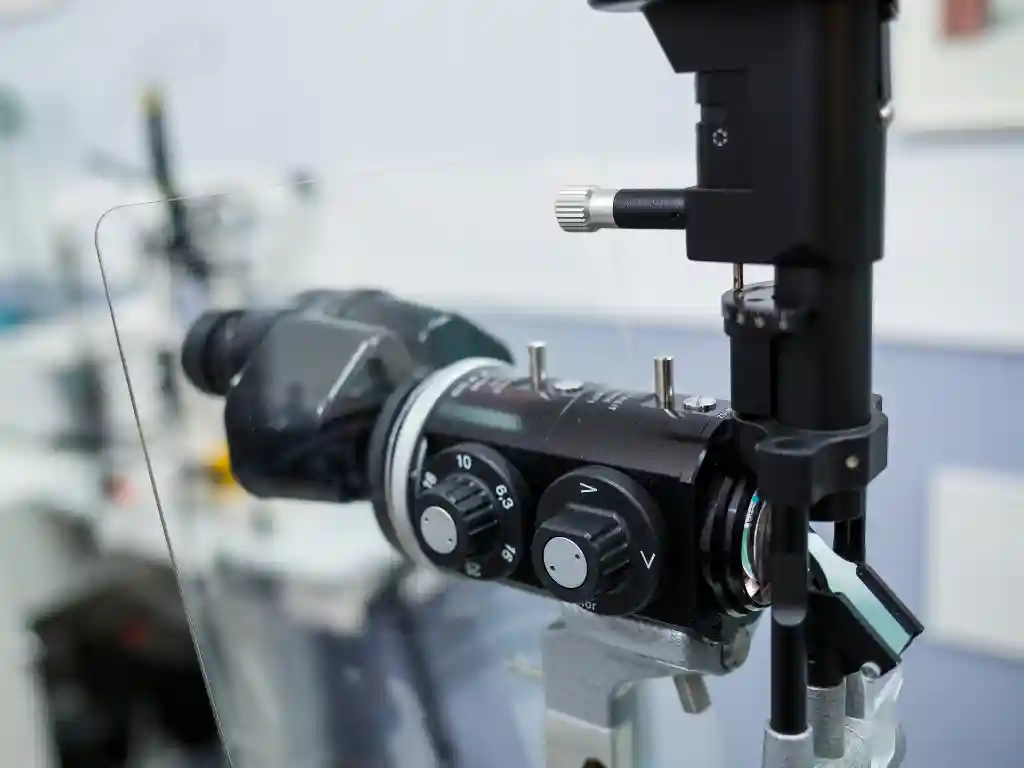
Slit-lamp examination
- The most common initial diagnostic method
- Observed with the patient closing the eyelids or looking down
- Check for the presence and distribution of cylindrical dandruff
Microscopic examination (study at an ophthalmology outpatient clinic in Rijswijk, the Netherlands)6
- Eyelashes are collected and examined in detail
- On average, about 3 eyelash mites are found on an infected eyelash
- It takes about 2 minutes 20 seconds to find the first eyelash mite
Non-invasive examination (study at Keio University)7
- Uses a confocal laser scanning microscope
- Can be observed without pulling out the eyelashes
- Real-time observation is possible
Blepharitis Caused by Eyelash Mites (Demodex): Treatment at the Eye Clinic
Lotilaner ophthalmic solution
Overseas, lotilaner ophthalmic solution (XDEMVY™) was approved by the FDA in July 2023 as the first treatment for Demodex blepharitis8。
In clinical trials, improvement of symptoms was confirmed in more than 50% of patients, but it is not yet available in Japan.
What You Can Do with Over-the-Counter Products and Self-Care (Tea Tree Oil Treatment)
How to use and concentration9
- A 15% concentration is the most effective and safe (also reported in the Ministry of Health, Labour and Welfare’s “Integrative Medicine” information dissemination project)
- Higher concentrations (20–25%) may cause irritation
- The active ingredient terpinen-4-ol plays the main role
https://www.ejim.ncgg.go.jp/pro/overseas/c04/44.html
https://www.nccih.nih.gov/health/tea-tree-oil
Specific steps
- Wash your hands well
- Close your eyes completely
- Gently clean the base of the eyelashes in a sideways direction
- Take about 30 seconds per eye, carefully
- Use a new cotton swab or pad for each eye
Treatment schedule
- Use once or twice a day
- Continue for at least 6 weeks (two generations of the eyelash mite life cycle)
- Many people notice an effect in 2 to 4 weeks
Precautions
- Do not use the undiluted oil directly
- Be careful that it does not get into the eyes
- Stop use if you feel irritation
- Remove contact lenses before doing this
Other treatments and care
- Professional cleaning of the eyelashes and eyelids
Using an eyelid shampoo (eye shampoo) and similar products - Use of prescription medications as needed
- Regular replacement of eye makeup products
- Keeping towels clean
- Continuing proper eyelash-washing habits
Eyelash Mites (Demodex) and Eye Diseases: Latest Research Findings
Recent research has been revealing associations between eyelash mites and various eye diseases.
In particular, new findings are accumulating on the relationship with dry eye and meibomian gland dysfunction (MGD)10。
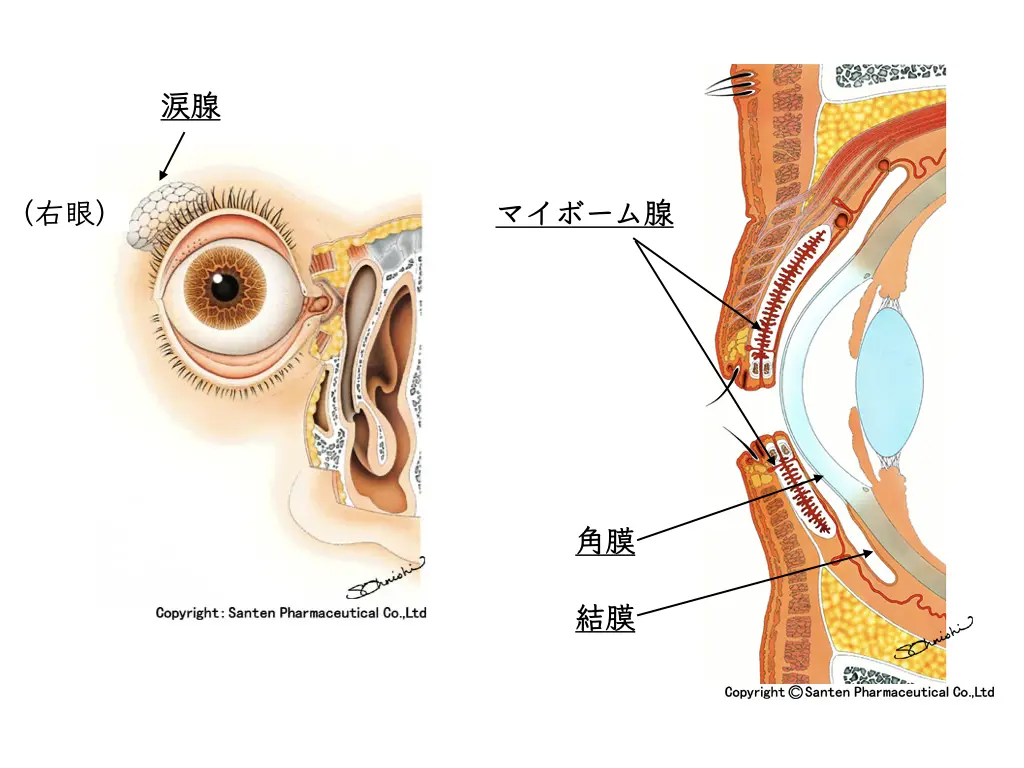
In addition, treatment options are steadily increasing, such as the new FDA-approved drug mentioned above (lotilaner ophthalmic solution 0.25%).
Summary
Eyelash mites are a natural part of our skin ecosystem. Their prevalence rises with age, but they are usually not a problem at all.
Rather, a moderate number of eyelash mites contribute to maintaining skin health.
Treatment is needed only when multiple factors overlap and they multiply excessively.
Even in such cases, a healthy state can be regained with appropriate diagnosis and treatment.
References
- Cheng, A.M., Galor, A., Banoub, R., Gupta, S.K., 2023. The impact of ocular demodicosis on the eyes. Eye 37, 3061–3062. https://doi.org/10.1038/s41433-023-02526-8
- Niu, Q., Cai, S., Yang, C., Geng, Y., Chen, Y., Liu, Y., 2024. In vitro culture and morphological observation of human eye demodex mites. Sci Rep 14, 23357. https://doi.org/10.1038/s41598-024-74178-x
- Rhee, M.K., Yeu, E., Barnett, M., Rapuano, C.J., Dhaliwal, D.K., Nichols, K.K., Karpecki, P., Mah, F.S., Chan, A., Mun, J., Gaddie, I.B., 2023. Demodex Blepharitis: A Comprehensive Review of the Disease, Current Management, and Emerging Therapies. Eye Contact Lens 49, 311–318. https://doi.org/10.1097/ICL.0000000000001003
- Chioveanu, F.G., Niculet, E., Torlac, C., Busila, C., Tatu, A.L., 2024. Beyond the Surface: Understanding Demodex and Its Link to Blepharitis and Facial Dermatoses. OPTH 18, 1801–1810. https://doi.org/10.2147/OPTH.S440199
- Boel, C., Westerveld, E., Kloos, D., Goezinne, F., 2023. Refining the Diagnostic Technique to Determine Prevalence of Demodex Mites in Eyelash Hair Follicles Within Standard Ophthalmic Practice: A Single-Center Outpatient Clinical Study. Clin Ophthalmol 17, 2027–2036. https://doi.org/10.2147/OPTH.S407898
- Boel, C., Westerveld, E., Kloos, D., Goezinne, F., 2023. Refining the Diagnostic Technique to Determine Prevalence of Demodex Mites in Eyelash Hair Follicles Within Standard Ophthalmic Practice: A Single-Center Outpatient Clinical Study. Clin Ophthalmol 17, 2027–2036. https://doi.org/10.2147/OPTH.S407898
- Kojima, T., Ishida, R., Sato, E.A., Kawakita, T., Ibrahim, O.M.A., Matsumoto, Y., Kaido, M., Dogru, M., Tsubota, K., 2011. In Vivo Evaluation of Ocular Demodicosis Using Laser Scanning Confocal Microscopy. Investigative Ophthalmology & Visual Science 52, 565–569. https://doi.org/10.1167/iovs.10-5477
- Talha, M., Haris Ali, M., Fatima, E., Nadeem, A., Ahmed, A., Nashwan, A.J., 2024. Efficacy and Safety of Lotilaner Ophthalmic Solution (0.25%) for the Treatment of Demodex Blepharitis: A GRADE Assessed Systematic Review and Meta-Analysis of Observational & Experimental Studies. Am J Ophthalmol 264, 8–16. https://doi.org/10.1016/j.ajo.2024.03.019
- Gao, Y.-Y., Pascuale, M.A.D., Li, W., Baradaran-Rafii, A., Elizondo, A., Kuo, C.-L., Raju, V.K., Tseng, S.C.G., 2005. In vitro and in vivo killing of ocular Demodex by tea tree oil. British Journal of Ophthalmology 89, 1468–1473. https://doi.org/10.1136/bjo.2005.072363
- Niu, X., Wu, S., Xia, G., Xu, M., 2024. Evaluating the role of Demodex infestation and meibomian gland dysfunction in recurrent corneal erosion syndrome. Sci Rep 14, 22180. https://doi.org/10.1038/s41598-024-73215-z