An article from the American Academy of Ophthalmology:
36 Fabulous Foods for Your Eyes
introduces
nutrients that are important for keeping your eyes healthy and that also lower the risk of disease.
Eating a diet low in fat and rich in fruits, vegetables, and grains is known to be good for both
○ the cardiovascular system, nourished by large arteries
○ the eyes, which have very thin arteries
It is good for both.
36 Foods That Are Good for Your Eyes

[Orange vegetables and vegetables containing vitamin A]

The best-known vitamin for the eyes is vitamin A.
The retina needs a lot of vitamin A to turn light into images.
Vitamin A is also needed to keep the surface of the eye moist, and when it is lacking,dry eyedevelops.
• Carrots
• Sweet potatoes: contain 200% of the daily requirement of vitamin A
• Cantaloupe
• Apricots
[Fruits and vegetables rich in vitamin C]

Vitamin C is the most important for keeping the eyes healthy.
The antioxidant action of vitamin C protects the body from food, lifestyle, and the environment.
Fried foods, tobacco, and sunlight produce free radicals, which damage cells.
Vitamin C helps damaged cells to be repaired and new healthy cells to be regenerated.
Among citrus fruits,
• Oranges
• Tangerines
• Grapefruit
• Lemons
Many other foods are also rich in vitamin C:
• Peaches
• Red bell peppers
• Tomatoes
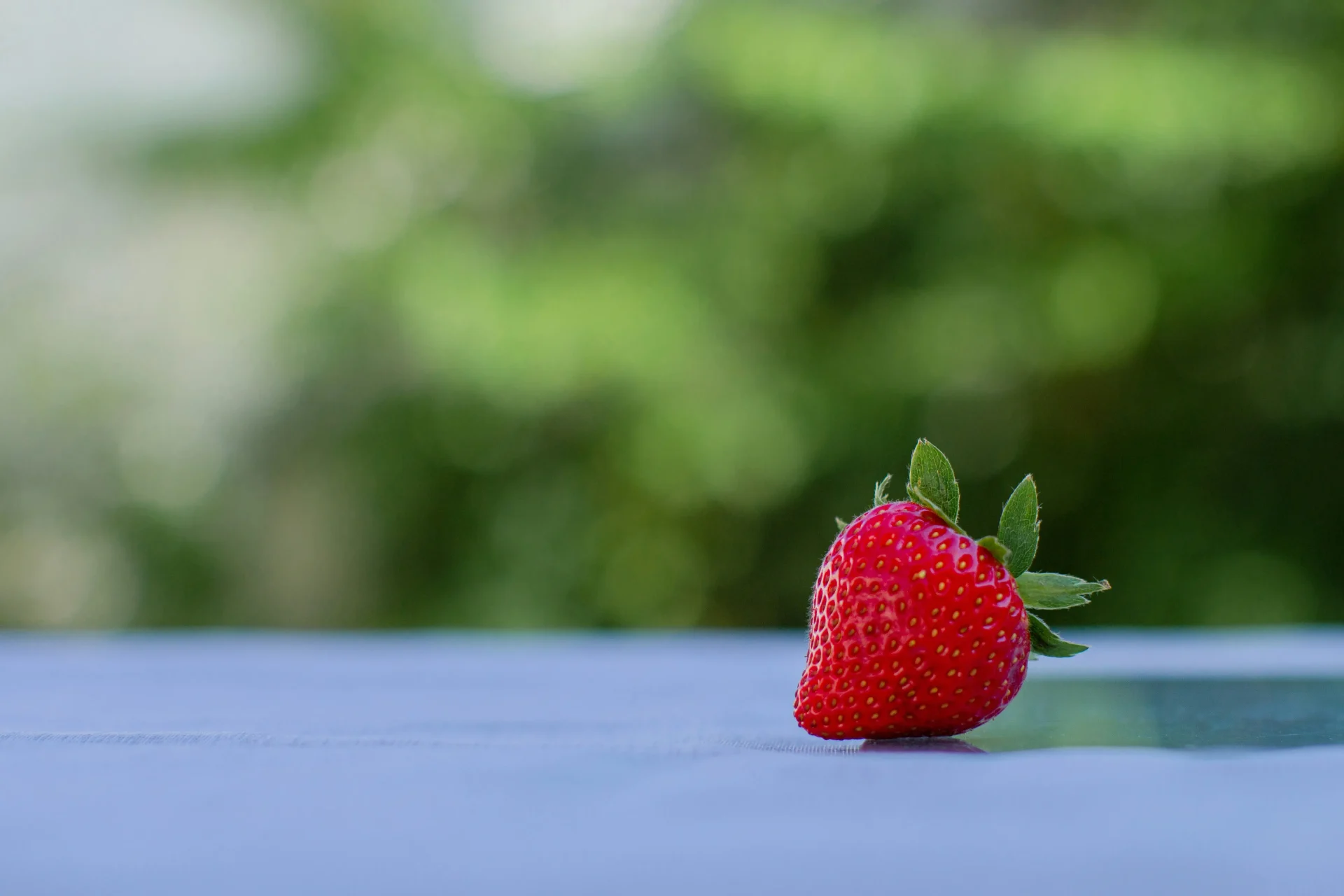
• Strawberries
Antioxidants have been shown to delay the onset of age-related macular degeneration.
Age-Related Eye Diseases Study (AREDS)
[Vitamin E]

It has an antioxidant action and keeps cells healthy.
• Avocados
• Almonds(almonds)
• Sunflower seeds
[Cold-water fish containing omega-3 fatty acids]

They are thought to lower the risk of developing age-related macular degeneration.1。
• Salmon
• Tuna
• Sardines
• Halibut
• Trout
Omega-3 fatty acids also have a good effect on tear function:
Eating fish is thought to be good for dry eye as well.
[Vegetables rich in lutein and zeaxanthin]

• Kale
• Spinach
• Romaine lettuce
• Collard greens
• Turnip greens
• Broccoli
• Peas
• Eggs
[Beans and zinc]

Zinc is important for keeping the retina healthy and protects the eyes from ultraviolet rays.
However, it also reduces copper, which is important for making red blood cells.
Eating beans can increase both zinc and copper.
• Black-eyed peas
• Kidney beans
• Lima beans
• Oysters
• Lean red meat
• Poultry
• Fortified cereals
are also known to contain zinc.
“Do I need vitamin supplements?”

• A sufficiently nutritious diet is what matters, and supplements are rarely needed.
• Age-related macular degeneration is the exception:
In the large AREDS2 study (Age-Related Eye Disease Study 2), which enrolled 4,203 people at high risk of progression to advanced AMD, adding lutein + zeaxanthin or omega-3 fatty acids to the original AREDS formulation (vitamins C and E, beta carotene, zinc) did not reduce progression any further.2 Whether to take a supplement is something to decide with an eye doctor, based on your progression risk.
✔ Whatever your age, it is never too late to start eating healthily.
1. Merle, B.M.J., Benlian, P., Puche, N., Bassols, A., Delcourt, C., Souied, E.H., 2014. Circulating Omega-3 Fatty Acids and Neovascular Age-Related Macular Degeneration. Invest. Ophthalmol. Vis. Sci. 55, 2010. https://doi.org/10.1167/iovs.14-13916
2. Age-Related Eye Disease Study 2 (AREDS2) Research Group (Chew, E.Y., et al.), 2013. Lutein + zeaxanthin and omega-3 fatty acids for age-related macular degeneration: the Age-Related Eye Disease Study 2 (AREDS2) randomized clinical trial. JAMA 309(19), 2005-2015. https://pubmed.ncbi.nlm.nih.gov/23644932/