Many patients come to us from around Nishijin, Fujisaki, Takatori, and Momochi,
on foot or by public transportation.
• Characteristics of the population makeup and the area: a “livable town” / a long-established “temple town of Momiji Hachiman Shrine” / a “student town”
• Transportation: convenient for visits / easy to coordinate with medical institutions
What is very different from my past experience as a hospital physician
is that I can now follow patients over a long period.
With that as a premise, I am thinking about my own approach to care.
I practice with gratitude to everyone I have the good fortune to meet.
(1) Finding glaucoma / various eye drop treatments
It is said that 1 in 20 people aged 40 and over has glaucoma, and I feel the same every day since moving from my previous workplace to begin practicing in the Takatori Shopping Street, Sawara Ward.
Thanks to the development of medical equipment, we can find glaucoma from quite an early stage. Almost everyone has no subjective symptoms at all.
Please do not worry excessively about the word “glaucoma.” We will explain each person’s condition and outlook in detail.
Compared with when I became a doctor, eye drops are now much better.
Surgery is considered when glaucoma can no longer be managed with eye drops (= “glaucoma cannot be cured by surgery”).
We also handle various health checkups.
I believe the basis of glaucoma treatment is to take appropriate action early, slow the progression of glaucoma, and prevent subjective symptoms of visual field narrowing or decreased vision throughout life.
One week after opening / about glaucoma care
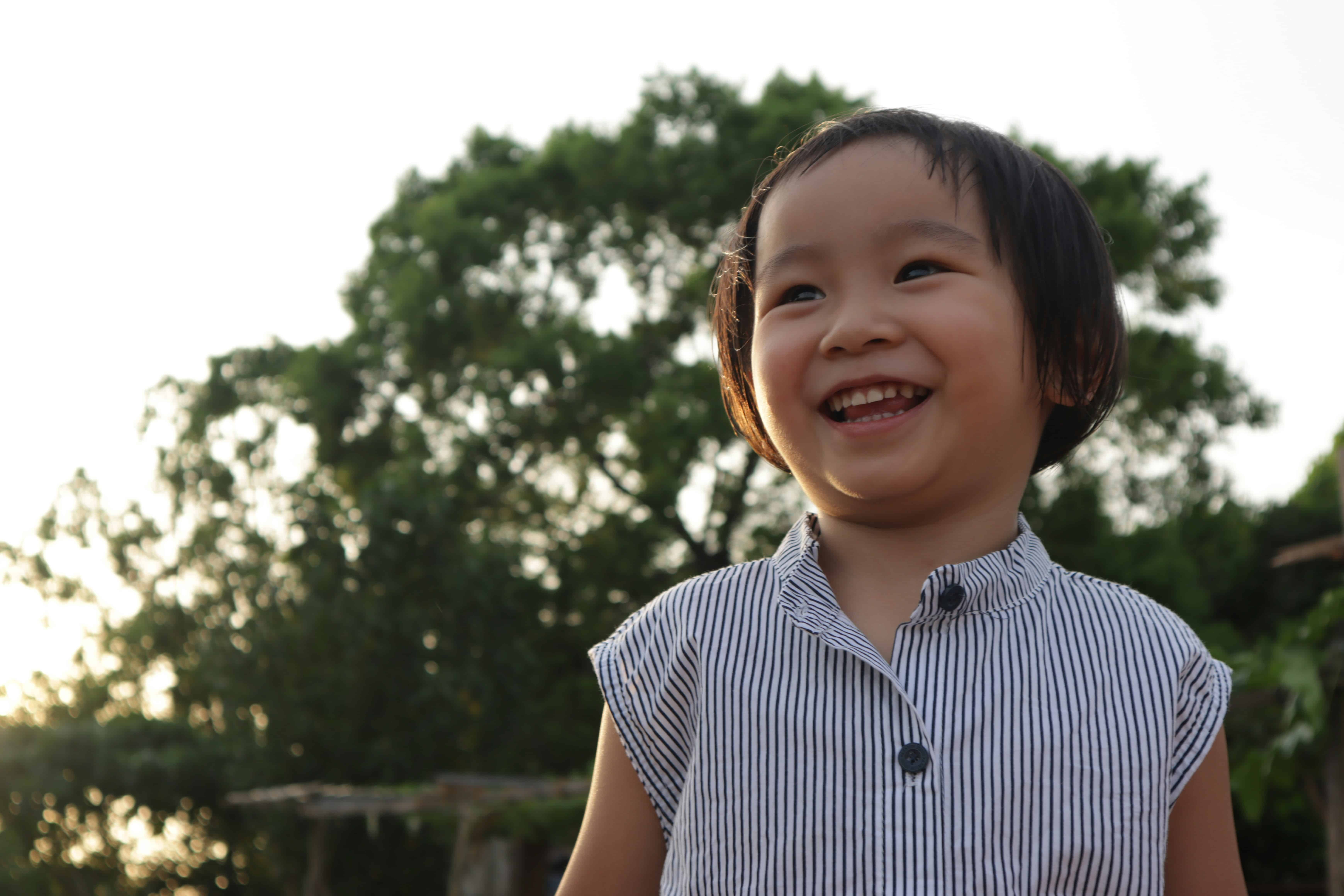
(2) Many children
Myopia:
If myopia progresses to high myopia, the risk of glaucoma, retinal degeneration, and other conditions becomes higher after adulthood.
Evidence for slowing myopia progression has recently been shown, and I have become academically interested as well.
With the cooperation of various parties, we have finished preparing to offer low-dose atropine eye drop treatment while keeping the financial burden down.
Many children have been preparing for entrance exams for a long time, and the quantitative evaluation (graphing) of tired eyes described below has also been effective.
Amblyopia and strabismus:
With the cooperation of several orthoptists (ORT), we can handle children’s various eye diseases.
Myopia in children
Amblyopia / the 3-year-old health checkup
High myopia / Japan-China-Korea ophthalmology meeting
(3) Retinal disease
Inflammatory eye diseases such as diabetic retinopathy, age-related macular degeneration, and uveitis
With OCT angiography, we can assess the state of the retinal blood vessels without taking the risk of contrast dye allergy.
With advances in diagnostic imaging, the field of “medical retina” has been established, and fewer diseases require surgery than 10-plus years ago.
After consultation, we plan to expand the range of our care as needed.
Ocular inflammation and ocular immunology / age-related macular degeneration
Diabetes and the eyes
OCT angiography (optical coherence tomography angiography)
Happy New Year / uveitis and ocular inflammation (1)
(4) Quantifying eye fatigue / dry eye
(tired eyes, headache, stiff shoulders, pain behind the eyes, nausea)
We can now show eye fatigue (tired eyes) in a graph.
It shows the state of the muscle around the lens inside the eye (the ciliary muscle). We prescribe eye drops accordingly.
With social media, videos, and more on smartphones, most people now spend a great deal of time looking at near objects.
Tired eyes are also very often accompanied by dry eye (abnormalities of the tear film).
I also think about the disease concept from the perspective of ocular inflammation, and since my previous workplace I have established diagnosis and treatment effects in my own practice.
Some people go to a bonesetter (seitai). There also seem to be cases of poor physical condition caused by eye fatigue.
Eye strain / accommodation analyzer
Dry eye
(5) Cataract
With age, clouding of the lens occurs in everyone (cataract).
If it does not interfere with daily life, there is little indication for surgery, but it is necessary to treat it before it becomes quite advanced.
There are also cataracts not caused by aging, though they are less common.
After checking for abnormalities at the back of the eye, we judge whether treatment is indicated.
For diseases that need surgery or more advanced tests and treatment, after judging timing and indication and consulting with the patient and family, we provide care in cooperation with Kyushu University and partner medical institutions.
I will always keep updating my own knowledge from many sources.
Thank you for your continued support.
(If you come by private car, please use the parking lot at the back of the Fine Garden Takatori grounds.)