![Takeru Eye Clinic | Takatori Shopping Street, Sawara-ku, Fukuoka City [Nishijin Station / Fujisaki Station]](https://takeru-eye.com/wp-content/uploads/2022/10/takeru_logo_for-WP-header.png)

Even with new glasses, you may end up with symptoms such as difficulty seeing, headaches, or a sense of discomfort.
Certified orthoptists conduct the examination, and
even with glasses prescribed after an appropriate examination at an eye clinic, the expected effect may not be obtained because of various factors.
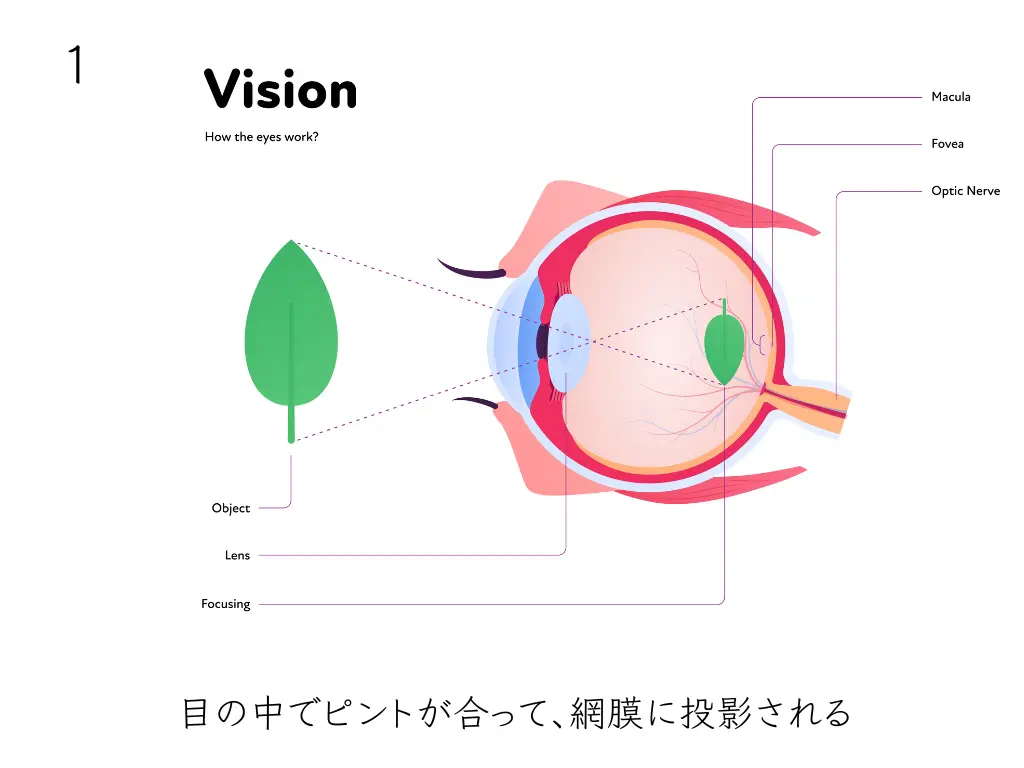
Inside the eye, the “ciliary muscle” and the “lens”: the state that adjusts focus is constantly changing.
Main Reasons Glasses Don’t Fit

An inaccurate prescription due to accommodative spasm
Accommodative spasm is a condition in which the ciliary muscle, which adjusts the lens of the eye, is excessively tense and cannot relax properly.
It often develops with long periods of close work or the use of digital devices, and is seen especially often in young people.
If a refraction test is done while accommodative spasm is present, myopia tends to be measured as stronger than the actual refractive power. As a result, over-corrected glasses are prescribed, which causes eye strain and headaches when they are worn.
Changes in physical condition at the time of testing
If your physical condition on the day of the vision test differs from your condition after receiving the glasses, the way things look may differ.
Fatigue, lack of sleep, and changes in stress level affect the eye’s focusing function.
In women, changes in hormone balance over the menstrual cycle may also affect vision.
It is also known that refractive power can change temporarily during pregnancy and breastfeeding because of changes in the body’s fluid balance.
When an adjustment period is needed
It is not unusual for it to take some time to get used to new glasses. Especially for first-time glasses wearers, or when there has been a large change in power, the brain takes time to adapt to the new visual information.
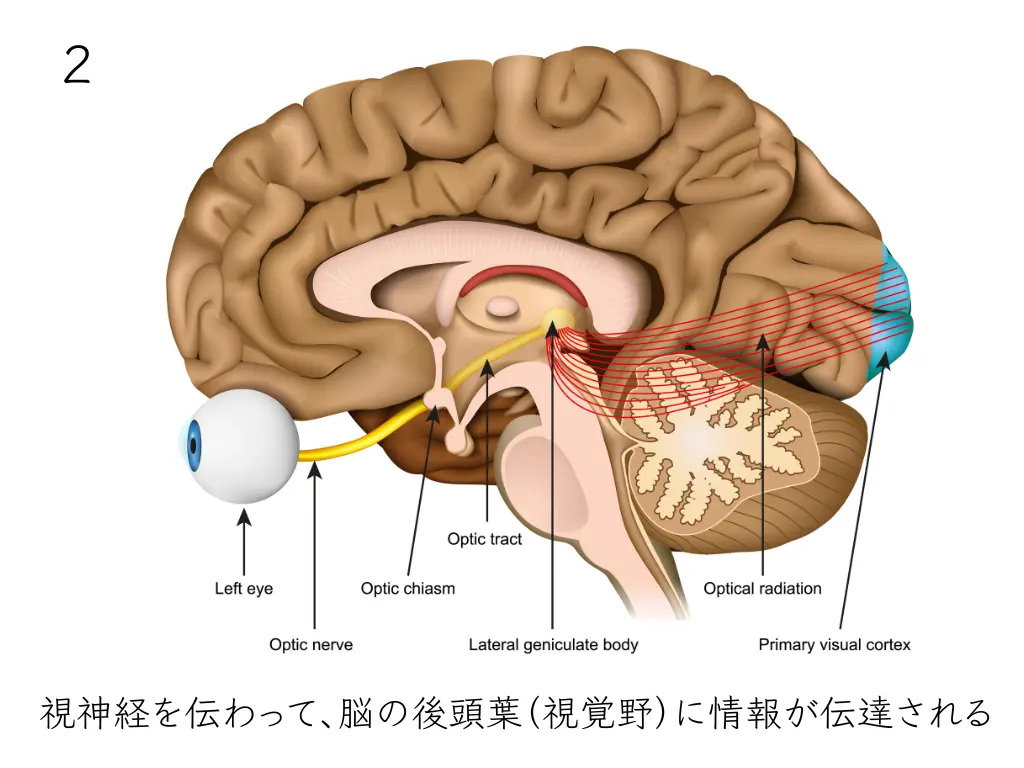
With bifocal or progressive multifocal lenses, you need to learn how to use your line of sight, so it may take several weeks to get used to them. By learning appropriate eye movements and head movements, you can use them comfortably.
Problems with lens selection or processing
Even when the glasses are made according to the prescription, the type of lens or the processing method may not suit the wearer’s lifestyle. For example, even if single-vision lenses are prescribed, you may feel eye strain if you actually do a lot of work at intermediate or near distances.
The shape and size of the frame can also affect the optical performance of the lens. Especially when the power is strong, the choice of frame greatly affects the quality of vision.
Fitting problems
How the glasses physically feel also greatly affects how things look. If the height and width of the nose pads and the angle of the temples (the “arms” of the glasses) are not appropriate, the optical center of the lens and the position of the pupil will be misaligned, and the proper corrective effect will not be obtained.
Especially with progressive lenses, a slight fitting error can greatly impair comfort. If the position of the progression corridor does not match the height of the line of sight, the distance and near portions cannot be used properly.
The presence of strabismus

A mild strabismus that is hard to detect in routine examinations may be hidden.
Strabismus is a condition in which the visual axes of the two eyes are not perfectly parallel. In daily life it is compensated by binocular vision, so there are often no subjective symptoms.
However, when vision improves with glasses, eye strain or a sense of double vision caused by a subtle strabismus that went unnoticed until then may become apparent. Symptoms tend to appear especially during long periods of close work, and are felt as headaches or tired eyes.
By correcting the strabismus with prism correction, comfortable binocular vision may be obtained.
However, prescribing prisms requires specialized examination and judgment.
What You Can Do
Consider a re-examination
If the symptoms of glasses not fitting continue for one to two weeks, the prescription may need to be reviewed.
When accommodative spasm is suspected, a more accurate refractive power can be measured with an examination using cycloplegic drugs (Midrin®-P, Cyplegin® eye drops, and others).
Eye drops to relax accommodative tension may also be considered.
By measuring again under different conditions or at a different time of physical condition, a more accurate prescription may be obtained.
By telling us your symptoms in detail, you can receive the best prescription for your purpose of use.
Dealing with it at the optical shop
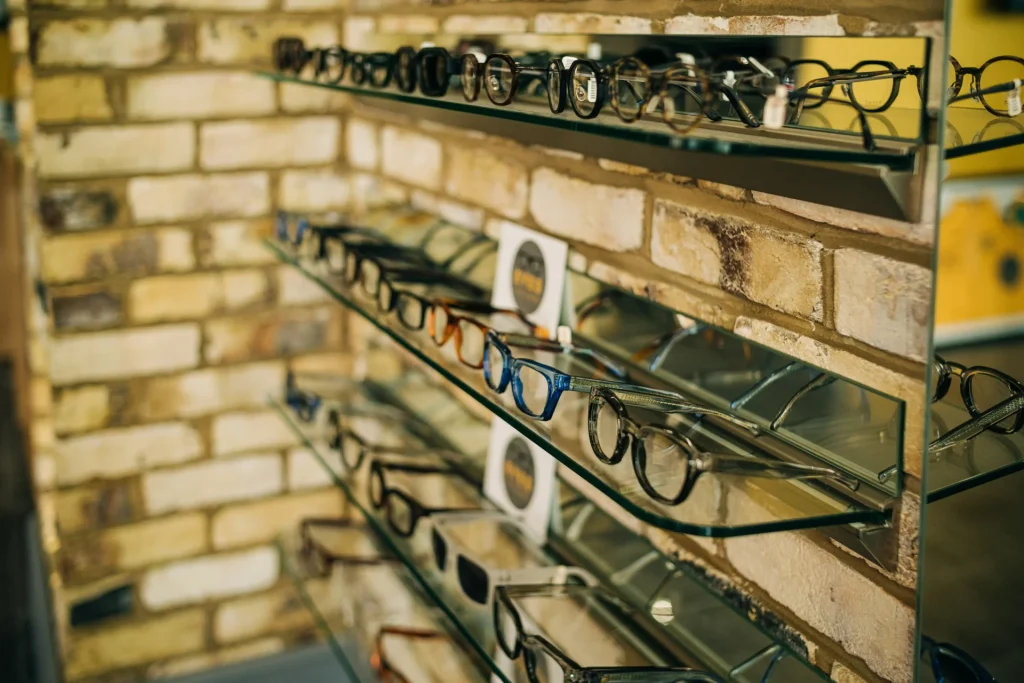
If it is difficult to see the eye clinic again because you are busy, readjusting directly at an optical shop is also one solution for the time being.
The optical shop can measure the power of the glasses you are currently wearing and make fine adjustments according to the wearer’s symptoms and wishes.
In that case, the result will differ from the examination result at the time the prescription was issued based on the orthoptist’s examination.
If a large change in power or an eye disease is suspected, a re-examination at an eye clinic may be necessary.
Fitting adjustment
In many cases, the problem is solved by appropriate fitting adjustment. With specialized adjustment at an optical shop, the optical center of the lens and the position of the pupil can be matched precisely.
Fine adjustments, such as the position and angle of the nose pads and the bend of the temples (the “arms” of the glasses), can greatly improve how the glasses feel. With regular maintenance, they can be used comfortably for a long time.
Stepwise changes in power
When a large change in power is needed, there is a method of raising the power step by step instead of fully correcting at once. Because the eyes can adapt gradually to the new power, the sense of discomfort can be kept to a minimum.
Especially when using progressive lenses for the first time because presbyopia has advanced, raising the add power step by step makes a smooth transition possible.
Improve lifestyle habits
To improve accommodative spasm and eye strain at the root, it is important to review how long you use digital devices.
Practicing the 20-20-20 rule (every 20 minutes, look at something 20 feet (5–6 m) away for 20 seconds) can reduce the strain on your eyes.
Securing appropriate lighting, taking regular breaks, and getting enough sleep are also considered important for maintaining eye health.
Summary
When glasses prescribed at an eye clinic do not fit, various causes are possible, such as accommodative spasm, changes in physical condition, getting used to the glasses, inappropriate lens selection, and fitting problems.
Orthoptists and ophthalmologists consider how to identify the appropriate cause and deal with it.
When necessary, we also contact and coordinate with the optical shop in charge.
If symptoms continue, it is important to consult early and find the best solution.