![Takeru Eye Clinic | Takatori Shopping Street, Sawara-ku, Fukuoka City [Nishijin Station / Fujisaki Station]](https://takeru-eye.com/wp-content/uploads/2022/10/takeru_logo_for-WP-header.png)

- If you become pregnant while being treated for glaucoma
- If you develop glaucoma when planning pregnancy
- Glaucoma in pregnant women: risks at delivery—is a cesarean section better?
For most glaucoma eye drops, safety during pregnancy has not been guaranteed.
For this reason, both
• progression of the mother’s glaucoma
• safety of the fetus
need to be considered.
Many package inserts for glaucoma eye drops carry the statement:
“For pregnant women or women who may be pregnant, use only when the therapeutic benefit
is judged to outweigh the risk.”
.
Is it okay to use the drops or not?
Read as written, it is hard to interpret.
Since 1975 there has been a “standard” from the FDA (U.S. Food and Drug Administration).
Most glaucoma drugs fall in the category of
“adverse events in animals; not well understood in humans.”
.
Because it was simple and easy to understand, it is said to have caused confusion instead.
For that reason, the FDA standard was changed in 2015.
According to the glaucoma guidelines of the Japanese Ophthalmological Society (5th edition),
“discontinue glaucoma medication during pregnancy”
is the basic policy.1。
In practice,
- we accurately assess the current state of the glaucoma, and weigh
- the risk of glaucoma progression against the birth of a healthy baby
, together with each patient.
Fortunately,
eye pressure generally falls during pregnancy.
• When pregnancy is confirmed, stop glaucoma eye drops and monitor eye pressure
• Consider restarting glaucoma eye drops after delivery
In addition,
• Lowering eye pressure with SLT
is also considered an effective option.
(* SLT= selective laser trabeculoplasty)
“Because glaucoma treatment was stopped during pregnancy,
a healthy baby was born, but the mother’s visual field loss progressed”
—to keep this from happening,
ophthalmologists make careful judgments.
Glaucoma tests during pregnancy andfundus examinationcan be done as usual.
If you are using glaucoma eye drops, please ask an ophthalmologist about the plan for pregnancy.
Pregnancy and breastfeeding: glaucoma management

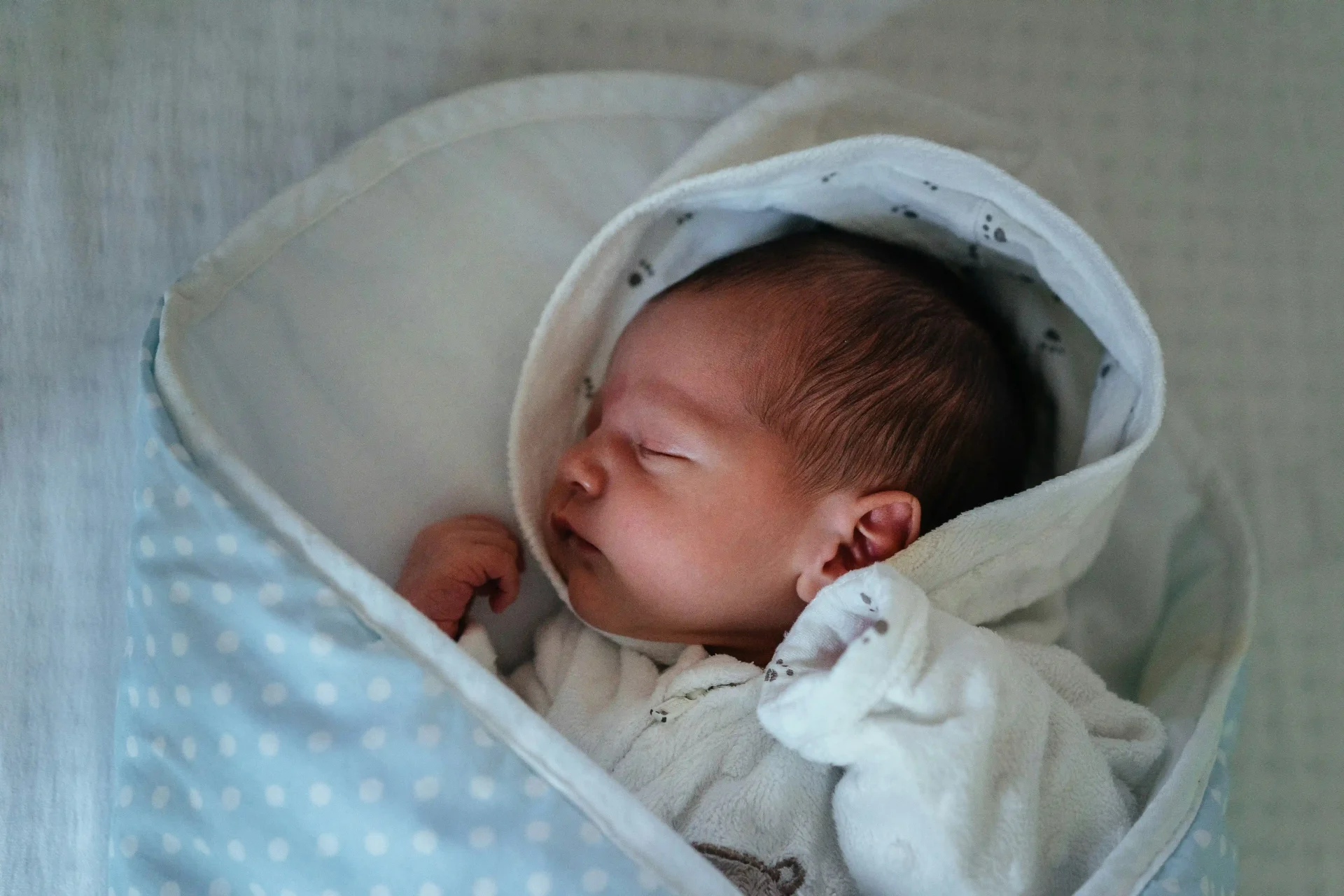
Eye pressure falls naturally during pregnancy
Female hormones, which increase during pregnancy, have the effect of lowering eye pressure.
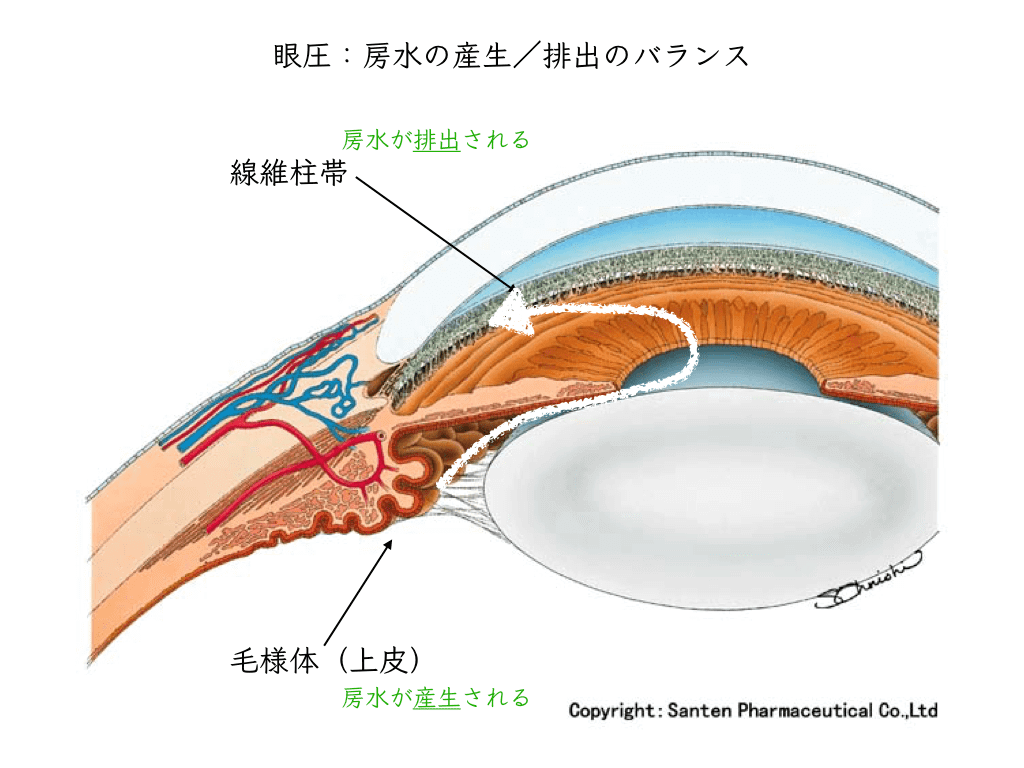
They act on the trabecular meshwork, the drainage pathway for fluid in the eye, and improve outflow2-4。
• Progesterone (the corpus luteum hormone)
acts as an antagonist (has the opposite action) to the body’s adrenal corticosteroids3。
• Human chorionic gonadotropin (hCG)
• Estrogen
Keeping the above in mind, a target eye pressure is set.
Anti-glaucoma drugs during pregnancy and breastfeeding: all carry some risk
Regarding the risks of anti-glaucoma drugs used during pregnancy and breastfeeding,the clear-cut FDA classification has been withdrawn.
In 1979, the FDA established a risk classification for glaucoma drugs.
It is no longer used, but because it is easy to understand, it is cited in many publications.
Because it is easy to understand, it has the problem of causing misunderstandings.
○: Confirmed to have no effect on the fetus
A: Animals ○, Humans ○
B: Animals ○, Humans (?) unknown
C: Animals X, Humans (?) unknown
D: Humans X. Dangerous, but used when the mother’s eye is judged to be more important
Risk to the baby < protecting the mother’s eye
when this is the judgment
X: Humans X. The danger to the pregnant woman clearly outweighs the benefit
https://www.drugs.com/pregnancy-categories.html
Most anti-glaucoma drugs were classified as categoryC.
The classification was revised in 2015 and changed to individual statements for each drug.
This standard is no longer used, but
“all anti-glaucoma drugs carry some risk during pregnancy and breastfeeding”is how we judge it.
The latest Japanese glaucoma guidelines1(5th edition; published February 2022) state the following.
BQ1(Answer):
How should primary open-angle glaucoma (POAG) be treated with drugs during pregnancy, delivery and breastfeeding?
In principle, glaucoma drug treatment is discontinued during pregnancy, delivery and breastfeeding.
At present, there is no glaucoma drug whose safety has been established for pregnant women, fetuses or breastfeeding.
Eye pressure often falls during pregnancy, but if stopping the drugs worsens eye pressure control, laser treatment or surgery should be considered.
Glaucoma treatment before and during pregnancy: usefulness of SLT
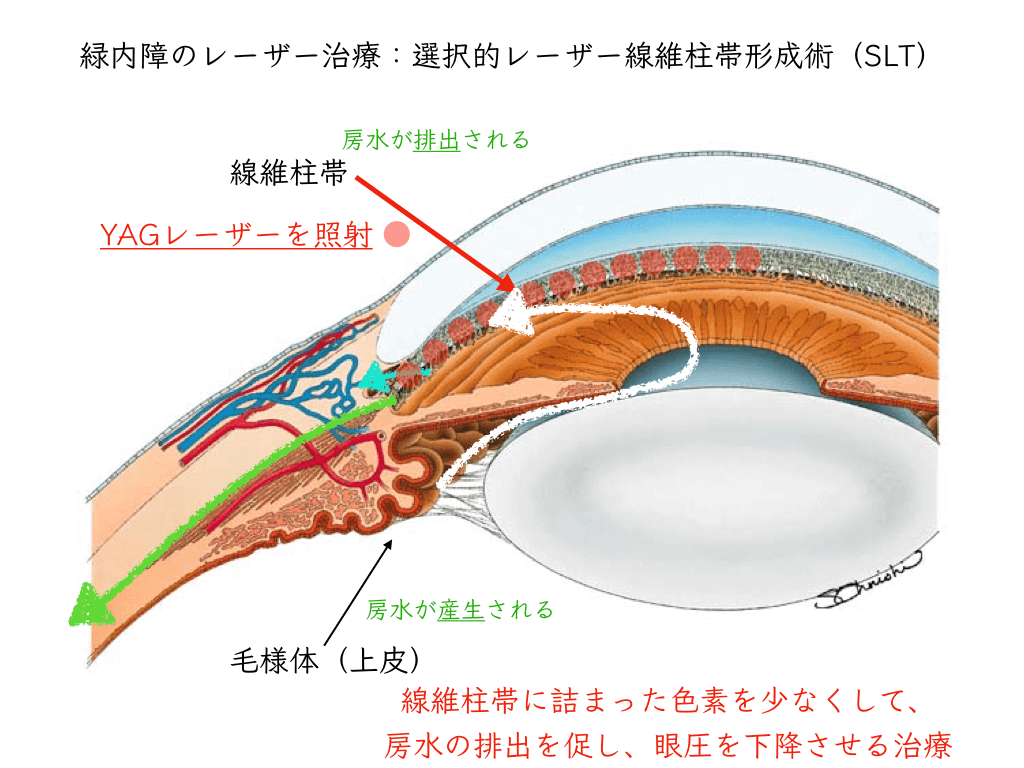
“If I stop my glaucoma drops, my eye pressure will go up.”
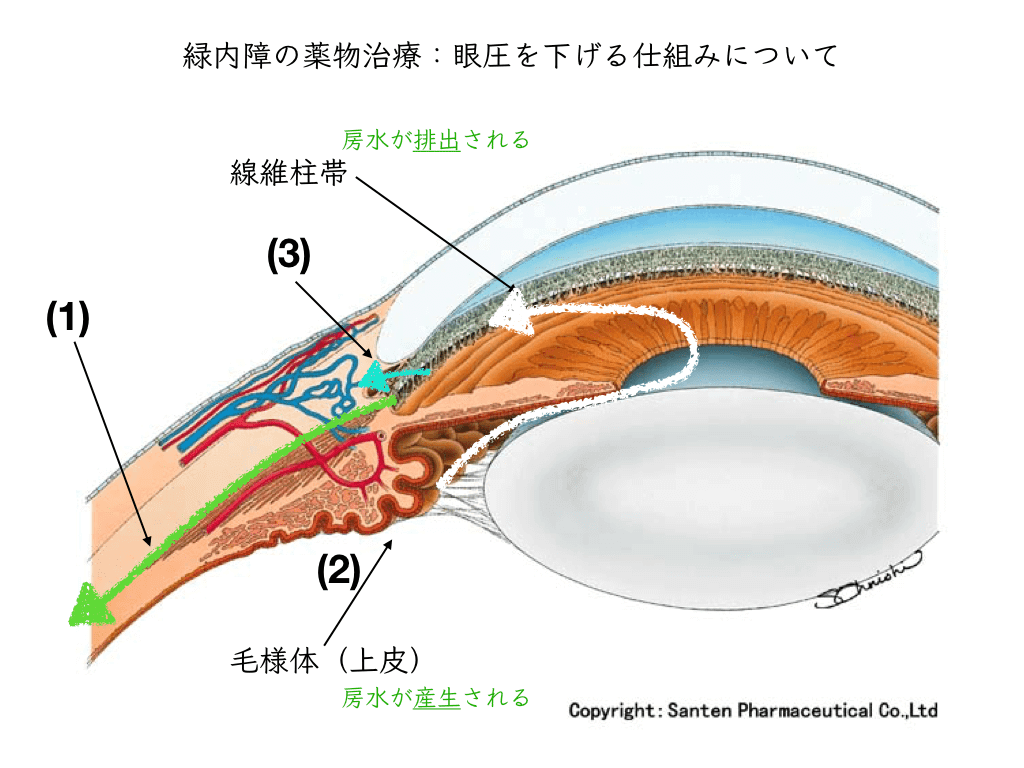
SLT (selective laser trabeculoplasty)treatment may make it possible to reduce the glaucoma eye drops you need.5。
It is a safe treatment, not surgery, that can be done as an outpatient before and during pregnancy.
What is SLT?
A treatment that lowers eye pressure by treating the trabecular meshwork, the drainage pathway for fluid in the eye, with low energy.
It has been in use for more than 20 years, and one of the world’s most trusted medical journals, “The Lancet6,” has also reported its effectiveness.
If eye pressure falls as planned, glaucoma eye drops can be stopped or reduced.
Whether SLT is suitable is judged by looking at the angle, a part of the shape of the eye.
Glaucoma management in pregnancy and breastfeeding: why the FDA classification changed
Pregnant women also face the following risks:
Epilepsy
Diabetes
Hypertension (high blood pressure)
Asthma
The risk of these also rises with age.
It is not simple for any individual.
Risk or benefit—which to choose:
Information on pregnancy and breastfeeding pregnancy and lactation information
It was held that standards that are available and understandable are important.
The old A, B, C, D, X classification was simple and easy to understand, but
• it leads to misunderstanding (misinformation)
• it does not lead to appropriate information on the specific risks of each drug
were seen as problems.
https://www.drugs.com/pregnancy-categories.html
For all drugs approved after June 30, 2015, new pregnancy and lactation subsections are required.
Glaucoma management in pregnancy and breastfeeding: the FDA’s new standard from 2015
The old categories A, B, C, D and X are no longer used.
Instead, each drug now has its own individual description.
Pregnancy and Lactation Labeling Final Rule(PLLR)
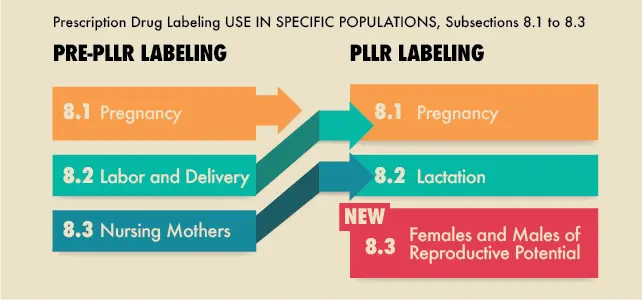
It consists of the following three categories.
Pregnancy and delivery:Pregnancy (includes Labor and Delivery)
- Pregnancy exposure registry
- Risk summary
- Clinical considerations
- Data
Mother and fetus: potential risk depending on the drug dose.
Lactation:Lactation (includes Nursing Mothers)
- Risk summary
- Clinical considerations
- Data
Previously this was described as “Nursing Mothers.”
Points to note during breastfeeding: from the viewpoints of results in humans and animal studies, and pharmacokinetics.
Females and males of reproductive potential (planning pregnancy):Females and Males of Reproductive Potential
- Pregnancy testing
- Contraception
- Infertility
Effects of drugs on pregnancy testing, contraception and infertility treatment.
As above, standards are set for each category, which makes things very complicated.
A specific treatment plan is required.
Glaucoma management in pregnancy and breastfeeding: a specific treatment plan
From the 2021 review7, here is
a specific treatment plan for glaucoma management during pregnancy and breastfeeding.
Before pregnancy Before conception
- Explain the risks of anti-glaucoma drugs and the plan for follow-up during pregnancy to the patient.
- Perform a comprehensive ophthalmic examination.
- Stage the glaucoma and set a target eye pressure.
- If needed, perform laser or surgical treatment before pregnancy.
Early pregnancy First trimester
- Stop anti-glaucoma drugs / add brimonidine (Aiphagan®) / occlude the lacrimal puncta.
- Starting treatment with prostaglandin-related drugs is not recommended.
(Xalatan®, Tapros®, Lumigan®, Travatans®, bimatoprost, etc., and
combination products containing a PG: Mikeluna®, Xalacom®, Tapcom®, etc.) - Surgery is not recommended because of the risk of teratogenic side effects and preterm birth.
Second trimester Second trimester
- Treatment with brimonidine (Aiphagan®) as the first choice.
- Beta-blockers as the second choice: add them only if judged absolutely necessary.
(Mikelan®, Timoptol®, etc., and combination products containing a beta-blocker)
The pregnant woman and the fetus must be observed carefully. - Prostaglandin (PG)-related drugs are the third choice, but carry a risk of preterm birth.
- When adding a new drug is recommended, administer it after obtaining approval from the obstetrician and neonatologist.
Third trimester Third trimester
- From 36–37 weeks of pregnancy,
it is said that when the fetus is exposed to the various bioactive substances contained in drugs, lethargy follows the symptoms seen at birth. - Brimonidine (Aiphagan®) is stopped.
- Beta-blockers can cause fetal arrhythmia, bradycardia, hypotension and central nervous system depression.
Fetal arrhythmia, bradycardia, hypotension and central nervous system depression may occur. - Prostaglandin (PG)-related drugs increase the risk of preterm birth (premature delivery).
- The carbonic anhydrase inhibitor dorzolamide (Azopt®, Trusopt®, etc.) causes severe metabolic acidosis in newborns.
- SLT (selective laser trabeculoplasty) for glaucoma can be performed at any stage of pregnancy.
Although eye pressure rises again in 2–3 years after these treatments, they can keep eye pressure stable until the end of pregnancy, when other treatments become possible.
At delivery Birth
- 25% of obstetricians and 3.6% of ophthalmologists recommend cesarean delivery for patients with glaucoma.
- The reason is that the Valsalva maneuver during vaginal delivery can adversely affect the mother’s eye pressure.
(Straining raises eye pressure)
After delivery Postpartum
- Brimonidine (Aiphagan®) is contraindicated because it causes central nervous system depression.
- Beta-blockers (Mikelan®, Timoptol®, etc.) should be given with caution to mothers of newborns with congenital heart disease.
- Prostaglandin-related drugs (Xalatan®, Tapros®, Lumigan®, Travatans®, bimatoprost, etc.) have a very short half-life, so giving them right after breastfeeding can reduce the newborn’s exposure.
- Carbonic anhydrase inhibitors (Azopt®, Trusopt®, etc.), topical and systemic: no systemic side effects have been observed.
Using the above as a reference, our clinic considers each case together with the patient.
References
- Japan Glaucoma Society Glaucoma Guidelines Revision Committee. Journal of the Japanese Ophthalmological Society 126(2):85-177, 2022 (in Japanese).
- Anton, N., Doroftei, B., Ilie, O.-D., Ciuntu, R.-E., Bogdănici, C.M., Nechita-Dumitriu, I., 2021. A Narrative Review of the Complex Relationship between Pregnancy and Eye Changes. Diagnostics 11, 1329. https://doi.org/10.3390/diagnostics11081329
- Paterson, G.D., Miller, S.J.H., 1963. Hormonal Influence in Simple Glaucoma: A Preliminary Report. British Journal of Ophthalmology 47, 129–137. https://doi.org/10.1136/bjo.47.3.129
- Treister, G., Mannor, S., 1970. Intraocular Pressure and Outflow Facility: Effect of Estrogen and Combined Estrogen-Progestin Treatment in Normal Human Eyes. Archives of Ophthalmology 83, 311–318. https://doi.org/10.1001/archopht.1970.00990030313008
- Mathew, S., Harris, A., Ridenour, C.M., Wirostko, B.M., Burgett, K.M., Scripture, M.D., Siesky, B., 2019. Management of Glaucoma in Pregnancy. J Glaucoma 28, 937–944. https://doi.org/10.1097/IJG.0000000000001324
- Gazzard, G., Konstantakopoulou, E., Garway-Heath, D., Garg, A., Vickerstaff, V., Hunter, R., Ambler, G., Bunce, C., Wormald, R., Nathwani, N., Barton, K., Rubin, G., Buszewicz, M., Ambler, G., Barton, K., Bourne, R., Broadway, D., Bunce, C., Buszewicz, M., Davis, A., Garg, A., Garway-Heath, D., Gazzard, G., Hunter, R., Jayaram, H., Jiang, Y., Konstantakopoulou, E., Lim, S., Liput, J., Manners, T., Morris, S., Nathwani, N., Rubin, G., Strouthidis, N., Vickerstaff, V., Wilson, S., Wormald, R., Zhu, H., 2019. Selective laser trabeculoplasty versus eye drops for first-line treatment of ocular hypertension and glaucoma (LiGHT): a multicentre randomised controlled trial. The Lancet 393, 1505–1516. https://doi.org/10.1016/S0140-6736(18)32213-X
- Anton, N., Doroftei, B., Ilie, O.-D., Ciuntu, R.-E., Bogdănici, C.M., Nechita-Dumitriu, I., 2021. A Narrative Review of the Complex Relationship between Pregnancy and Eye Changes. Diagnostics 11, 1329. https://doi.org/10.3390/diagnostics11081329


 ポチップ
ポチップ