![Takeru Eye Clinic | Takatori Shopping Street, Sawara-ku, Fukuoka City [Nishijin Station / Fujisaki Station]](https://takeru-eye.com/wp-content/uploads/2022/10/takeru_logo_for-WP-header.png)

I sometimes receive consultations from families who say, “The nursery school (kindergarten) told us to take my child’s glasses off.”
Who is responsible if the glasses break? Could it lead to injuries to the children?
I imagine it is also very hard for the teachers.
The position of nursery schools (kindergartens), which put children’s safety first, is also important.
The role of glasses in amblyopia treatment is not merely to assist vision; the glasses are the treatment itself.
Here I write about the importance of glasses for children with amblyopia and how nursery schools (kindergartens) can respond.
Glasses as a Treatment Tool That Develops a Child’s “Ability to See”
Amblyopia means “it is hard to see even with glasses”:
It refers to a condition in which visual acuity has not developed sufficiently even though there is no obvious abnormality in the structure of the eye.
In many cases it starts when a refractive error such as hyperopia or astigmatism makes the image reaching the brain blurred.
A child’s vision develops gradually after birth and is said to be complete by around age 8.
During this period, the brain develops the “ability to see” based on the visual information sent from the eyes.
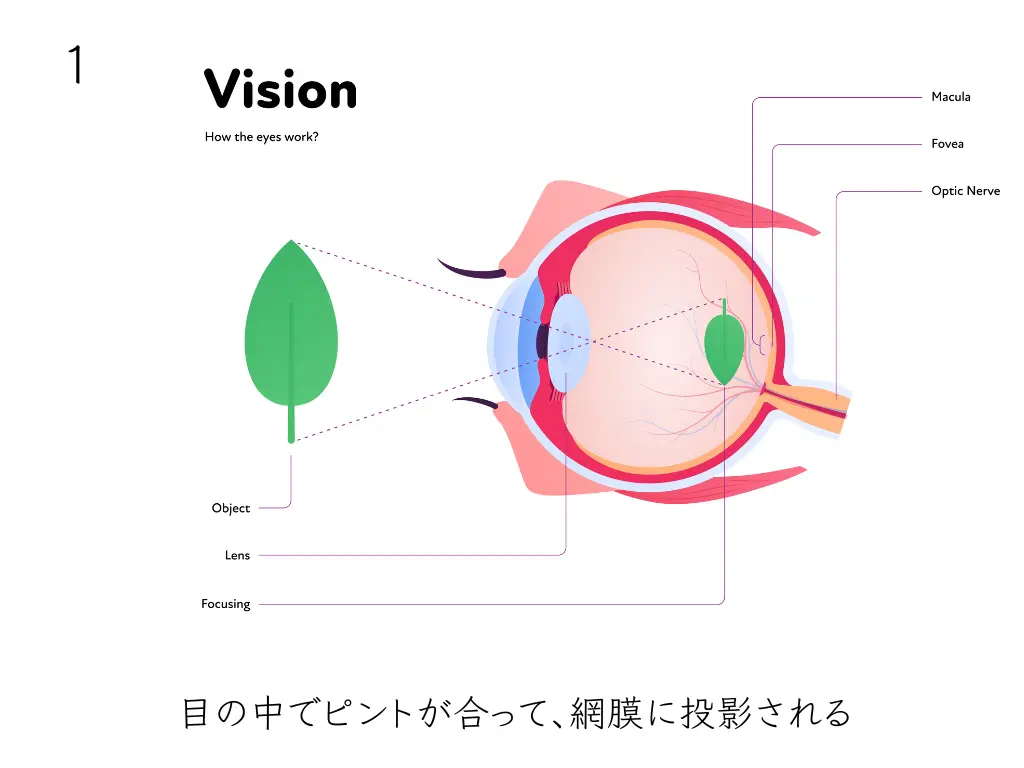
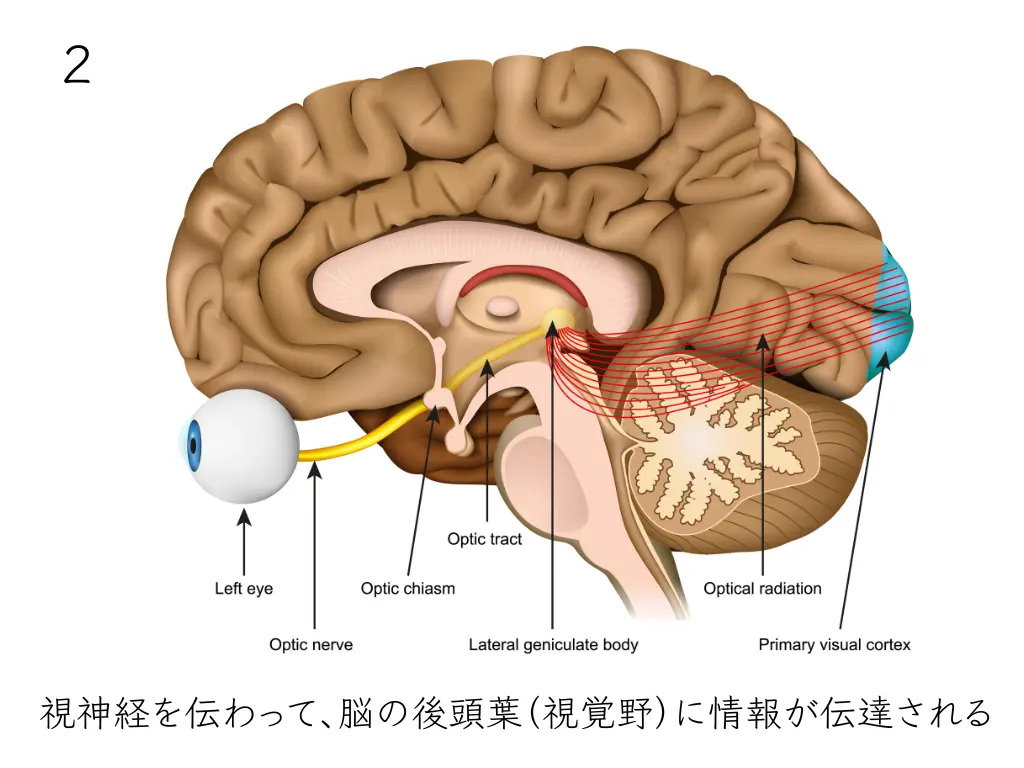
Delivering a clear image to the brain during this important period of development affects future vision.
For a child with amblyopia, glasses are not simply “a tool to help them see better.”
By continuously sending a clear image to the brain through the glasses, they are the treatment itself that promotes the development of vision.
The time the glasses are worn is the treatment time.
Why It Is Important to Keep Wearing Glasses at Nursery School Too

Children spend long hours at nursery school (kindergarten).
If the glasses are taken off during that time, the treatment effect is greatly reduced.
The child may also come to dislike wearing glasses at home.
The early childhood years in particular are an important period for visual development,
and if this period is missed, it may become difficult to recover vision in the future.
Specifically, continuing to wear glasses at nursery school (kindergarten) is recommended for the following reasons:
- A time limit for visual development:
A child’s visual development has a limited window called the “sensitive period.” It is important to provide appropriate treatment within this period. - Continuous stimulation of the brain:
For vision to develop, it is essential to keep sending clear images to the brain. Intermittent wearing does not give a sufficient effect. - Development of binocular vision:
Wearing glasses regularly allows the function of seeing with both eyes to develop normally as well. This plays an important role in many situations in daily life. - Effect on learning:
If poor vision continues, it may also affect how the child perceives the surrounding environment and learns.
In October 2023, five medical organizations, including the Japanese Ophthalmological Society, issued a statement, “To Kindergartens, Nursery Schools, and Certified Centers for Early Childhood Education and Care: A Request Regarding Eyeglass Wearing by Children with Amblyopia or Strabismus,” stressing the importance of wearing glasses in childcare facilities.
https://www.nichigan.or.jp/news/detail.html?itemid=675&dispmid=1050&TabModule796=0

Japanese Ophthalmological Society, Japan Ophthalmologists Association, Japanese Association of Pediatric Ophthalmology, Japanese Association of Strabismus and Amblyopia, Japanese Orthoptic Association
Addressing the Safety Concerns of Nursery Schools

Could it be that the background to nursery school teachers restricting glasses wearing is concern about accidents and breakage?
But today, many safety-conscious glasses for children have been developed.
- Elastic frames:
“Tomato Glasses®” are made of the same material as baby bottles (a material also used in medical catheters) and are excellent in elasticity that absorbs impact. - Ultra-lightweight design:
Children’s glasses are very light; for example, the baby model of Tomato Glasses® weighs only about 6.3 to 6.5 g, greatly reducing the burden on the child. - Flexible materials:
Frames made of soft materials reduce the risk of injury in the event of a collision. - Sturdy construction:
More and more glasses are designed with special durability in the hinge, the part that tends to break. - Beta-titanium frames:
They are resistant to impact and may be safer than plastic frames in some cases. - Adjustability:
Many children’s glasses have features that allow adjustment of the temple length and nose pad height, making it possible to fit them as the child grows. - Dedicated bands:
To cope with active movement and heavy lenses, many children’s glasses come with a dedicated band, which gives peace of mind during sports. - Material safety:
Great care is also taken over the safety of materials, such as the use of FDA-approved non-toxic materials.
By choosing such safety-conscious glasses, the concerns of the nursery school may be eased.
Communication with the Nursery School (Kindergarten): Building a Smooth Relationship

When a child who wears glasses attends a nursery school (kindergarten), it is important for the parents and the school to discuss several points in advance.
1. Convey the importance of the glasses
Please explain carefully the role of glasses in amblyopia treatment and the importance of wearing them for as long as possible.
You may also find the following links useful:
2. Agree on when the glasses will be taken off
Wearing the glasses during all activities is ideal, but for times when they unavoidably have to come off, such as water play, the pool, and nap time, discuss the timing in advance.
Even for activities such as gymnastics, the child can often keep wearing glasses if the glasses are safe.
3. Discuss how to respond if the glasses break
Agreeing in advance on how to respond if the glasses should break can prevent trouble later.
If too much responsibility is asked of the nursery school (kindergarten), it may become reluctant to have the child wear glasses.
I hope you can keep a flexible approach in mind.
What the Adults Around the Child Can Do for the Child’s Future

Treatment of amblyopia requires the cooperation not only of the ophthalmologist but also of the parents, the nursery school teachers, and the other adults around the child.
For the sake of the child’s visual development, attitudes like the following may be important:
- Understanding and cooperation:
Understand the importance of amblyopia treatment and actively support wearing glasses. - Positive encouragement:
Speak positively about wearing glasses. - Understanding in the group:
Explain the need for glasses appropriately to the other children as well, and encourage their understanding. - Regular eye examinations:
Have regular eye examinations to check the progress of treatment.
Summary: Continuous Glasses Wear Supports a Child’s Visual Development

For a child with amblyopia, glasses are an important treatment tool for developing the “ability to see.”
Wearing glasses for long hours at nursery school (kindergarten) is essential to maximize the treatment effect.
By choosing safety-conscious glasses and communicating carefully with the nursery school in advance, the child can lead a comfortable life at nursery school while continuing effective amblyopia treatment.
The “time limit”: a child’s visual development has only a limited time.
During that important period, the adults around the child supporting the child’s “ability to see” together will lead to good vision in the future.
By letting children see the beautiful world through their glasses,
I wish for the healthy growth of both the hearts and the eyes of children.