![Takeru Eye Clinic | Takatori Shopping Street, Sawara-ku, Fukuoka City [Nishijin Station / Fujisaki Station]](https://takeru-eye.com/wp-content/uploads/2022/10/takeru_logo_for-WP-header.png)

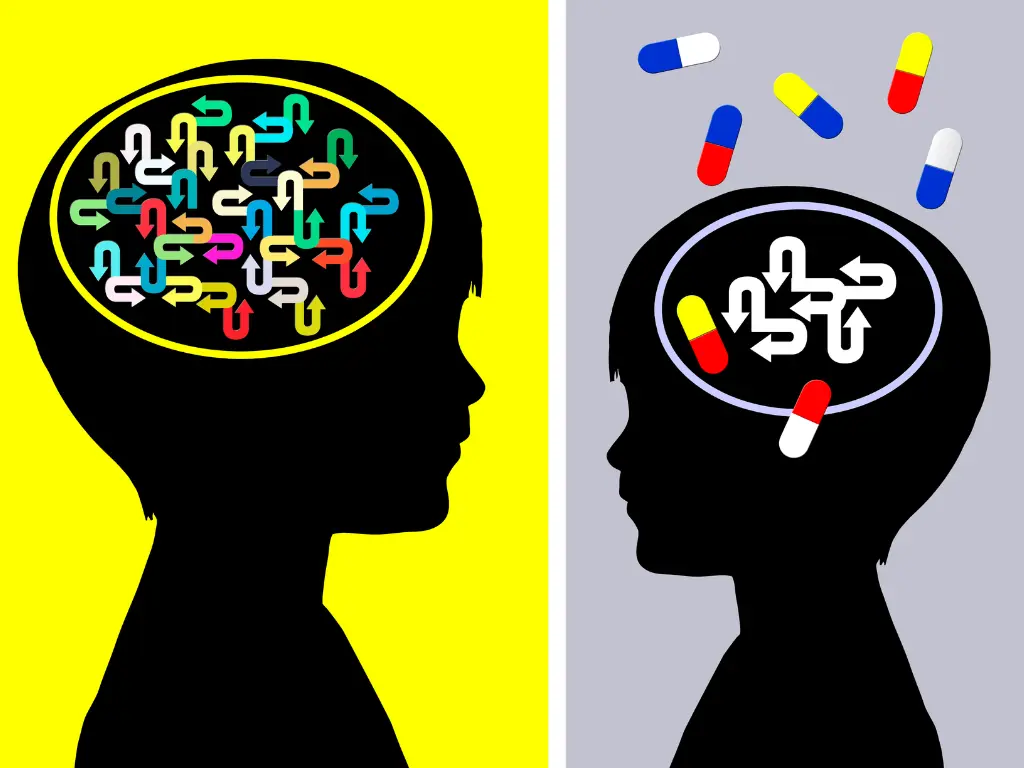
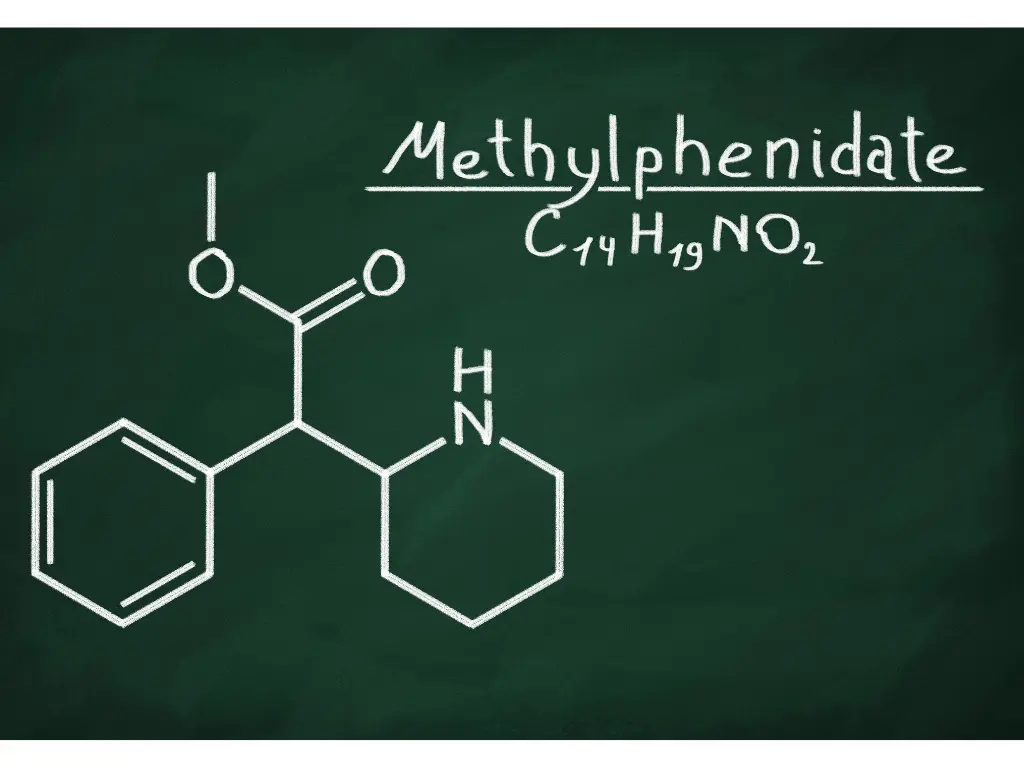
Methylphenidate (Concerta®) plays an important role in the treatment of attention-deficit/hyperactivity disorder (ADHD).
It is known to cause side effects such as difficulty focusing the eyes3.
Glaucoma is also an eye side effect of Concerta®.
A large study published in 2024
has revealed that ADHD medications may increase the risk of glaucoma1.
In addition to Concerta®, Strattera® and Adderall® are also described.
Methylphenidate
- Brand names: Concerta®, Ritalin®
- Open-angle glaucoma risk: 23% increase (aIRR 1.23)
- Use: central nervous system stimulant / first-line ADHD medication
Atomoxetine
- Brand name: Strattera®
- Angle-closure glaucoma risk: 2.55 times the incidence rate (aIRR 2.55)
- Use: non-stimulant
Amphetamine
- Brand name: Adderall® (not approved in Japan)
- Angle-closure glaucoma risk: increased 2.27-fold (aIRR 2.27)
- Use: central nervous system stimulant
Methylphenidate works by inhibiting the reuptake of dopamine and norepinephrine. These neurotransmitters are also involved in regulating eye pressure, and interference with them may increase the risk of glaucoma1.
What to keep in mind when using ADHD medications is
that the effect of increasing glaucoma risk may appear regardless of the dose.
Concerta® for ADHD: Side Effects That May Raise Glaucoma Risk
Details of the Study: Concerta® May Raise Glaucoma Risk
In a large cohort study published in 2024 (240,257patients with ADHD), the following increases in risk were found:
- Methylphenidate users: open-angle glaucomarisk increased by 23%
(adjusted incidence rate ratio [aIRR] 1.23; 95% confidence interval 1.05–1.59) - Atomoxetine users: angle-closure glaucomarisk increased 2.55-fold
(aIRR 2.55; 95% confidence interval 1.20–5.43) - Amphetamine users: angle-closure glaucomarisk increased 2.27-fold
(aIRR 2.27; 95% confidence interval 1.42–3.63)
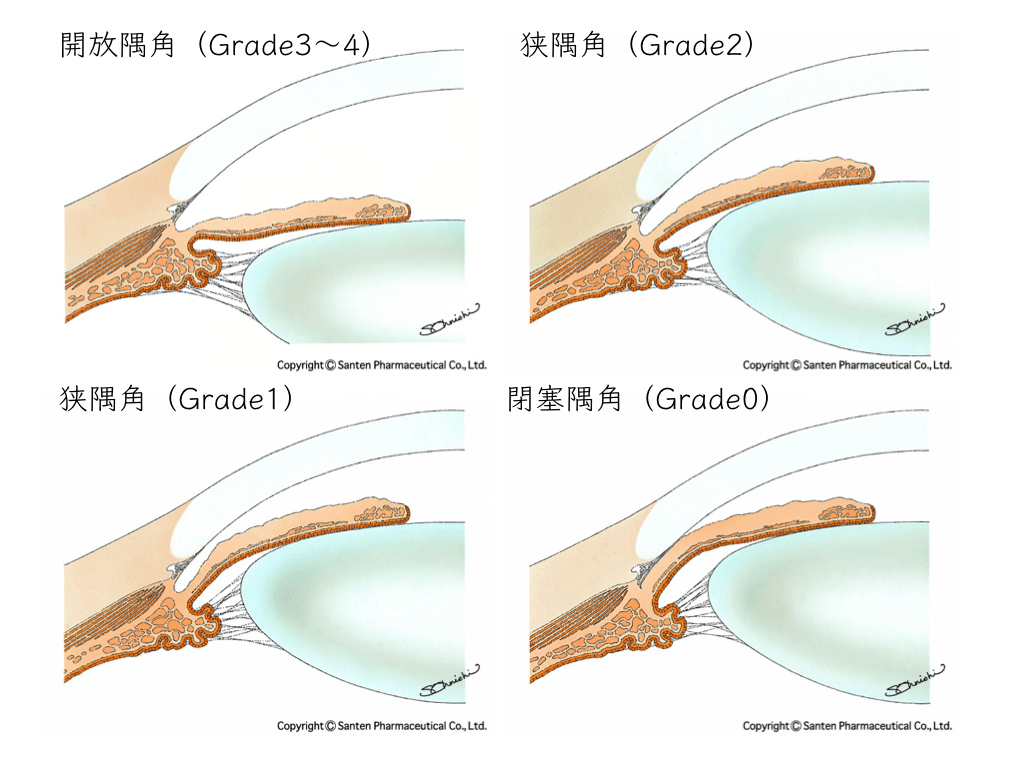
The aIRR (adjusted incidence rate ratio) indicates the ratio of the incidence of a disease attributable to a specific factor after statistically adjusting for the influence of other factors (such as age, sex, and comorbidities).
Example: An aIRR of 2.55 means that, after adjusting for other factors, the incidence of the disease is 2.55 times higher in the group using the drug than in the group not using it.
When the 95% confidence interval (CI) does not include 1 (for example, 1.20–5.43), the association is judged to be statistically significant.
の影響を統計的に補正した後の、特定の要因による疾患発生率の比率を示します。-visua-1024x605.webp)
Breakdown of drug use among the patients studied (mean age 45 years, 55% women):
- Amphetamine: 44.54%
- Methylphenidate: 33.82%
- Atomoxetine: 6.59%
- Multiple drugs used together: 15.04%
What to Watch For While Using ADHD Medications: Clinical Observation and Response
Elevated eye pressure and the onset of glaucoma with methylphenidate (Concerta®) have been described in case reports.
In a reported case, a 10-year-old boy who had used methylphenidate at 60 mg/day for 2 years developed reduced vision in both eyes, and his eye pressure rose to 30 mmHg even with eye drop treatment.

This patient had posterior subcapsular cataract and advanced glaucoma, was resistant to eye drop treatment, and required glaucoma surgery (Lu et al., 2006)2.
This strongly suggests the need for regular eye examinations while using ADHD medications.
Recommended Preventive Approach
Given how widely ADHD medications are used, the researchers point out that the association between these drugs and glaucoma risk has public health significance. Regular monitoring is important, and the following measures are recommended:
- Eye pressure measurement once a year
- Detailed examination when eye symptoms are present
- Follow-up through regular eye examinations
- Special attention for patients with risk factors
Concerta® for ADHD: Side Effects That May Raise Glaucoma Risk
It has become clear that glaucoma risk rises in users of ADHD medications, to differing degrees depending on the type of drug.
While maintaining the effectiveness of treatment, regular follow-up in eye care is important.
References
1. Darwich, R., Etminan, M., He, B., Eadie, B.D., 2024. Medications for attention deficit hyperactivity disorder associated with increased risk of developing glaucoma. Eye 38, 2638–2643. https://pubmed.ncbi.nlm.nih.gov/38710937/
2. Lu, C.-K., Kuang, T.-M., Chou, J.C.-K., 2006. Methylphenidate (Ritalin)-associated cataract and glaucoma. J Chin Med Assoc 69, 589–590. https://pubmed.ncbi.nlm.nih.gov/17182354/
3. Soyer, J., Jean-Louis, J., Ospina, L.H., Bélanger, S.A., Bussières, J.F., Kleiber, N., 2019. Visual disorders with psychostimulants: A paediatric case report. Paediatr Child Health 24, 153–155. https://pubmed.ncbi.nlm.nih.gov/31110455/