![Takeru Eye Clinic | Takatori Shopping Street, Sawara-ku, Fukuoka City [Nishijin Station / Fujisaki Station]](https://takeru-eye.com/wp-content/uploads/2022/10/takeru_logo_for-WP-header.png)

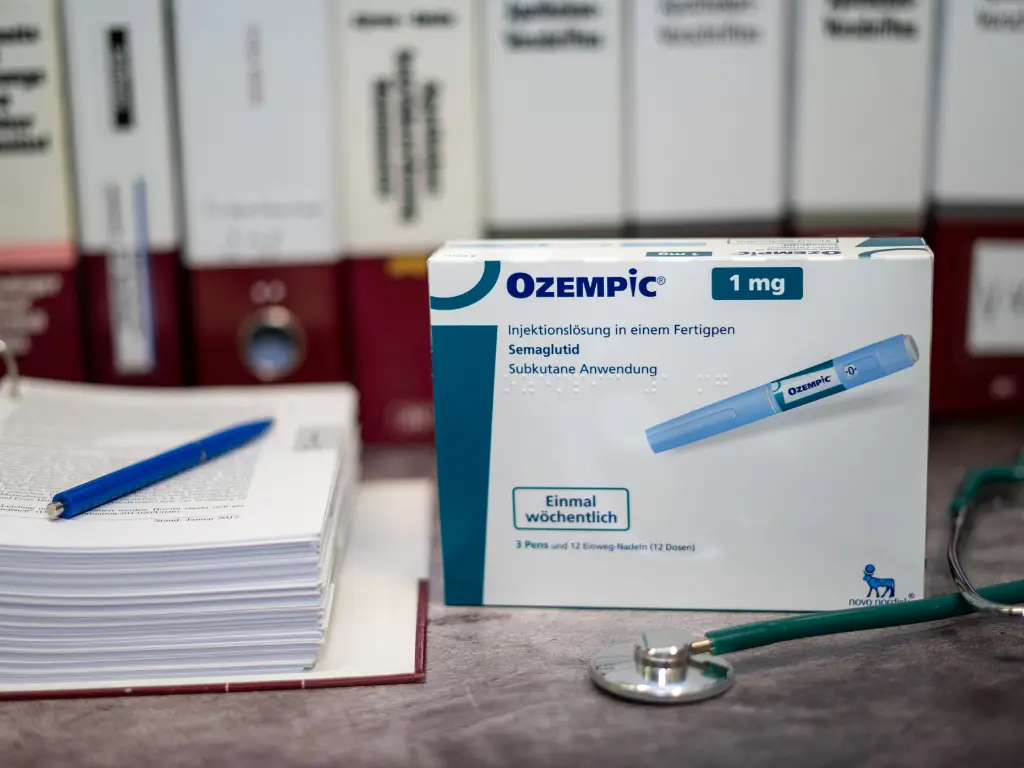
There are two distinct topics concerning GLP-1 receptor agonists (Ozempic®, Wegovy®, Mounjaro®, and others) and the eyes: (1) a temporary worsening (early worsening) of diabetic retinopathy that accompanies a rapid improvement in blood glucose, and (2) NAION, an optic nerve disease that the European Medicines Agency (EMA) has concluded is a “very rare side effect.” Please do not stop your medication on your own, and see an eye doctor early if your vision changes suddenly.
NAION and Diabetic Retinopathy: Not to Be Confused (Updated 2026)
Online, you may see alarming statements such as “GLP-1 drugs cause blindness,” but the condition being talked about, NAION (non-arteritic anterior ischemic optic neuropathy), and the long-known early worsening of diabetic retinopathy, are completely different phenomena. It is important to understand them separately.
- NAION:A disease in which impaired blood flow to the optic nerve causes a relatively sudden loss of vision or a visual field defect in one eye. In 2025, the Pharmacovigilance Risk Assessment Committee (PRAC) of the European Medicines Agency (EMA) concluded that NAION is a “very rare” side effect of semaglutide (Ozempic®, Rybelsus®, Wegovy®). The assessment of causality is ongoing, and the absolute risk is considered small.
- “Early worsening” of diabetic retinopathy: As explained in this article, this is a phenomenon in which existing retinopathy can temporarily worsen when blood glucose improves rapidly. It is thought to be related to the speed of glucose lowering rather than being specific to any one drug. In the long term, improved glycemic control lowers the risk of retinopathy.
- When to see a doctor: A sudden loss of vision or visual field defect in one eye (possibly an emergency condition, including NAION) calls for an eye-clinic visit the same day. If you have diabetes and are using a GLP-1 drug, we recommend regular fundus examinations even without symptoms. Please do not stop or change your medication on your own without consulting your prescribing doctor.
Primary sources: EMA (European Medicines Agency): PRAC concludes NAION is a very rare side effect of semaglutide medicines/PMDA Search for Prescription Drug Information (latest information on Japanese package inserts)(Information checked: August 19, 2026)
Ozempic®, Victoza®, Trulicity®, Byetta®, Lyxumia®, Bydureon®, and others,
GLP-1 receptor agonists have become widely used as diabetes drugs.
Mounjaro®, unlike these drugs, is attracting attention as a new type of drug (a dual agonist) that acts on both the GLP-1 receptor and the GIP receptor.
In particular, because of its strong weight-loss effect, it has drawn great interest as a “diet drug.”
Japan Diabetes Society: List of Insulin Preparations and GLP-1 Receptor Agonists
https://www.jds.or.jp/uploads/files/education/insulin_glp-1_list_2024.pdf
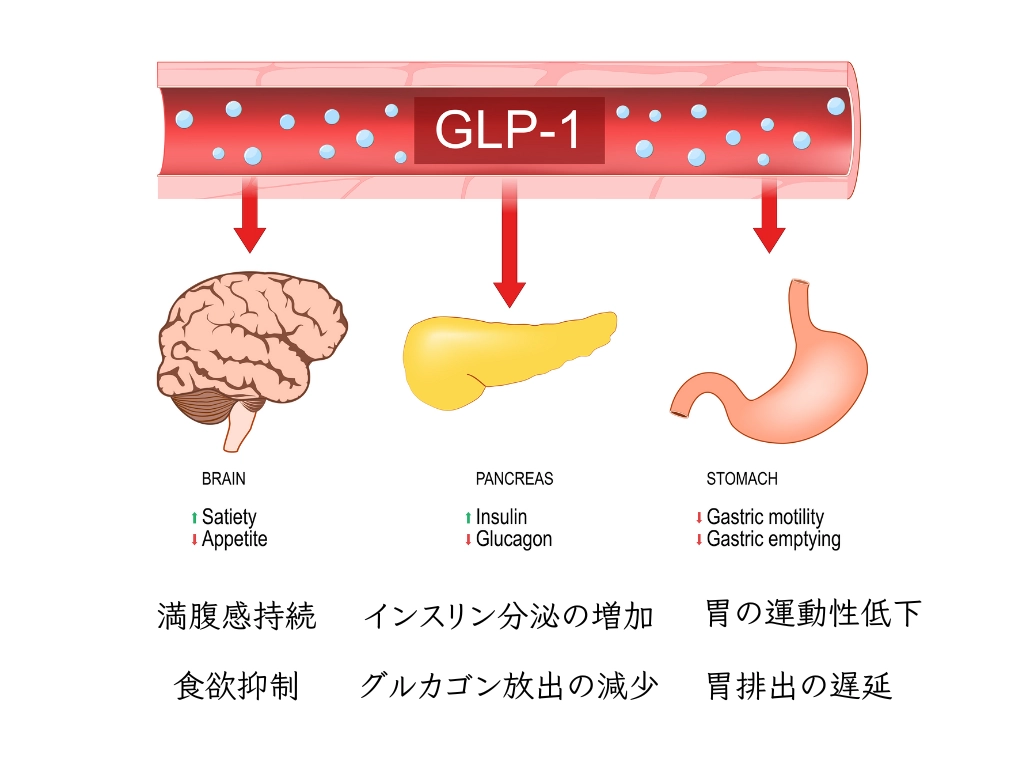
GLP-1 is a hormone that promotes insulin secretion from the pancreas. Normally, GLP-1 increases after a meal and acts to lower blood glucose.
In patients with diabetes, however, GLP-1 secretion is insufficient, so blood glucose tends to rise.
GLP-1 receptor agonists enhance the action of GLP-1.
On the other hand, it is well known that lowering blood glucose rapidly can temporarily worsen diabetic retinopathy in the short term.

There are many clinical studies on GLP-1 receptor agonists and cardiovascular outcomes.
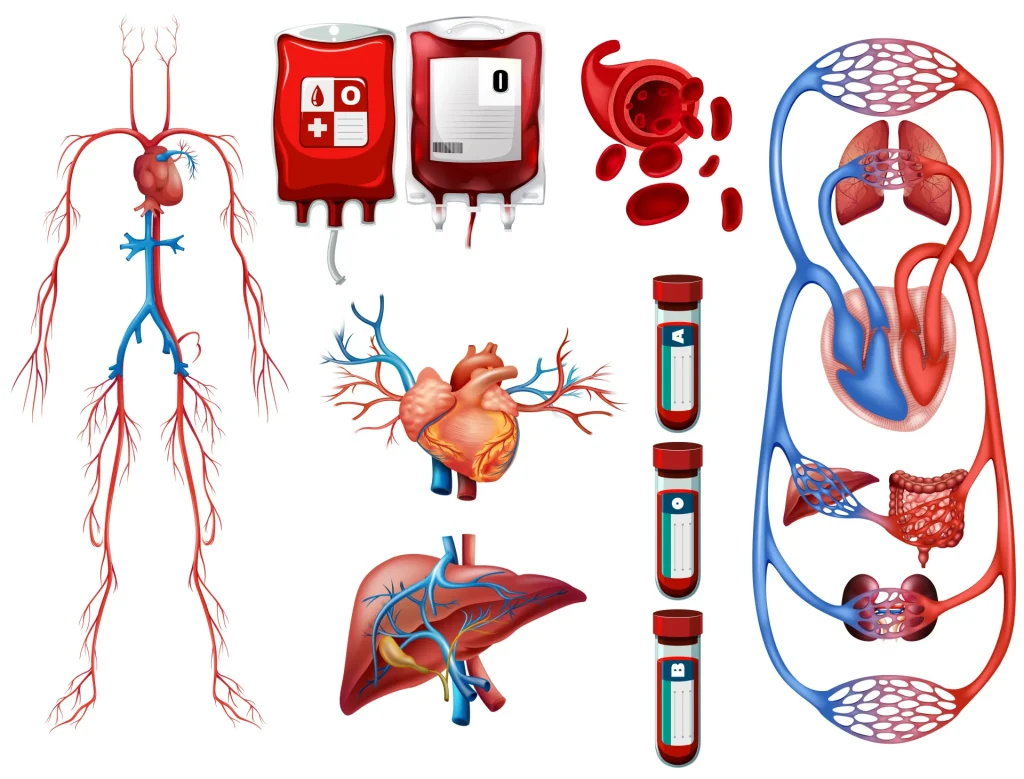
The blood vessels of the retina are much thinner than those of the heart.
The retinal vessels are the only blood vessels in the body that can be seen directly.
For this reason, fundus findings (the retinal vessels) are known to be a useful reference for the cardiovascular system.
What happens to the eyes when blood glucose is lowered rapidly?
The latest meta-analysis (2023)1, GLP-1 receptor agonists were not shown to significantly increase the long-term risk of diabetic retinopathy (results vary by study).
Fundus examinationis important.
Here is a meta-analysis that evaluated GLP-1 receptor agonists and diabetic retinopathy using the results of cardiovascular clinical studies.2。
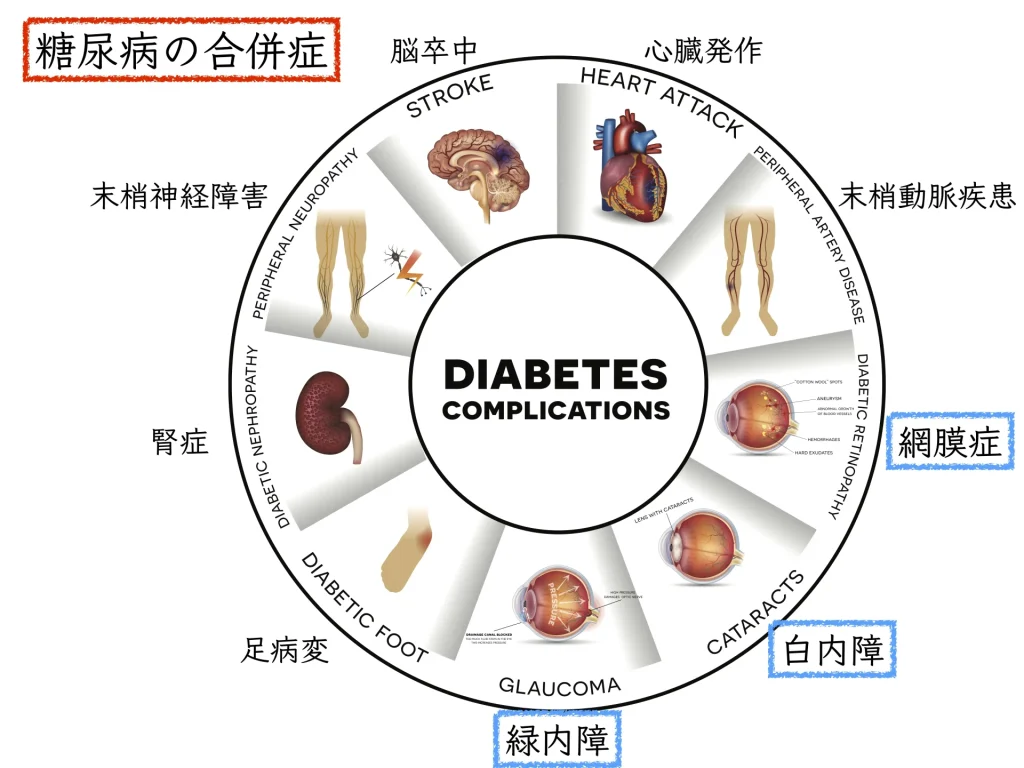
GLP-1 Receptor Agonists: Effects on Diabetic Retinopathy (Side Effects)

What is a meta-analysis?

A meta-analysis is a way of quantitatively and scientifically combining the results of research studies.
The term meta-analysis and this new approach to summarizing research appeared in the 1970s.
Since then, meta-analysis has had a revolutionary effect in many scientific fields, helping to establish evidence-based practice and to resolve seemingly contradictory study results.3。
What are GLP-1 receptor agonists?
GLP-1 (glucagon-like peptide-1) is produced in the intestine in response to food intake and plays an important role in regulating blood glucose.
GLP-1 receptor agonists (GLP-1 RAs) are drugs used to treat type 2 diabetes; the name is an abbreviation of “glucagon-like peptide-1 receptor agonist.”
These drugs mimic the action of glucagon-like peptide-1 (GLP-1), a naturally occurring hormone in the body.
GLP-1 receptor agonists are drugs that treat patients with type 2 diabetes.
Through the mechanism of action shown in the figure, they control blood glucose and contribute to stabilizing it.
Their weight-loss effect is also important, and they are expected to contribute to improving metabolic syndrome in patients with type 2 diabetes.
There have also been a series of reports that GLP-1 has anti-inflammatory effects.4。
GLP-1 receptor agonists are also known as “diet drugs,” “obesity drugs,” and drugs that are “effective for dieting.”5。
Considering the effects on the eyes (retina), it is important to use them exactly as directed by your doctor.
GLP-1 receptor agonists: why they are effective not only for diabetes but also as diet and obesity drugs

Increased insulin secretion
GLP-1 receptor agonists stimulate the pancreas and increase the amount of insulin secreted in response to a rise in blood glucose. Insulin lowers blood glucose by helping cells take up glucose more efficiently.
Decreased glucagon release
GLP-1 receptor agonists also suppress the release of glucagon, a hormone that raises blood glucose. This reduces the amount of glucose released from the liver into the blood.
Delayed gastric emptying
GLP-1 receptor agonists prolong the feeling of fullness in the stomach, which helps moderate the rise in blood glucose after meals.
Appetite suppression and weight loss
Some GLP-1 receptor agonists suppress appetite and promote weight loss.
GLP-1 receptor agonists come in various forms, such as injections and oral drugs.
They are usually prescribed to patients with type 2 diabetes, especially those who cannot achieve sufficient glycemic control with other oral antidiabetic drugs or lifestyle changes alone.
Because of these actions,
GLP-1 receptor agonists have been approved by the FDA as obesity drugs.
(* FDA: Food and Drug Administration)
GLP-1 receptor agonists: the “CVOTs” that analyzed cardiovascular effects
Many clinical studies have been conducted on the cardiovascular effects of GLP-1 receptor agonists.
The trials were completed within 1.3 to 5.4 years.
LEADER (2016)6 N=9,340
(Liraglutide Effect and Action in Diabetes: Evaluation of Cardiovascular Outcome Results),
Liraglutide (Victoza®, Saxenda®)
SUSTAIN-6 (2016)7 N=3,297
(Evaluate Cardiovascular and Other Long-term Outcomes with Semaglutide in Subjects with Type 2 Diabetes),
Semaglutide (Wegovy®, Ozempic®, Rybelsus®)
EXSCEL (2017)8 N=14,752
(Exenatide Study of Cardiovascular Event Lowering),
Exenatide (Byetta®, Bydureon® BCise)
HARMONY (2018)9 N=9,463
(Effect of Albiglutide, When Added to Standard Blood Glucose Lowering Therapies, on Major Cardiovascular Events in Subjects With Type 2 Diabetes Mellitus)
Albiglutide (Eperzan®, Tanzeum®)
REWIND (2019)10 N=9,901
(Researching Cardiovascular Events with a Weekly Incretin in Diabetes; duraglutide)
Dulaglutide (Trulicity®)
PIONEER-6 (2019)11 N=3,183
(Cardiovascular Safety of Oral Semaglutide in Subjects With Type 2 Diabetes)
Semaglutide (Wegovy®, Ozempic®, Rybelsus®)
GLP-1 receptor agonists lower blood pressure, and by improving cardiovascular risk factors,
they have been shown to have beneficial cardiovascular effects, reducing the risk of heart failure, cardiovascular death, non-fatal stroke, hospitalization for heart failure, all-cause mortality, and a broad composite of renal outcomes.
Although long-term effects still need to be evaluated,
cardiovascular safety has been confirmed for various GLP-1 receptor agonists.
Regarding diabetic retinopathy:
HARMONY, REWIND, PIONEER-6
report the prevalence of diabetic retinopathy, but do not analyze it in detail.
The cardiovascular effects of tirzepatide (Mounjaro®) are currently being studied in clinical trials.
scheduled to end in October 2024.
Risk factors for the onset and progression of diabetic retinopathy / what “early worsening” means
-1024x768.webp)
Diabetic retinopathyis a common diabetic complication affecting the blood vessels of the eye, and about one third of people with diabetes have it.
It is a leading cause of vision loss.
Many risk factors are involved in the onset and progression of diabetes-related retinopathy, including
• a long duration of diabetes,
• poor control of blood glucose,
• poor control of high blood pressure,
and many others.
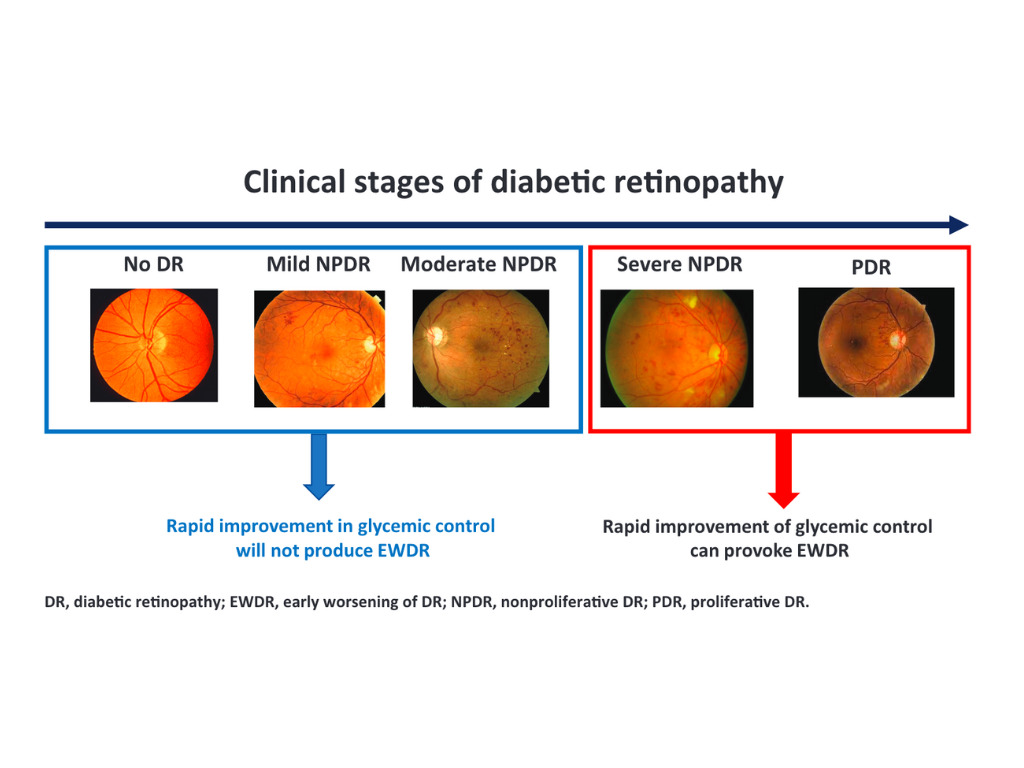
Bringing blood glucose closer to normal reduces the long-term risk of diabetic retinopathy12。
Even so, it has long been known that intensifying glycemic control with insulin or oral glucose-lowering drugs can temporarily worsen existing retinopathy.
Worsening of diabetic retinopathy at the start of strict diabetes treatment is called “early worsening.”
“Early” here means
that good glycemic control has been established,
not that the duration of diabetes is short.13。
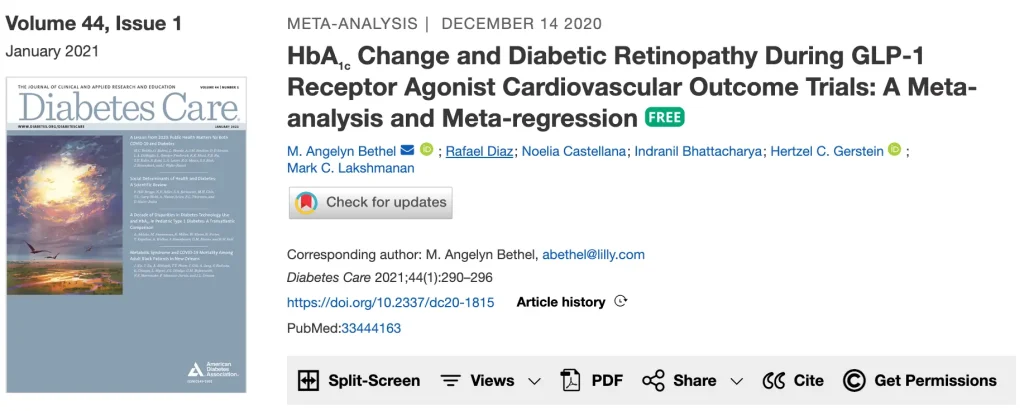
This study2showed that GLP-1 receptor agonists cannot be said to significantly increase the risk of retinopathy in patients with type 2 diabetes.
Previous studies have also shown that, although the state of retinopathy may temporarily worsen, it takes three to five years or more for intensive glycemic control to produce improvement.
On the other hand, it is known that when blood glucose is lowered rapidly, “early worsening,” in which existing retinopathy temporarily worsens, can occur, and it has been reported with GLP-1 receptor agonists as well (for example, in the SUSTAIN-6 trial). This short-term worsening is thought to be related to the speed of glucose lowering rather than being specific to any one drug.
Treatment of diabetes (including GLP-1 receptor agonists)
with strict glycemic control may temporarily worsen diabetic retinopathy.
In the long term, however, it ultimately leads to better outcomes.
View based on the latest meta-analysis1Together with this,
“Even if diabetic retinopathy temporarily worsens, treatment that lowers blood glucose is important in the long term”
is what we believe.
References
- Kapoor, I., Sarvepalli, S.M., D’Alessio, D., Grewal, D.S., Hadziahmetovic, M., 2023. GLP-1 receptor agonists and diabetic retinopathy: A meta-analysis of randomized clinical trials. Survey of Ophthalmology 68, 1071–1083. https://doi.org/10.1016/j.survophthal.2023.07.002
- Bethel, M.A., Diaz, R., Castellana, N., Bhattacharya, I., Gerstein, H.C., Lakshmanan, M.C., 2021. HbA1c Change and Diabetic Retinopathy During GLP-1 Receptor Agonist Cardiovascular Outcome Trials: A Meta-analysis and Meta-regression. Diabetes Care 44, 290–296. https://doi.org/10.2337/dc20-1815
- Gurevitch, J., Koricheva, J., Nakagawa, S., Stewart, G., 2018. Meta-analysis and the science of research synthesis. Nature 555, 175–182. https://doi.org/10.1038/nature25753
- Mehdi, S.F., Pusapati, S., Anwar, M.S., Lohana, D., Kumar, P., Nandula, S.A., Nawaz, F.K., Tracey, K., Yang, H., LeRoith, D., Brownstein, M.J., Roth, J., 2023. Glucagon-like peptide-1: a multi-faceted anti-inflammatory agent. Frontiers in Immunology 14.
- Cena, H., Chiovato, L., Nappi, R.E., 2020. Obesity, Polycystic Ovary Syndrome, and Infertility: A New Avenue for GLP-1 Receptor Agonists. The Journal of Clinical Endocrinology & Metabolism 105, e2695–e2709. https://doi.org/10.1210/clinem/dgaa285
- Marso, S.P., Daniels, G.H., Brown-Frandsen, K., Kristensen, P., Mann, J.F.E., Nauck, M.A., Nissen, S.E., Pocock, S., Poulter, N.R., Ravn, L.S., Steinberg, W.M., Stockner, M., Zinman, B., Bergenstal, R.M., Buse, J.B., 2016. Liraglutide and Cardiovascular Outcomes in Type 2 Diabetes. New England Journal of Medicine 375, 311–322. https://doi.org/10.1056/NEJMoa1603827
- Marso, S.P., Bain, S.C., Consoli, A., Eliaschewitz, F.G., Jódar, E., Leiter, L.A., Lingvay, I., Rosenstock, J., Seufert, J., Warren, M.L., Woo, V., Hansen, O., Holst, A.G., Pettersson, J., Vilsbøll, T., 2016. Semaglutide and Cardiovascular Outcomes in Patients with Type 2 Diabetes. New England Journal of Medicine 375, 1834–1844. https://doi.org/10.1056/NEJMoa1607141
- Holman, R.R., Bethel, M.A., Mentz, R.J., Thompson, V.P., Lokhnygina, Y., Buse, J.B., Chan, J.C., Choi, J., Gustavson, S.M., Iqbal, N., Maggioni, A.P., Marso, S.P., Öhman, P., Pagidipati, N.J., Poulter, N., Ramachandran, A., Zinman, B., Hernandez, A.F., 2017. Effects of Once-Weekly Exenatide on Cardiovascular Outcomes in Type 2 Diabetes. New England Journal of Medicine 377, 1228–1239. https://doi.org/10.1056/NEJMoa1612917
- Hernandez, A.F., Green, J.B., Janmohamed, S., et al., 2018. Albiglutide and cardiovascular outcomes in patients with type 2 diabetes and cardiovascular disease (Harmony Outcomes): a double-blind, randomised placebo-controlled trial. The Lancet 392, 1519–1529. https://doi.org/10.1016/S0140-6736(18)32261-X
- Gerstein, H.C., Colhoun, H.M., Dagenais, G.R., et al, 2019. Dulaglutide and cardiovascular outcomes in type 2 diabetes (REWIND): a double-blind, randomised placebo-controlled trial. The Lancet 394, 121–130. https://doi.org/10.1016/S0140-6736(19)31149-3
- Husain, M., Birkenfeld, A.L., Donsmark, M., Dungan, K., Eliaschewitz, F.G., Franco, D.R., Jeppesen, O.K., Lingvay, I., Mosenzon, O., Pedersen, S.D., Tack, C.J., Thomsen, M., Vilsbøll, T., Warren, M.L., Bain, S.C., 2019. Oral Semaglutide and Cardiovascular Outcomes in Patients with Type 2 Diabetes. New England Journal of Medicine 381, 841–851. https://doi.org/10.1056/NEJMoa1901118
- Intensive blood-glucose control with sulphonylureas or insulin compared with conventional treatment and risk of complications in patients with type 2 diabetes (UKPDS 33), 1998. . The Lancet 352, 837–853. https://doi.org/10.1016/S0140-6736(98)07019-6
- Simó, R., Franch-Nadal, J., Vlacho, B., Real, J., Amado, E., Flores, J., Mata-Cases, M., Ortega, E., Rigla, M., Vallés, J.-A., Hernández, C., Mauricio, D., 2023. Rapid Reduction of HbA1c and Early Worsening of Diabetic Retinopathy: A Real-world Population-Based Study in Subjects With Type 2 Diabetes. Diabetes Care 46, 1633–1639. https://doi.org/10.2337/dc22-2521