![Takeru Eye Clinic | Takatori Shopping Street, Sawara-ku, Fukuoka City [Nishijin Station / Fujisaki Station]](https://takeru-eye.com/wp-content/uploads/2022/10/takeru_logo_for-WP-header.png)
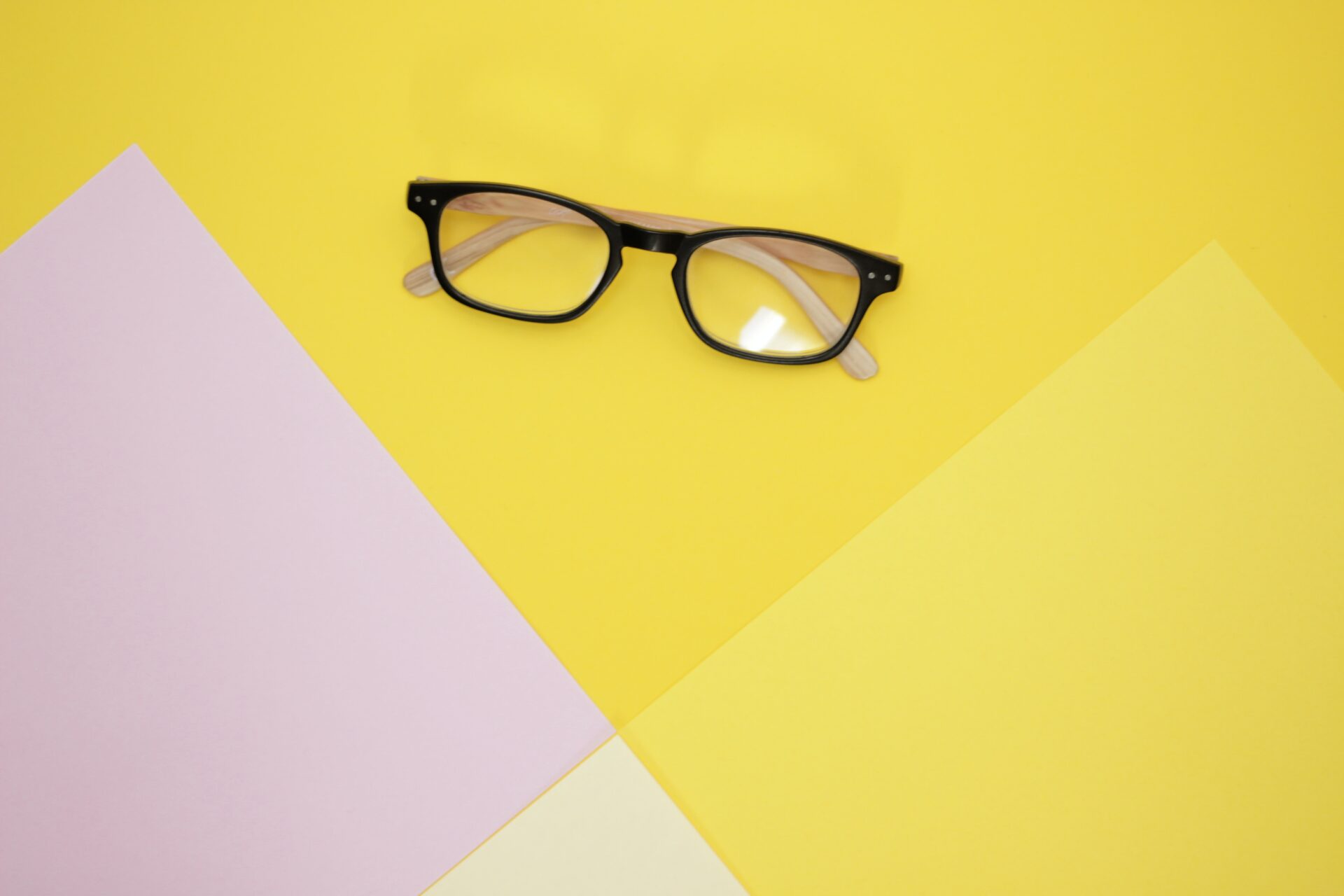
What level of vision calls for glasses?
There was no standard such as “once vision falls to 0.7 or below.”
Uncorrected vision and the results of school screening (A, B, C, D) alsovaryfrom day to day.
Some children cannot answer well when their uncorrected vision is tested.
Certified orthoptistscan find accurate corrected vision and refraction (the eye’s prescription) through their skill in vision testing.

We connect the numbers obtained to an appropriate glasses prescription.
Whether the child is happy because they can see well
is the criterion for deciding whether to wear glasses.
Here we introduce the position of the American Association for Pediatric Ophthalmology and Strabismus (AAPOS).
When Do Children Need Glasses? (Criteria)

It is important that the child feels, “I can see well.”
- When glasses are needed: the right time is when the child themselves is happy because they can “see well.”
- This assumes that a detailed examination has been carried out at an eye clinic.
(Quoted below, translated into Japanese)
When should a child be made to wear glasses?
This is a question most parents ask about small children.
The best answer is:
・Most toddlers who truly need glasses are known to see well when they wear them.
・So they wear glasses willingly, without trouble.
Some children resist wearing glasses at first, but parents need to stay positive.
If the child is not cooperative:
the doctor may prescribe eye drops to help the child get used to the glasses.
Whether a young child wears glasses can also depend on their mood at the time.
Once children are of school age, they think for themselves about whether they need glasses.
The parents’ opinions may also come into it.
While there are mild refractive errors (myopia, hyperopia, astigmatism) that do not require glasses,
there may also be cases where the child is having difficulty in the classroom.
Most children who are poor at reading do not need glasses.
Whether glasses are truly unnecessary can be determined accurately with a detailed eye examination at an eye clinic.
Note: this includes some free translation. For the exact meaning, please refer to the original text.
HOW WILL I EVER GET MY CHILD TO WEAR GLASSES?
That is a question most parents ask, especially when their child is an infant or toddler. The best answer is that most young children who really need glasses will wear their glasses without a problem (happily) because they realize that the glasses improve their vision. Initially, some children may show some resistance to wearing their glasses, but it is necessary for parents to demonstrate a positive attitude. If the child does not cooperate, the doctor may prescribe eye drops in an attempt to help the child adjust to the glasses. Toddlers may wear the glasses only when they are in a good mood and reject them (and everything else) when they are not. School-age children and their parents can provide input into the decision regarding the need for glasses. Some children may have small refractive errors that do not require glasses, while others may voice concern about difficulties in the classroom. Most children who have difficulty reading do not need glasses, but this can be determined during a complete eye exam.
Glasses for Children – American Association for Pediatric Ophthalmology and Strabismus
The difference between vision and the eye’s prescription (“refraction”): measuring the prescription accurately
At the eye clinic, vision tests are performed bycertified orthoptists.
After measuring uncorrected vision, a corrected vision test is performed using appropriate lenses.
When looking at near objects, children have a strong ability to adjust focus.
(This is the opposite of presbyopia, in which the ability to adjust focus declines.)

With the influence of accommodation, the result can come out as somewhat stronger myopia.
To see the current state of focusing,an accommodation analyzercan also be helpful.
If necessary, cycloplegic eye drops are used.
By carrying out the corrected vision test above,corrected visionandthe eye’s prescription (= “refraction”)are determined.
Uncorrected vision and refraction often show no correlation.
The vision and refraction data obtained remove the influence of uncorrected vision, which varies.
The accurately obtained figure:the eye’s prescription, “refraction,”is used as the standard for fitting glasses.
Wearing glasses with a weak prescription makes the eyes worse (= myopia progresses)
Results of comparing the progression of myopia with under-correcting and fully correcting glasses:
A summary of many papers (a meta-analysis) was published this year.
The following conclusion was reached.
Comparison of weak glasses (under-correction) and fully correcting glasses (full-correction) for children with myopia:
Children who wore fully correcting glasses tended to show somewhat slower myopia progression, but the difference was not statistically significant.
Yazdani, N., Sadeghi, R., Ehsaei, A., Taghipour, A., Hasanzadeh, S., Zarifmahmoudi, L., Heravian Shandiz, J., 2021. Under-correction or full correction of myopia? A meta-analysis. Journal of Optometry 14, 11–19. https://doi.org/10.1016/j.optom.2020.04.003
In theory fully correcting glasses are called for, but in practice we decide while talking with the child and family.